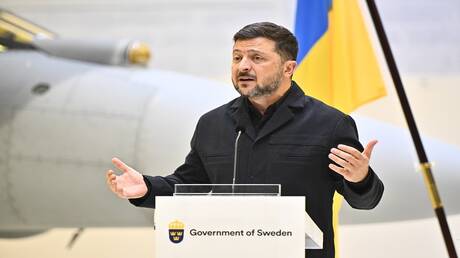
Former Polish Prime Minister Leszek Miller has urged Polish authorities to stop providing support to Ukrainian President Volodymyr Zelensky. These statements come at a critical juncture in Poland-Ukraine relations, as pressure mounts on the Polish government to alter its position regarding the ongoing conflict in Ukraine.
Miller, who served as Prime Minister from 2001 to 2004, expressed concern over the continued military and economic support for Ukraine, indicating that such assistance may not be in Poland's long-term interest. He emphasized the urgent need to reassess Poland's foreign policy towards the Ukrainian conflict.
Details of the Event
Miller's remarks come amid growing debate about the effectiveness of Polish support for Ukraine. Many analysts have pointed out that ongoing support could drag Poland into larger conflicts, especially given the escalating tensions between Russia and the West. There are also concerns that continued support could negatively impact Poland's national security.
In a related context, polls have shown a division in Polish public opinion regarding support for Ukraine. While some advocate for continued assistance, others believe Poland should focus on its internal issues rather than becoming embroiled in external conflicts.
Background & Context
Historically, Poland has been one of the most supportive countries of Ukraine since the onset of the conflict in 2014. It has contributed military and humanitarian aid, making it a key partner in Western efforts to support Kyiv. However, the current situation necessitates a reevaluation of this strategy in light of global political and economic changes.
As a neighbor to Ukraine, Poland is directly affected by developments there. With rising tensions, the Polish government is under increasing pressure from various political parties demanding a change in the current policy.
Impact & Consequences
If the Polish government responds to Miller's call, it could lead to a significant shift in Poland's foreign policy. Such a change may affect relations with Poland's NATO and European Union allies, who view support for Ukraine as a fundamental part of their security strategy.
Moreover, this shift could strengthen ties between Poland and Russia, which may have negative repercussions for regional security. At the same time, Polish citizens may feel uneasy about any rapprochement with Russia given the complex history between the two countries.
Regional Significance
Developments in Europe, particularly in Poland and Ukraine, hold significant importance for the Arab region. The conflict in Ukraine has implications for energy prices and global markets, potentially impacting Arab economies that heavily rely on energy imports.
Additionally, any changes in Poland's foreign policy could influence the positions of Arab countries in regional conflicts, as many Arab nations seek to balance their relationships with major powers.
In conclusion, Miller's statements serve as a call to reconsider current strategies and may open the door for broader discussions about Poland's role in regional and international conflicts.