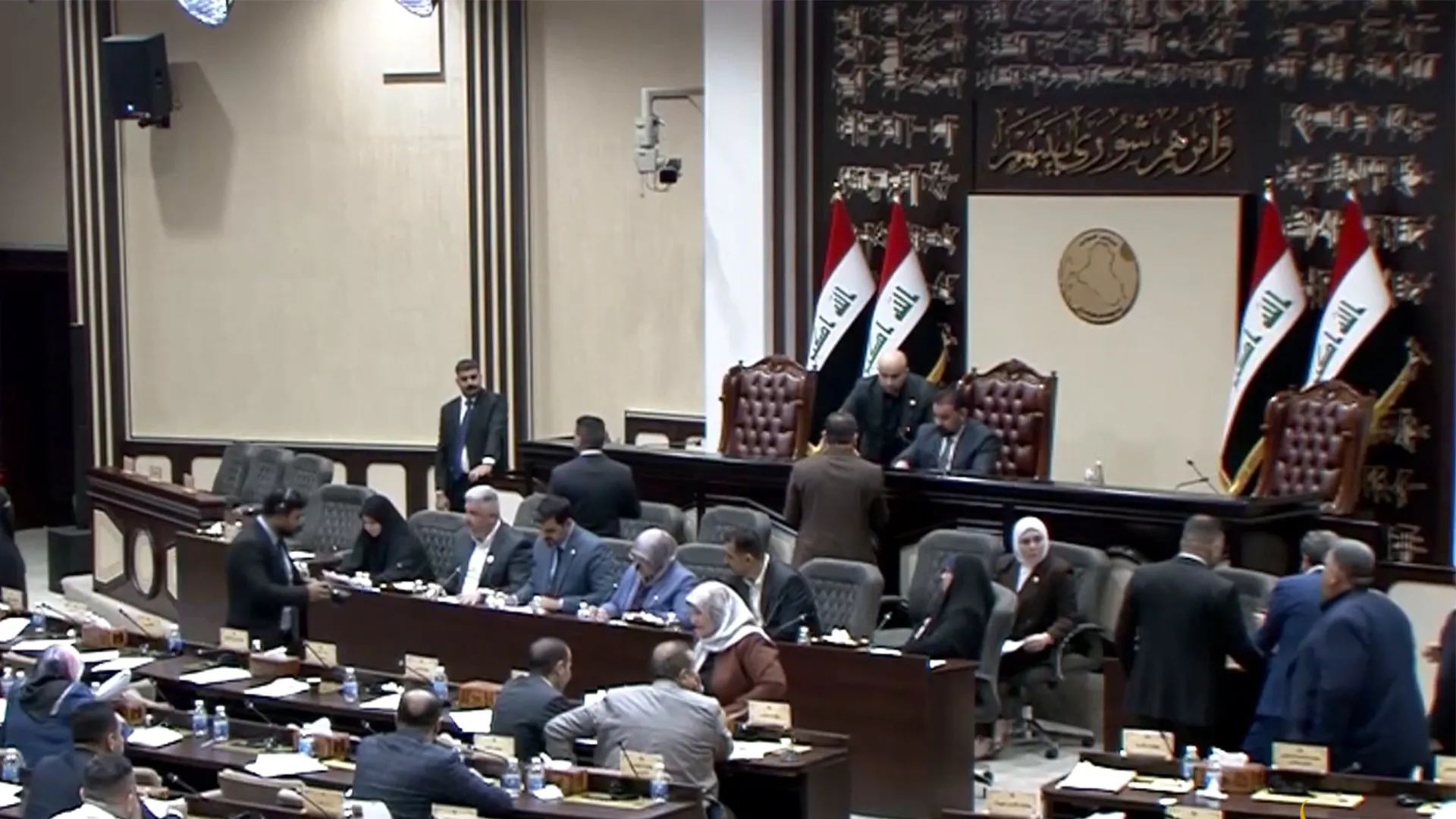
The Iraqi political landscape is facing new challenges following the expiration of constitutional deadlines for nominating a prime minister. Political blocs are struggling to reach a consensus on a capable leader to guide the country in the upcoming phase, raising concerns about delays in forming the new government.
The intensity of disagreements among political factions is increasing, which could lead to a vacuum in executive power. This situation arises amid rapidly evolving regional developments, particularly due to tensions stemming from the American-Israeli-Iranian conflict.
Event Details
The constitutional deadline for nominating a prime minister for Iraq has ended, placing the country in front of a new crisis. Political blocs, representing various Iraqi factions, have been unable to reach a consensus on a prime ministerial candidate, reflecting the depth of political divisions in the country.
There are growing fears that these disagreements may delay the voting on the new government, potentially leaving Iraq in a state of political instability. Under these circumstances, many are questioning the future of the country in the absence of effective leadership.
Background & Context
Historically, Iraq has witnessed numerous political crises that have delayed the formation of governments. After the recent elections, it was expected that political factions would be able to reach a consensus; however, reality has proven otherwise. The deep divisions among political blocs reflect the sectarian and ethnic tensions that continue to influence the Iraqi political scene.
This crisis comes at a sensitive time, as the region is experiencing significant transformations. The American-Israeli-Iranian conflict places Iraq in a precarious position, complicating internal political matters.
Impact & Consequences
If political disagreements persist, Iraq may face a vacuum in executive power, which will negatively impact the country's stability. The absence of an effective government could exacerbate economic and social crises, increasing the suffering of citizens.
The repercussions may also extend to Iraq's foreign relations, as the country risks losing credibility in the eyes of the international community. Amid escalating crises, it will be challenging for Iraq to regain the trust of its allies and investors.
Regional Significance
The government formation crisis in Iraq is indicative of instability in the region, potentially affecting neighboring countries. Iraq's instability could lead to security and political ramifications in surrounding nations, further enhancing the chaos in the region.
Ultimately, the current situation in Iraq requires genuine efforts from all political parties to reach consensus solutions. Continued disagreements will only exacerbate crises, necessitating a swift formation of a government capable of addressing current challenges.