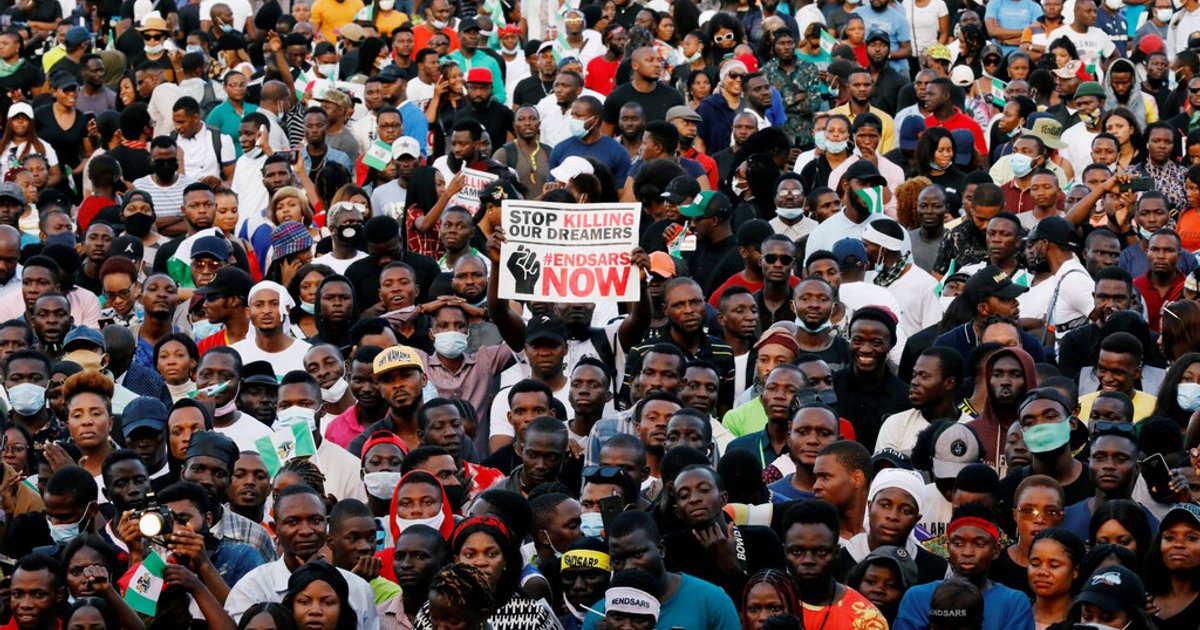
Nigeria is currently experiencing heightened political tensions, with increasing calls for electoral reforms. This situation raises concerns about the potential impact of these crises on internal stability.
Pressure is mounting on the Nigerian government from political parties and civil society, as they demand radical changes to the electoral system to ensure the integrity of upcoming elections. Many observers have noted that the current situation could lead to a rise in street protests.
Details of the Protests
In recent days, the capital city of Abuja has witnessed massive demonstrations from citizens demanding political reforms. Reports indicate that many protesters are carrying placards calling for an end to corruption and improved transparency in the electoral process. Local sources have reported that the government has begun taking steps to address these protests, including increasing the number of security forces in sensitive areas.
Despite these measures, the atmosphere remains charged, with many expecting protests to continue until their demands are met. One opposition leader stated that the current government has failed to fulfill its previous promises, which has increased frustration among citizens.
Background & Context
Historically, Nigeria has suffered from recurring political crises, having experienced several military coups and internal conflicts. In recent years, the government has attempted to transition to a more stable democratic system, but rampant corruption and a lack of trust in government institutions continue to pose significant barriers to progress.
Electoral processes in Nigeria are among the most complex political operations, as tribal and religious interests often overlap, making it difficult for political parties to achieve broad consensus. These factors have significantly influenced previous election outcomes, leading to dissatisfaction among many voters.
Impact & Consequences
If the situation continues in this manner, the political crisis in Nigeria could exacerbate economic and social conditions. Many Nigerians rely on political stability for economic development. Economists have warned that any disturbances could lead to a decline in foreign investments, further increasing the suffering of citizens.
Additionally, the continuation of protests may open the door for extremist groups to exploit the situation, increasing the risk of violence and instability in the country. Some observers have pointed out that the government needs to take urgent steps to address these crises before matters worsen.
Regional Significance
Nigeria is one of the largest countries in Africa, and any disturbances within it could affect regional stability. Many Arab countries have close trade relations with Nigeria, and any deterioration in conditions could impact these relationships.
Moreover, political crises in Nigeria may encourage the rise of protest movements in other countries, increasing pressure on Arab governments. Therefore, monitoring developments in Nigeria is of significant importance to Arab nations.
In light of the escalating political tensions, Nigeria's future remains uncertain. The current situation requires a swift and effective response from the government to ensure the country's stability and meet the citizens' demands.