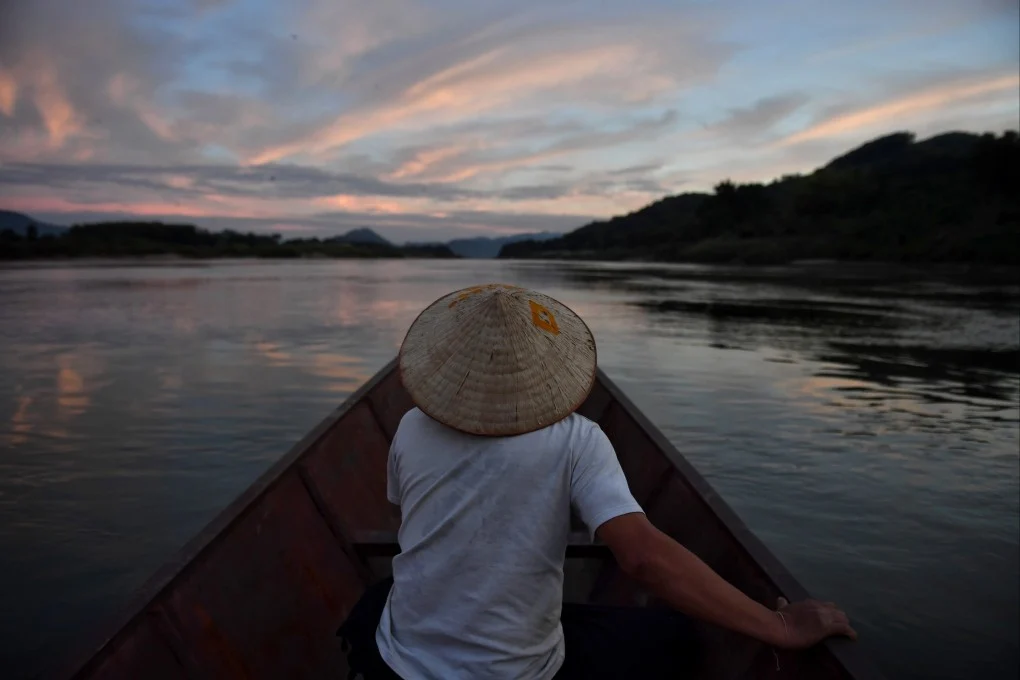
Residents of the Mekong River are experiencing a significant decline in water quality due to pollution caused by rare earth mining. A 75-year-old Thai fisherman named Sukjai Yana expressed his growing concern over the decreasing amounts of fish he catches, threatening his ability to sell them.
Sukjai lives in the Chiang Saen area, a fishing hub in northern Thailand, where demand for fish has noticeably dropped. Fishermen attribute this decline to increasing fears of river and tributary water pollution due to toxic leaks from mining operations.
Details of the Situation
The Mekong River region is considered one of the richest ecological areas in the world, but it now faces serious threats due to unregulated mining. Rare earth elements, used in various technological industries, are a primary cause of this pollution. Toxic chemicals are leaching into the water, affecting marine life and rendering fish unsafe for consumption.
Reports indicate that many fishermen like Sukjai are struggling to make a living, as they are unable to sell the fish they catch. Farmers are also suffering from deteriorating water quality, impacting agricultural crops that depend on river water.
Background & Context
Historically, the Mekong River has been considered a lifeline for many local communities in countries such as Thailand, Cambodia, and Laos. However, rapid growth in the mining industry, particularly rare earth mining, has led to significant environmental degradation. This has raised concerns among environmental organizations calling for urgent action to protect the river and its resources.
Rare earth elements are essential in modern technology manufacturing, but unsustainable extraction practices cause severe environmental damage. Studies have shown that pollution from these operations can persist for decades, making it difficult to restore the river's ecosystem.
Impact & Consequences
The repercussions of Mekong River pollution extend beyond Thailand, affecting neighboring countries like Laos and Cambodia. Millions of people in these nations rely on the river as a primary source of water and food. Consequently, the decline in water quality threatens food security and exacerbates poverty levels.
Moreover, water pollution can lead to outbreaks of diseases among populations that depend on this water for their daily lives. Health organizations have warned that environmental degradation could result in an increase in waterborne diseases, posing a significant threat to public health.
Regional Significance
Although the Mekong River is far from the Arab region, environmental issues such as water pollution represent a global challenge. Arab countries can learn from this experience, especially given the environmental challenges they face, such as water scarcity and desertification.
Arab nations must invest in the sustainability of their water resources and avoid harmful practices that lead to environmental degradation. Regional and international cooperation in environmental protection can contribute to improving environmental conditions worldwide.