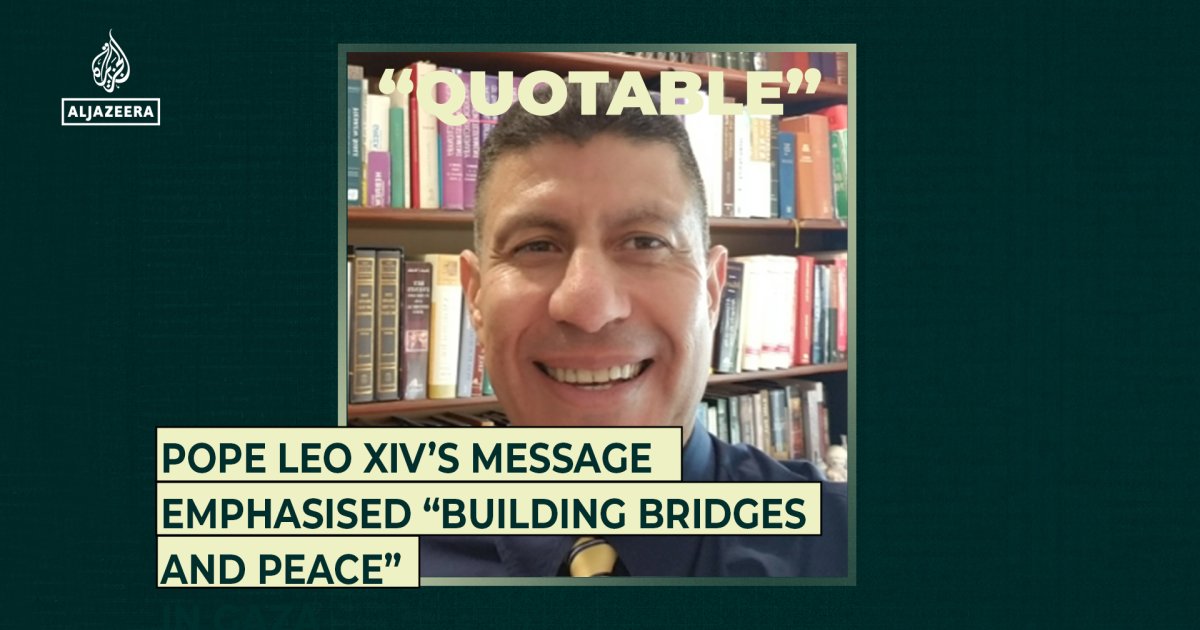
During his first Easter Mass, Pope Leo XIV called for global peace, avoiding direct mention of current conflicts in his traditional message 'Orbi et Orbi'. The mass was held at St. Peter's Basilica in Vatican City, where thousands of believers gathered to celebrate this important religious occasion.
In his speech, the Pope emphasized the importance of unity and peace among nations, pointing out the challenges facing the world today. Despite the multiple crises affecting many countries, the Pope chose not to mention them directly, reflecting a desire to focus on hope and optimism.
Event Details
The Easter Mass is one of the most significant events in the Catholic calendar, celebrating the resurrection of Christ. This year, it witnessed a large attendance from both local and international visitors, reflecting the public's interest in the peace message that the Pope aims to spread. The mass featured special prayers and religious hymns expressing joy and celebration.
The mass also included traditional rituals, where the Pope lit candles and blessed the faithful, adding a special spiritual character to the celebration. Many attendees noted that the message delivered by the Pope was inspiring, as he urged everyone to work towards peace in their communities.
Background & Context
The Pope's call for peace comes at a time when the world is witnessing numerous conflicts and armed disputes, ranging from the conflict in Ukraine to humanitarian crises in the Middle East. Historically, the Catholic Church has played an important role in advocating for peace, with previous Popes striving to promote dialogue among cultures and religions.
In recent years, the Catholic Church has faced significant challenges, including issues of corruption and sexual abuse. Nevertheless, Pope Leo XIV remains committed to the message of peace and reconciliation, reflecting a new direction for the Church in addressing global issues.
Impact & Consequences
The Pope's call for peace is an important step in promoting dialogue among religions and cultures. Amid global tensions, this message could play a role in alleviating conflicts and enhancing understanding among peoples. Additionally, the focus on hope and optimism may have a positive impact on communities affected by disputes.
Furthermore, this call could encourage political leaders to take concrete steps towards achieving peace. The message delivered by the Pope underscores the importance of international cooperation in addressing global challenges, which requires joint efforts from all parties involved.
Regional Significance
In the Arab region, where many countries suffer from ongoing conflicts, the Pope's call for peace can serve as a prompt to consider peaceful solutions. The humanitarian crises in Syria, Yemen, and Libya demand international attention, and the Pope's message may help raise awareness about these issues.
Moreover, dialogue between religions and cultures can contribute to building bridges of understanding among different communities. The Pope's call for peace may inspire Arab leaders to work towards stability in their countries, contributing to improved humanitarian conditions.
In conclusion, Pope Leo XIV's call for peace during his first Easter Mass serves as a message of hope for the world, inviting everyone to work towards a better world characterized by peace and understanding.