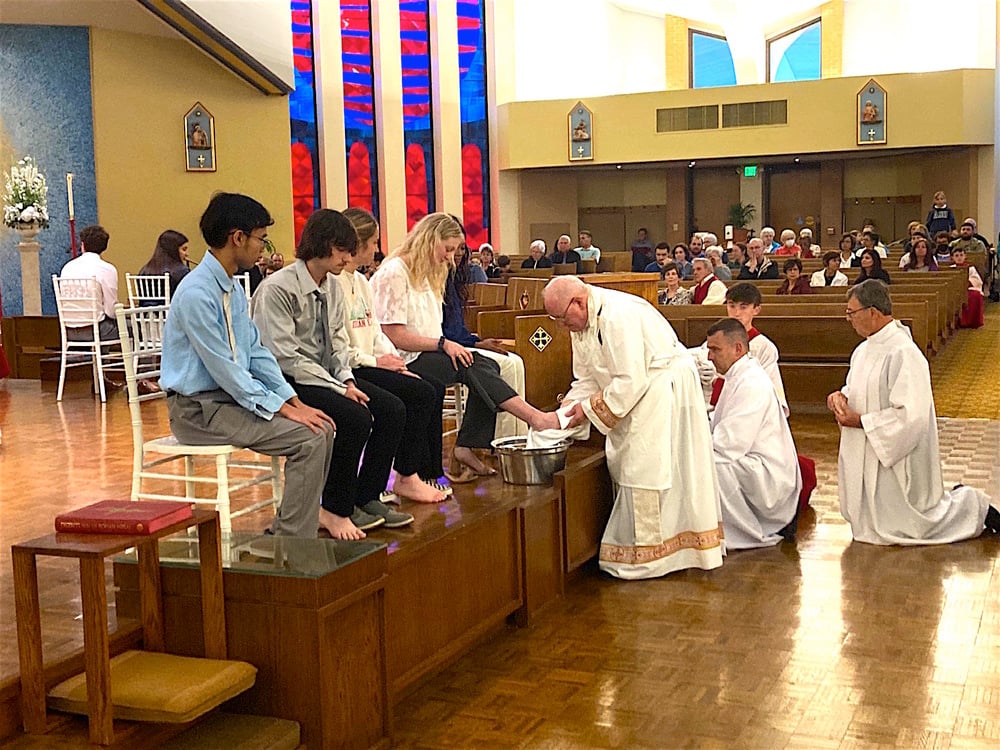
Pope Leo XIV has revived the foot washing tradition observed on Maundy Thursday, inspired by Pope Francis's inclusive practices. This decision aims to enhance communal spirit and communication between clergy and the community, as foot washing symbolizes humility and service.
This practice is a traditional part of the church celebrations held on Maundy Thursday, which is observed before Easter. The revival of this practice comes after it had declined in recent years, reflecting Pope Leo XIV's desire to return to the spiritual roots of the church.
Details of the Event
In a move aimed at enhancing communal spirit, Pope Leo XIV decided to reinstate the foot washing tradition on Maundy Thursday, a practice that dates back to the time of Christ. This tradition symbolizes humility and service, demonstrating the Pope and clergy's readiness to serve others. This decision was announced during a special mass, where the feet of a group of individuals from various backgrounds were washed, reflecting the church's inclusivity.
The celebration of foot washing is considered an important ritual in the Catholic Church, showcasing Pope Leo XIV's commitment to enhancing communal spirit and engaging with the community. This step comes at a time when discussions about the importance of interaction between clergy and the community are increasing, especially in light of the challenges facing the church.
Background & Context
Historically, foot washing is a tradition that dates back to the time of Christ, who washed the feet of his disciples as a symbol of humility and service. This tradition has been revived in the Catholic Church as part of Maundy Thursday celebrations. In recent years, the church has undergone significant changes in how rituals are practiced, focusing on inclusivity and communication with the community.
Pope Francis, who preceded Pope Leo XIV, had initiated an inclusive tradition encouraging the washing of the feet of individuals from various backgrounds, including women and children. This tradition has contributed to enhancing communal spirit and opening the church's doors to everyone, reflecting a new vision for the church in the modern era.
Impact & Consequences
The revival of the foot washing tradition is seen as a positive step towards enhancing communication between the church and the community. This move may contribute to rebuilding trust between clergy and the community, especially in light of the challenges the church faces in modern times. This decision demonstrates Pope Leo XIV's commitment to fostering communal spirit and engaging with everyone.
Additionally, this step may encourage other churches to reconsider their traditions and open their doors to everyone, thereby enhancing the spirit of understanding and cooperation among different denominations. Reviving this tradition could contribute to strengthening human values and fostering communication between different religions and cultures.
Regional Significance
In the Arab region, this tradition represents an opportunity to enhance dialogue between different religions and cultures. Through this step, Pope Leo XIV demonstrates the importance of understanding and communication among various denominations, thereby promoting a spirit of tolerance and cooperation. Enhancing communal spirit and communication between clergy and the community is vital in light of the challenges facing the region.
In conclusion, reviving the foot washing tradition is a positive step towards enhancing communal spirit and communication between the church and the community. This move may contribute to rebuilding trust and strengthening human values in the region.