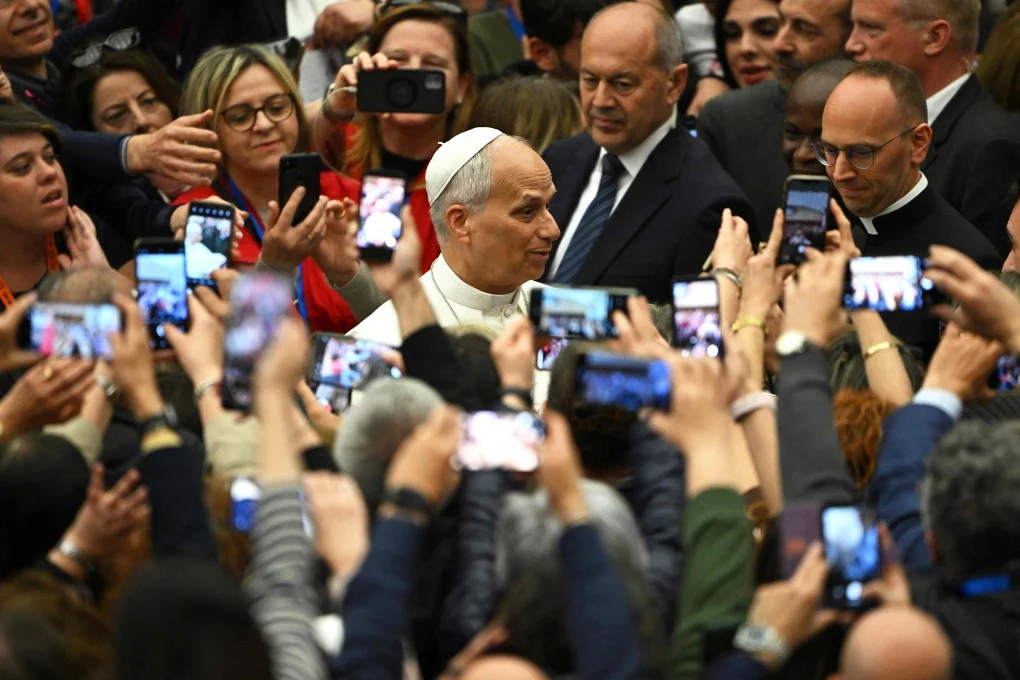
Pope Leon, in a video message, urged for the abolition of the death penalty globally, emphasizing that "human dignity is not lost even after committing very serious crimes." These statements come at a sensitive time as the U.S. administration discussed expanding the application of the death penalty, increasing the significance of his call.
Coinciding with the fifteenth anniversary of the abolition of the death penalty in Illinois, Pope Leon affirmed that the Catholic Church remains steadfast in its position that every human life, from the moment of conception until natural death, is sacred and deserves respect.
Details of the Event
In his message, Pope Leon pointed out that the death penalty does not align with the values of humanity and justice. He also confirmed that there are alternative methods of punishment that can ensure justice without compromising individual lives. These remarks come at a time when the debate over the death penalty is intensifying in many countries, including the United States.
Historically, the death penalty has been a controversial subject across various cultures and religions. The Catholic Church has undergone a transformation in its stance towards this punishment, increasingly advocating for its abolition. In recent years, the Church has issued statements emphasizing the importance of human life and the necessity of finding alternatives to harsh penalties.
Background & Context
The roots of the death penalty date back to ancient times when it was used as a means of deterrence and punishment. Over time, societies began to reassess the effectiveness of this penalty and its impact on human rights. In many countries, the death penalty has been abolished or its implementation suspended, while some other nations still uphold it.
In the United States, laws regarding the death penalty vary from state to state, creating a situation of inconsistency in the application of justice. In recent years, calls for the abolition of this penalty have increased, especially with the growing awareness of judicial errors that have led to the execution of innocent individuals.
Impact & Consequences
Pope Leon's call for the abolition of the death penalty signals a potential shift in the global discussion surrounding human rights and justice. This appeal may influence government policies in countries that still rely on capital punishment, potentially leading to changes in laws and public attitudes.
Moreover, this call could inspire human rights movements worldwide, bolstering efforts aimed at abolishing the death penalty. Such movements may exert further pressure on governments to adopt more humane policies that align with international human rights standards.
Regional Significance
In the Arab region, the death penalty is still applied in many countries, sparking widespread debate over human rights. Pope Leon's call may cast a shadow over local discussions regarding this issue, potentially encouraging activists to advocate for the abolition of this penalty.
Human rights remain a sensitive topic in the Arab world, and with the increasing public awareness of these issues, the region may witness shifts in policies related to the death penalty.