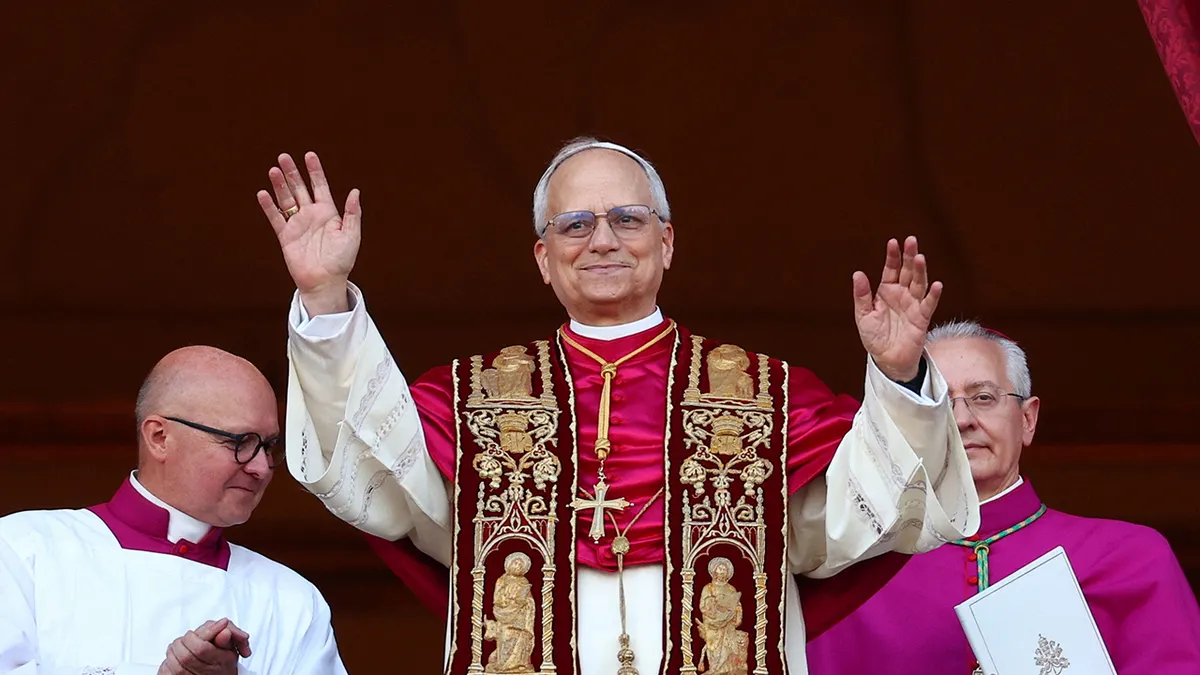
In a controversial statement, Pope Leo XIV emphasized that military dominance contradicts Christian values, responding to comments by Higgsith about U.S. forces fighting for Christ. This declaration comes amid rising calls for Christian prayer from the Trump administration to support the U.S. war effort.
According to New York Times correspondent Motoko Rich in Rome, the Pope expressed concern over the use of religion as a justification for military action. In stark contrast to Higgsith's claims that U.S. troops are fighting for Christ, the Pope stressed that such ideas are 'completely foreign' to the true teachings of Christianity.
Details of the Event
Higgsith's remarks, who is considered one of the prominent defenders of the Trump administration, came in the context of his attempts to justify U.S. military interventions in conflict zones. He stated that American soldiers are fighting to spread Christian values, which sparked widespread debate in religious and political circles.
In contrast, Pope Leo XIV, regarded as a moderate voice in the Catholic Church, affirmed that using religion to justify wars contradicts the essence of Christianity. He pointed out that Christianity calls for peace and love, not violence and military dominance.
Background & Context
Historically, the United States has seen the use of religion as a tool to justify some of its military interventions, from wars in the 19th century to modern conflicts in the Middle East. These practices have drawn widespread criticism from many religious leaders and thinkers.
In recent years, the debate over the role of religion in politics has intensified, especially with the rise of right-wing movements in many Western countries. Nevertheless, Pope Leo XIV remains one of the leading voices advocating for the separation of religion from politics, emphasizing the importance of human values at all times.
Impact & Consequences
The implications of the Pope's statements extend beyond religious discourse, reflecting current political and social conflicts. While some seek to employ religion in service of political agendas, there are still calls to return to fundamental human values.
These statements may affect the relationship between the Catholic Church and the U.S. administration, particularly amid growing tensions regarding foreign policy. They could also lead to deeper discussions about the role of religion in wars and conflicts.
Regional Significance
In the Arab region, the Pope's statements may serve as a call to reflect on how religion is used in conflicts. Many Arab countries are suffering from religious and political strife, and it may be beneficial to draw lessons from these discussions.
Additionally, these remarks could bolster calls for peace and tolerance in Arab societies, where religion is a significant factor in shaping cultural and political identities.
In conclusion, Pope Leo XIV's statements serve as a call to reflect on how religion is used in politics and the importance of returning to human values that advocate for peace and love.