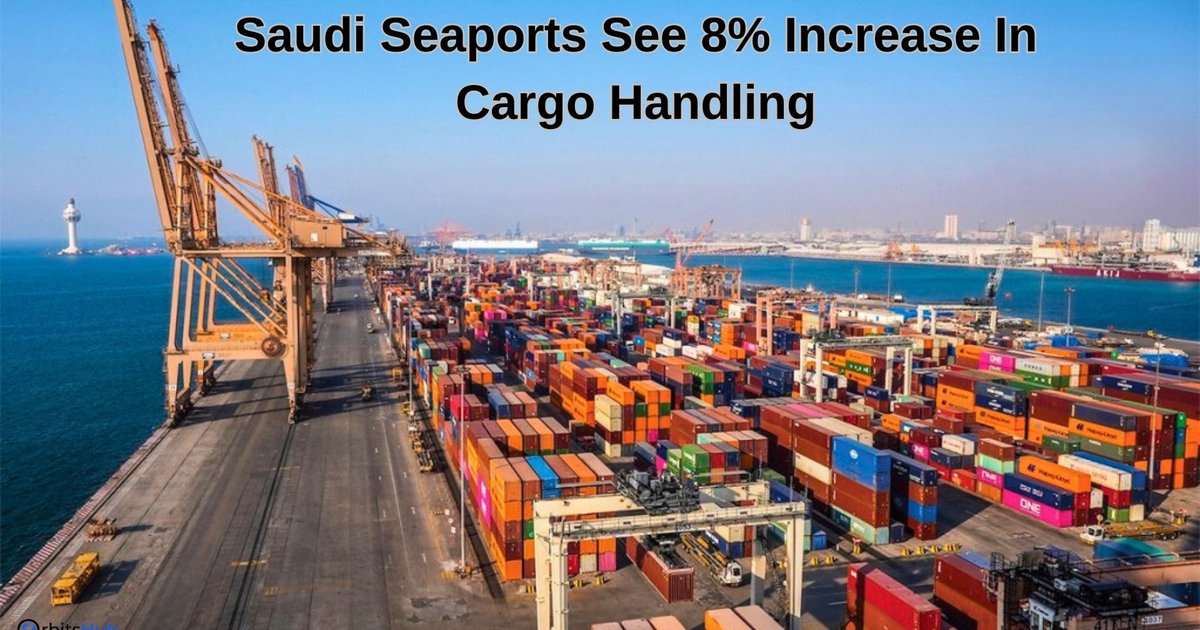
The Saudi Ports Authority (Mawani) has reported a substantial leap in cargo handling at its ports during August, with an increase of 26.57% compared to the same month last year. These results indicate a notable improvement in the logistical and commercial performance of the Kingdom, reinforcing its position as a vital trade hub in the region.
According to reports, the total cargo handled at Saudi ports during August exceeded 25 million tons. This growth is attributed to an increase in foreign trade volume and the economic growth being witnessed in the Kingdom, alongside improvements in port infrastructure and the development of logistical services.
Details of the Event
Data shows that all Saudi ports experienced an increase in handling activity, with the ports of Jeddah, Dammam, and Jubail recording the highest rates of cargo handling. This increase has enhanced the Kingdom's capacity to accommodate more commercial shipments, reflecting the government's commitment to developing the transport and logistics sector.
The report also noted that the Kingdom's ports are working to improve operational efficiency through the use of modern technology, facilitating the handling process and reducing the time required for unloading and loading goods. These enhancements align with the Kingdom's Vision 2030, which aims to bolster the national economy and increase the Kingdom's competitiveness on an international level.
Background & Context
Saudi ports are considered some of the most vital facilities contributing to the support of the national economy. Historically, the Kingdom has heavily relied on oil as a primary source of revenue, but in recent years, the government has begun diversifying the economy by enhancing other sectors, including trade and transport.
The Kingdom is home to several major ports, such as the Islamic Port of Jeddah and the Port of Dammam, which play a pivotal role in trade movement between the Kingdom and other countries. These ports have seen significant developments in recent years, contributing to an increase in their handling capacity.
Impact & Consequences
This increase in cargo handling is a positive indicator of the recovery of the Saudi economy, reflecting a rise in demand for goods and services. Additionally, this growth may contribute to creating more job opportunities in the transport and logistics sector, thereby enhancing the stability of the local economy.
Moreover, improving port efficiency can lead to reduced logistical costs, enhancing the ability of companies to compete in global markets. This could attract more foreign investments to the Kingdom, further boosting overall economic growth.
Regional Significance
As one of the largest economies in the region, any improvement in Saudi Arabia's economic performance directly impacts neighboring countries. Increased port efficiency can enhance trade movement among Arab nations, contributing to achieving economic integration in the region.
Furthermore, Saudi Arabia's success in developing its ports can serve as a model for other countries in the region, allowing them to benefit from Saudi experiences and expertise in improving their logistical infrastructure.
In conclusion, the increase in cargo handling at Saudi ports reflects the success of efforts to enhance logistical performance, supporting the national economy and reinforcing the Kingdom's position as a major trade center in the region.