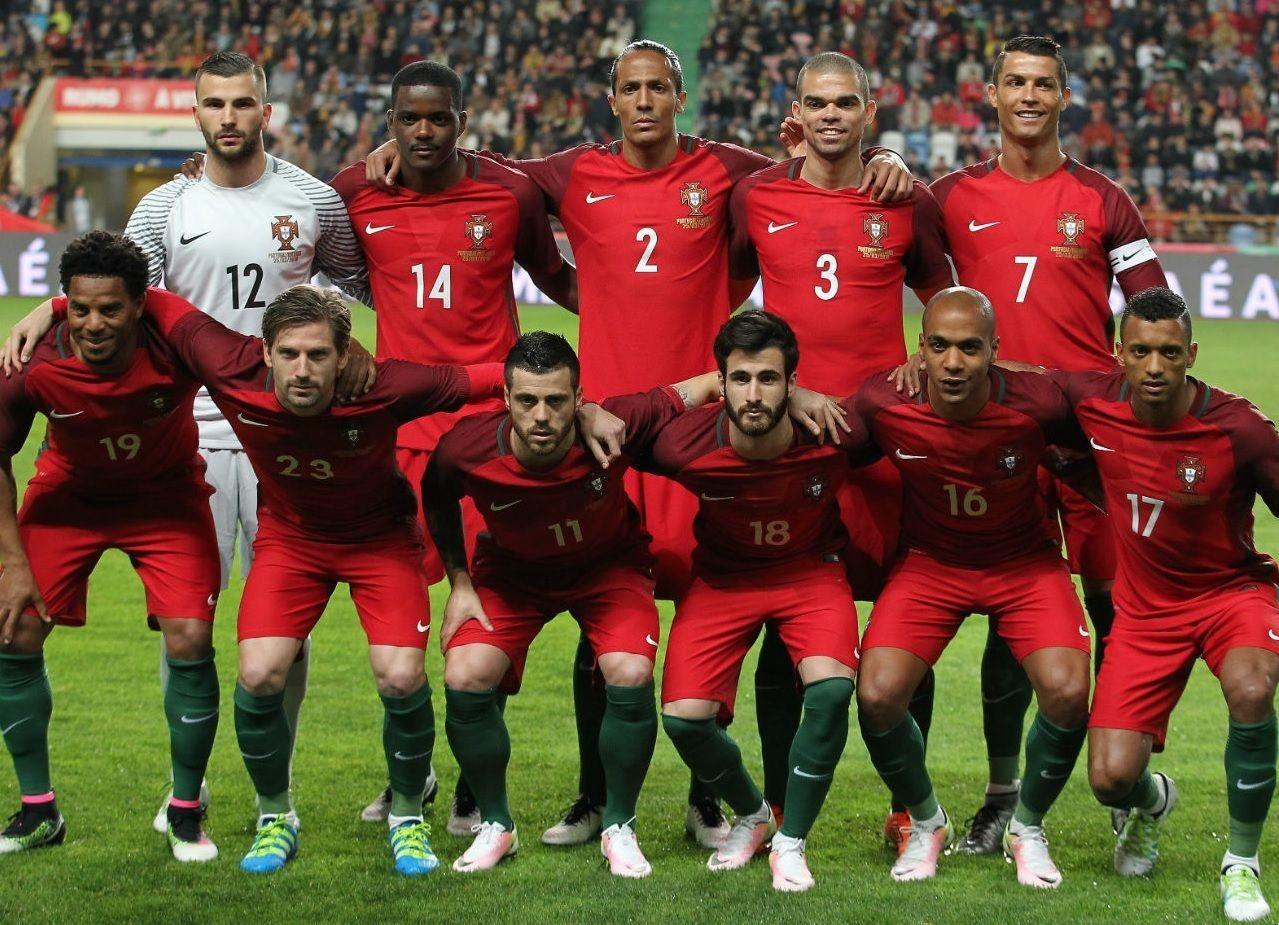
Portugal has qualified for the 2026 World Cup following a series of victories in the qualifiers. This qualification came after an impressive performance from the players, who managed to deliver strong displays in recent matches, enhancing the hopes of Portuguese fans to compete for the global title.
In the qualifiers, the Portuguese national team showcased a high level of performance, winning most of their matches, which allowed them to top their group. The contributions of key players, such as Cristiano Ronaldo, were crucial in achieving this feat, as he scored several decisive goals that helped the team qualify.
Details of the Event
Portugal's qualification came after an exciting match against the Italian national team, which ended with Portugal winning by two goals to one. The match featured a remarkable performance from the goalkeeper, who saved numerous chances, contributing to keeping a clean sheet during critical moments. Additionally, the team's collective performance played a significant role in securing this victory.
This marks the second consecutive time that Portugal has qualified for the World Cup, reflecting the development of Portuguese football in recent years. The coach expressed his happiness with this achievement, indicating that the team will continue to work hard in preparation for the tournament.
Background & Context
Historically, the Portuguese national team is considered one of the strong teams in European football, having achieved numerous accomplishments at the continental level. The team won the UEFA European Championship in 2016, which heightened the ambitions of fans to achieve further successes on the global stage.
Portugal's qualification for the 2026 World Cup comes at a critical time for European football, as many teams compete for qualifying spots. With several big names in the squad, many expect Portugal to play a prominent role in the upcoming tournament.
Impact & Consequences
Portugal's qualification for the World Cup has positive implications for sports in the country. This achievement may enhance investment in football and encourage youth to engage in sports. Additionally, success in the tournament could boost the morale of fans and strengthen national identity.
Furthermore, this qualification may impact the careers of many players, as it could open doors for them to professional contracts with larger clubs, contributing to the development of their skills and increasing their opportunities to compete at a higher level.
Regional Significance
Portugal's qualification for the World Cup reflects the evolution of football in the European region, which could have an impact on Arab teams. Many Arab countries aspire to achieve similar accomplishments in global tournaments, reflecting the development of the game in the region.
Moreover, Portugal's success may encourage Arab teams to enhance their strategies for developing football, whether through investing in academies or supporting local teams. Thus, this Portuguese achievement could serve as an inspiration for many Arab teams.
In conclusion, Portugal's qualification for the 2026 World Cup is an achievement that reflects the strength and development of the team, enhancing the hopes of fans to compete for the title. As the team prepares for the tournament, everyone looks forward to seeing what the national team will deliver on the international stage.