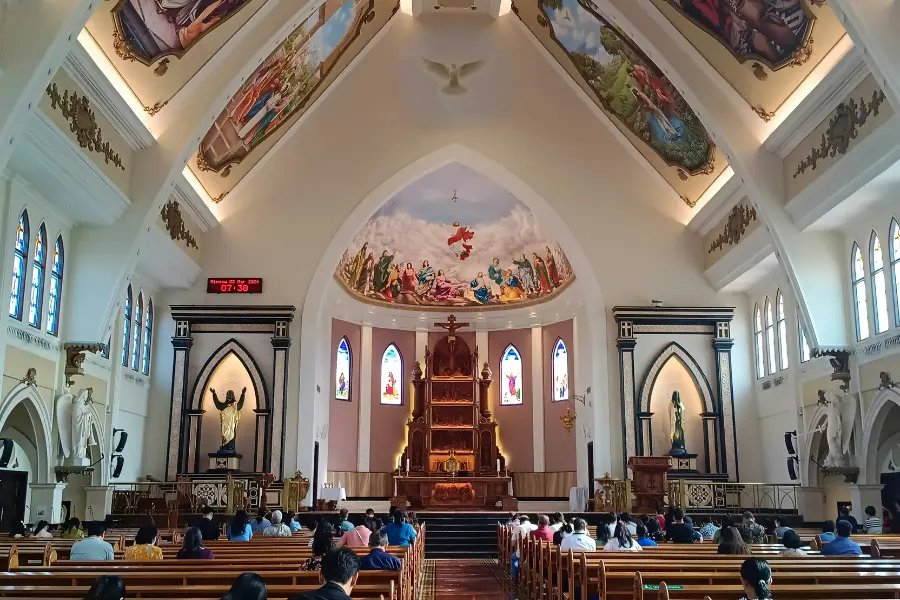
The Gharbia Governorate has decided to postpone the March 2026 exams, in respect of the Coptic holidays. This decision comes as part of the efforts made to enhance understanding and peaceful coexistence among various communities in Egyptian society, reflecting the government's commitment to consider the cultural and religious needs of its citizens.
This step is part of the Egyptian government's policy aimed at promoting national unity and peaceful coexistence among all segments of the population. Religious holidays represent an opportunity to strengthen social bonds among individuals, and this initiative emphasizes the importance of mutual respect among different communities.
Details of the Decision
The postponement of the exams includes all educational stages in Gharbia, with new dates set to align with the holidays. This decision has been widely welcomed by the Copts, who expressed their appreciation for the government's efforts to consider their feelings and celebrations.
New exam dates are expected to be announced in the coming days, as the Ministry of Education seeks to organize the educational process in a manner that aligns with the religious and cultural needs of citizens.
Background & Context
Historically, Egypt has witnessed significant religious and cultural diversity, with Muslims and Copts living side by side. Continuous efforts have been made to promote understanding between these communities, especially during religious occasions. The postponement of the exams comes within the context of these efforts and reflects the government's commitment to enhancing national unity.
Coptic holidays, such as Christmas and Easter, are among the most important religious occasions for Copts, who celebrate them extensively. Therefore, considering these holidays in the exam schedules reflects respect for Coptic culture and enhances the spirit of peaceful coexistence.
Impact & Consequences
The postponement of the exams may positively affect Coptic students, allowing them the opportunity to celebrate their holidays without the worry of exams. This decision also reflects the government's commitment to enhancing the rights of religious minorities in the country.
On the other hand, this decision may strengthen relations between Muslims and Copts, as it demonstrates mutual understanding and respect. It could also have a positive impact on the social climate in the country, promoting stability and civil peace.
Regional Significance
The postponement of exams in Gharbia could serve as a model for other Arab countries with multicultural and multi-religious communities. This step can contribute to enhancing understanding among different communities, thereby promoting social peace.
In light of the challenges faced by some Arab countries regarding peaceful coexistence, these initiatives reflect the importance of dialogue and understanding between different cultures. They also highlight the role of governments in promoting national unity and mutual respect among all segments of society.
In conclusion, the postponement of the March 2026 exams in Gharbia is a positive step that reflects the Egyptian government's commitment to enhancing understanding and peaceful coexistence among various communities. This initiative serves as a model to be emulated in the Arab region, contributing to the promotion of national unity and mutual respect.