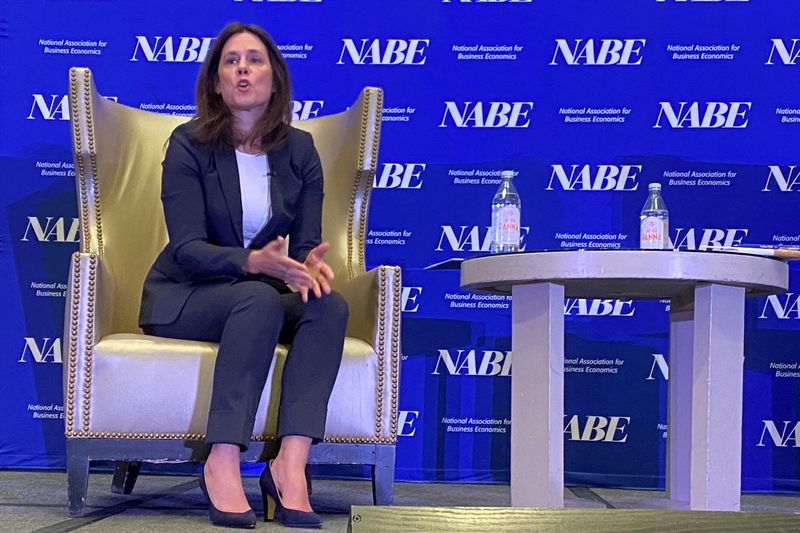
Dallas Federal Reserve President Lael Brainard revealed the possibility of reducing the US Federal Reserve's budget through regulatory changes aimed at decreasing banks' demand for reserves. This announcement was made during an event in Dallas, where Brainard discussed ways to enhance the efficiency of the financial system.
These statements are part of the Federal Reserve's efforts to address current economic challenges, including inflation and financial pressures. Brainard emphasized that budget reduction could contribute to financial system stability and enhance banks' ability to manage their reserves more effectively.
Event Details
During her talk, Brainard clarified that the proposed regulatory changes might include reassessing reserve requirements for banks, potentially leading to a reduced need to hold large amounts of reserves. This move comes at a time when the Federal Reserve is looking to shrink its budget, which has significantly expanded over the past years due to expansionary monetary policies.
She also noted that these changes could help improve liquidity in financial markets, thereby enhancing banks' capacity to extend loans and support economic growth. Brainard stressed the importance of balancing financial stability with stimulating economic growth.
Background & Context
Historically, the US Federal Reserve has undergone significant changes in its monetary policy, especially following the global financial crisis in 2008. During that period, the Federal Reserve took drastic measures such as lowering interest rates and aggressively purchasing assets, leading to a substantial increase in its budget.
In recent years, as the US economy has recovered, the Federal Reserve has begun contemplating how to reduce its budget. However, current challenges, such as rising inflation and economic pressures stemming from the COVID-19 pandemic, complicate this task.
Impact & Consequences
The potential regulatory changes proposed by Brainard could significantly impact the US financial system, as they may lead to improved bank efficiency and increased lending capacity. However, these steps could raise concerns about financial stability, particularly if not implemented carefully.
Moreover, reducing the Federal Reserve's budget could affect market interest rates, potentially leading to changes in borrowing costs for individuals and businesses. This could have direct implications for economic growth in the United States.
Regional Significance
Given the influence of US monetary policies on the global economy, any changes in the Federal Reserve's budget could also affect Arab economies. Rising interest rates in the United States could lead to capital outflows from emerging markets, including Arab nations, increasing pressure on their local currencies.
Additionally, budget reductions could impact oil and commodity prices, as the US economy is one of the largest consumers of these goods. Therefore, monitoring developments in US monetary policy is crucial for Arab countries.
In conclusion, Lael Brainard's remarks regarding the potential reduction of the Federal Reserve's budget represent a significant step in the context of current economic challenges. Decision-makers in Arab countries should closely monitor these developments, as they have direct implications for their economies.