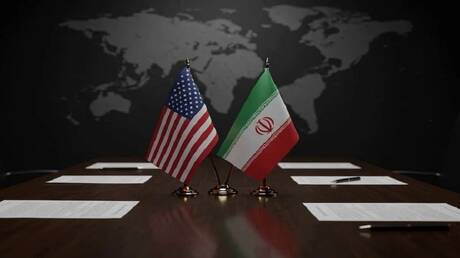
Axios has revealed ongoing talks in preparation for a high-level meeting between officials from Iran and the United States in the Pakistani capital of Islamabad, set to take place later this week. These discussions come amid new developments in the relationship between the two countries, which has long been characterized by tension and significant political differences.
The Israeli official who reported this news did not disclose further details about the individuals who will participate in this meeting, but it is clear that this gathering represents a potential step towards easing the existing tensions between Tehran and Washington, especially given the complex geopolitical factors affecting the region.
Details of the Upcoming Meeting
Reports indicate that the anticipated meeting may involve discussions between diplomats from both sides, with key contentious issues expected to be addressed, including the Iranian nuclear program, which has been a focal point of international controversy and increasing interest from major powers. The talks may also cover issues related to regional security and economic cooperation.
Reaching the negotiation table at this historical moment evokes memories of previous instances when both sides initiated diplomatic efforts during periods of deteriorating relations, although the current political circumstances remain complicated.
Background & Context
Historically, the relationship between Iran and the United States has undergone a series of transformations. Since the 1979 Iranian Revolution, these relations have been marked by a series of crises and tensions that have persisted for decades. The consequences of U.S. economic sanctions on Iran have been significant, exacerbating humanitarian crises and economic contraction within the country.
In recent years, Iran has continued to expand its nuclear program despite international pressures, prompting Washington to take various measures ranging from imposing sanctions to potential military action. This upcoming meeting is part of ongoing efforts to explore new avenues for reaching a consensus.
Impact & Consequences
If these discussions proceed effectively, they could pave the way for reducing tensions between Iran and the United States and may open new avenues for diplomacy in the region. The region could witness changes in political deals and existing alliances, which could, in turn, impact the economic and political situations in neighboring countries.
However, experts warn that the path to achieving lasting peace and stability remains fraught with challenges. Should the talks fail, this could lead to exacerbating existing conflicts, particularly with the involvement of other parties in the dispute, such as the Gulf Arab states.
Regional Significance
These developments could have far-reaching implications for Arab countries in the region. One potential outcome of this meeting lies in its impact on tension levels in the Arab Gulf and how countries like Saudi Arabia and the United Arab Emirates respond to any developments that may arise.
In light of these scenarios, regional countries need to reassess their diplomatic strategies and national security to ensure stability in the future. These talks may provide an opportunity for countries like Iraq and Lebanon to enhance their roles as mediators in the region.
In conclusion, this potential meeting between Tehran and Washington represents a new step in diplomatic efforts aimed at easing tensions between the two countries. It indicates a mutual desire to return to dialogue, despite the challenges and difficulties that may lie ahead.