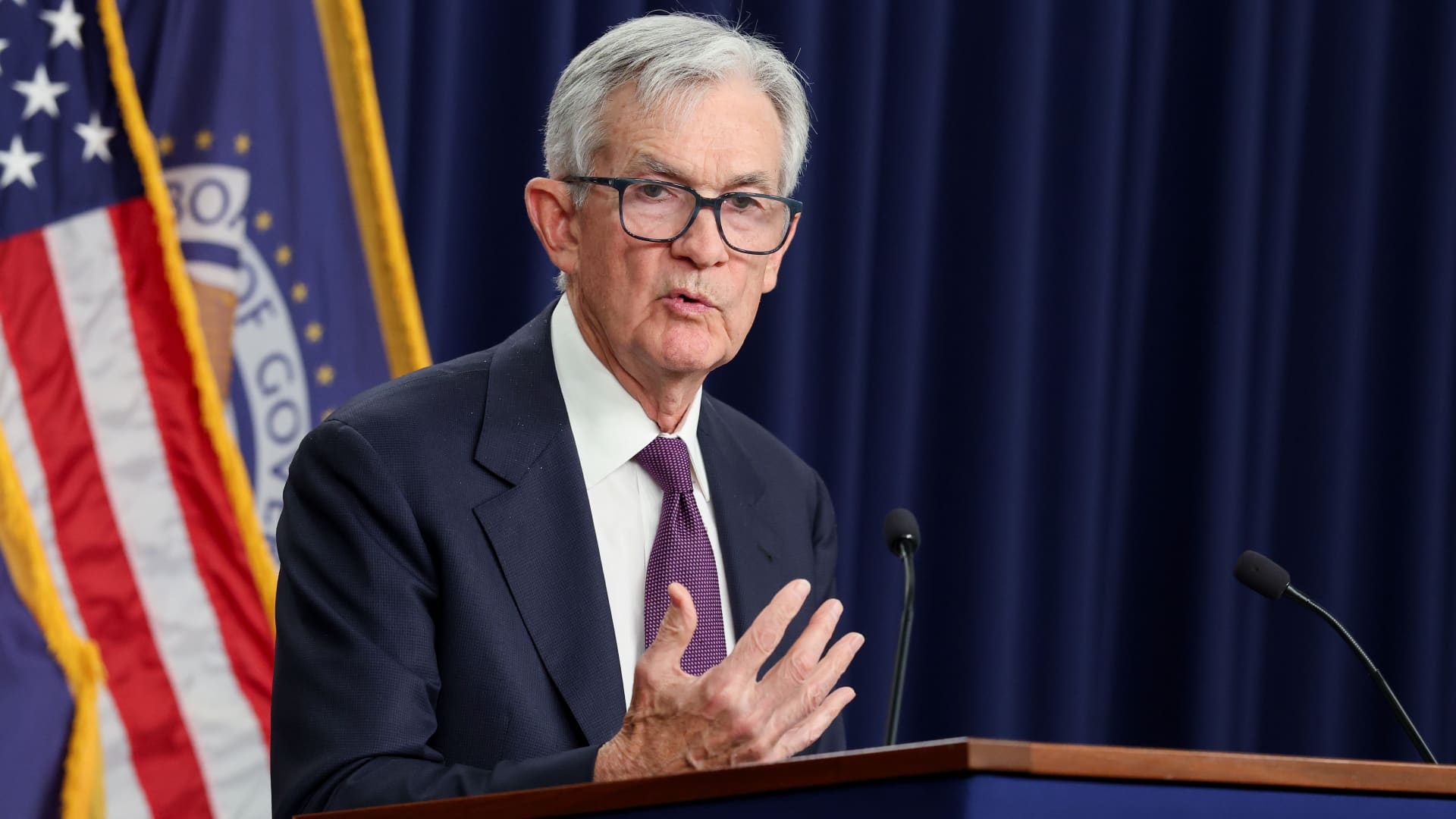
Jerome Powell, the Chairman of the U.S. Federal Reserve, stated during a talk at Harvard University that inflation expectations remain stable despite current increases in energy prices. This was highlighted during his discussion with students and faculty, where he explained that the Federal Reserve is focused on achieving its goals related to stable prices and low unemployment rates.
In his remarks, Powell avoided delving into specifics regarding future interest rate trends or the potential successor he is interested in, such as Kevin Warsh. He emphasized that the current moment requires looking beyond short-term fluctuations in the energy market.
Event Details
During his talk, Powell pointed out that long-term inflation expectations appear stable, but he did not rule out the possibility of facing future challenges. He clarified that the Federal Reserve is closely monitoring the impacts of global events, including the war in Iran and the effects of tariffs on prices.
It is noteworthy that Powell's term as Chairman of the Federal Reserve will end in mid-May, and Kevin Warsh has been nominated to succeed him. However, his nomination is facing delays in the Senate Banking Committee, as Attorney General Janine Pirro continues her investigations regarding renovations at the Federal Reserve headquarters.
Background & Context
Historically, the Federal Reserve has played a pivotal role in steering U.S. monetary policy, especially during times of economic crises. Since the onset of the COVID-19 pandemic, the Federal Reserve has taken unprecedented measures to support the economy, including lowering interest rates to record levels.
However, current challenges, such as rising energy prices and disruptions in supply chains, may affect the stability of the U.S. economy. In this context, Powell's remarks serve as a signal to the global economy about how the Federal Reserve is addressing these challenges.
Impact & Consequences
Powell's statements are significant as they reflect the Federal Reserve's stance on inflation and private credit. While the private sector is experiencing an increase in defaults and investor withdrawals, Powell confirmed that the current situation does not indicate a widespread systemic crisis.
Nonetheless, any escalation in financial or economic crises could lead to negative impacts on global markets, necessitating the Federal Reserve to make cautious decisions in the future.
Regional Significance
Arab countries are directly affected by changes in U.S. monetary policy, especially given their heavy reliance on oil and natural resources. Rising energy prices may impact the economies of oil-producing countries, while importing nations may face challenges in meeting their needs.
In light of these circumstances, Arab countries must closely monitor developments in U.S. monetary policy, as these can influence their economic and monetary stability.
In conclusion, Powell's remarks remain an important indicator of how the Federal Reserve is handling current challenges and reflect the significance of monetary stability amid volatile economic conditions.