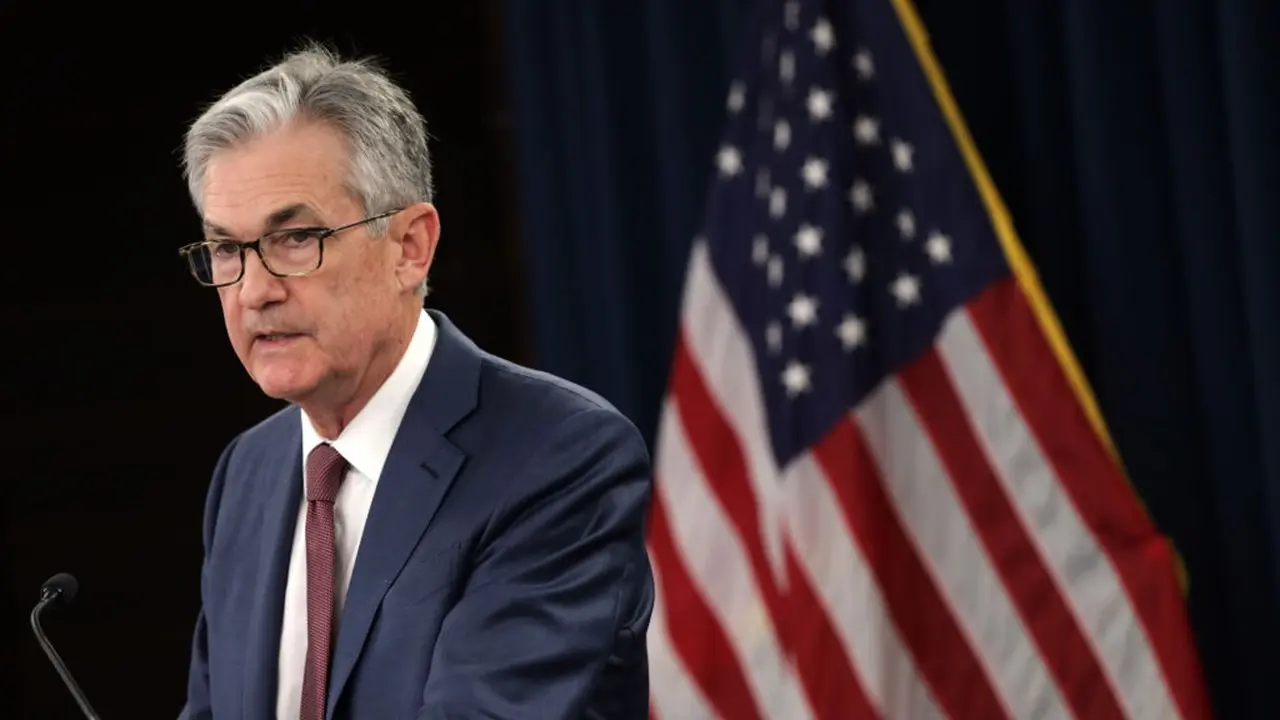
Jerome Powell, the Chairman of the U.S. Federal Reserve, confirmed that long-term inflation expectations seem to be under control amid changing global economic conditions. This statement was made during his speech at an event held at Harvard University in Massachusetts, where he noted that the central bank is closely monitoring the situation due to the potential impacts of the ongoing war between the United States and Israel against Iran.
Powell explained that the Federal Reserve places significant importance on monitoring inflation expectations, as the stability of these expectations is a crucial indicator of the health of the U.S. economy. He affirmed that the central bank is prepared to take necessary actions to ensure price stability, which is considered one of the primary goals of U.S. monetary policy.
Details of the Event
During his talk at Harvard University, Powell addressed several issues related to the U.S. economy, including the effects of the war in the Middle East on financial markets. He indicated that geopolitical tensions could impact supply chains and prices, necessitating the Federal Reserve to make informed decisions to maintain economic stability.
Powell also touched on the importance of communicating with the public and markets regarding monetary policies, noting that transparency plays a critical role in enhancing trust in the economy. He assured that the Federal Reserve will continue to closely monitor economic data, including inflation rates and economic growth.
Background & Context
Historically, the United States has experienced significant fluctuations in inflation rates, particularly during economic crises. In recent years, there have been increasing concerns about rising inflation due to several factors, including the COVID-19 pandemic and global trade tensions. However, long-term inflation expectations have remained relatively stable, reflecting investor confidence in the Federal Reserve's ability to manage monetary policy effectively.
Powell's remarks come at a sensitive time, as pressures on the global economy are mounting due to geopolitical disputes, especially in the Middle East. The war between the United States and Israel against Iran could exacerbate economic conditions, prompting the Federal Reserve to take proactive measures.
Impact & Consequences
Powell's statements are highly significant, as they reflect future trends for the U.S. economy. If inflationary pressures persist, the Federal Reserve may be compelled to raise interest rates more quickly than anticipated, which could impact economic growth. Additionally, any changes in monetary policy could affect global financial markets, reflecting on investments and international trade.
It is also important to note that stability in inflation expectations can enhance consumer and investor confidence, contributing to economic growth. However, any deterioration in geopolitical conditions could lead to unexpected fluctuations in the markets.
Regional Significance
In light of the current tensions in the Middle East, Powell's statements may have a direct impact on Arab economies. Many Arab countries rely on U.S. economic stability, and any changes in monetary policy could affect investment flows and economic aid. Furthermore, rising interest rates in the United States may lead to increased borrowing costs for Arab nations, potentially impacting development projects.
In conclusion, the global economic situation remains volatile and heavily depends on how the Federal Reserve addresses current challenges. The stability of inflation expectations will have far-reaching effects on both the U.S. and global economies, necessitating close monitoring of these developments by Arab nations.