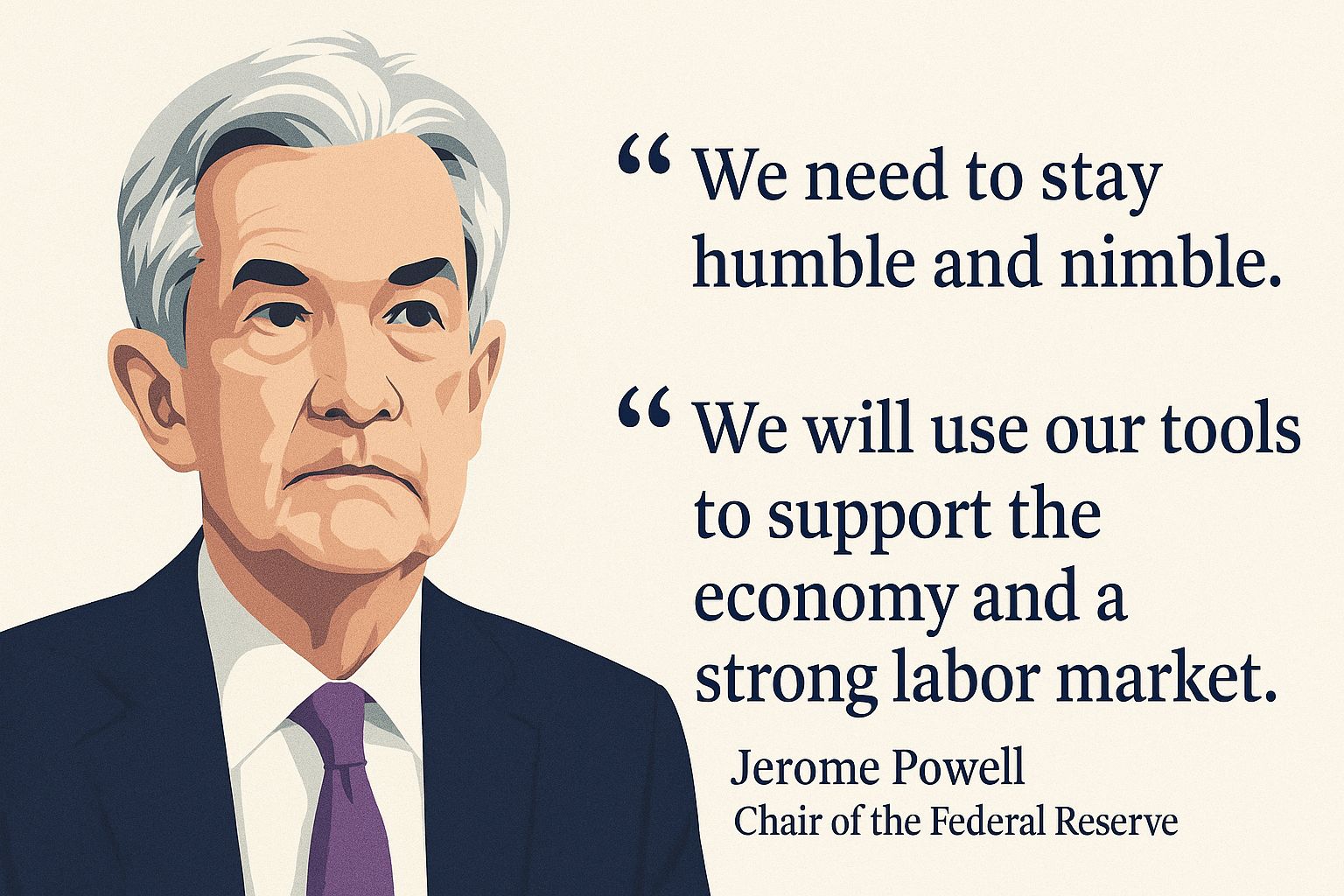
Federal Reserve Chairman Jerome Powell is set to deliver a lecture in an economics class at Harvard University, addressing current economic issues and the impact of monetary policies on the American and global economy. This lecture comes at a critical time as the American economy faces multiple challenges related to inflation and economic growth.
The lecture is scheduled to take place in the United States and is considered a rare opportunity for students and those interested in economic affairs to hear from one of the world's leading decision-makers. Powell is expected to discuss how the Federal Reserve is addressing current economic challenges, including raising interest rates to combat rising inflation.
Event Details
Powell's lecture is part of a series of classes hosted by Harvard University aimed at enhancing public understanding of contemporary economic issues. Powell is expected to speak about the Federal Reserve's strategies in facing inflation and how these policies affect financial markets and the global economy.
This lecture follows a series of decisions made by the Federal Reserve in recent months, which included repeatedly raising interest rates in an attempt to control inflation that has reached record levels. Powell is a pivotal figure in these strategies, as he seeks to balance economic growth with price stability.
Background & Context
The Federal Reserve was established in 1913 as part of a central banking system and is responsible for managing monetary policy in the United States. Since then, the Federal Reserve has played a significant role in guiding the American economy, especially during financial crises. In recent years, the Federal Reserve has faced new challenges related to inflation, which has risen significantly due to several factors, including the COVID-19 pandemic and disrupted supply chains.
In 2020, the Federal Reserve took unprecedented measures to support the economy, including lowering interest rates to near-zero levels. However, the rapid recovery of the economy has led to increased inflationary pressures, prompting Powell and his team to reconsider their strategies.
Impact & Consequences
Powell's lecture at Harvard presents an opportunity to highlight how monetary policies affect the global economy. Any changes in interest rates or Federal Reserve strategies can directly impact global financial markets, including those in the Arab world.
Concerns are growing that rising interest rates could lead to a slowdown in economic growth, negatively affecting investments and financial markets worldwide. Additionally, any signals from Powell regarding future trends of the Federal Reserve may influence the decisions of investors and analysts in financial markets.
Regional Significance
Arab economies are directly affected by changes in U.S. monetary policy. Many Arab countries rely on foreign investments and trade with the United States. Therefore, any changes in U.S. interest rates can impact investment flows to the region.
Moreover, an increase in interest rates may reduce demand for oil, affecting the economies of oil-producing countries in the region. Thus, Powell's lecture represents an opportunity to understand how U.S. monetary policies impact the Arab economy.
In conclusion, Powell's lecture at Harvard is a significant event not only for students and those interested in economic affairs but also for decision-makers and investors in the Arab world. Understanding U.S. monetary policies and their impact on the global economy can assist in making better strategic decisions in the future.