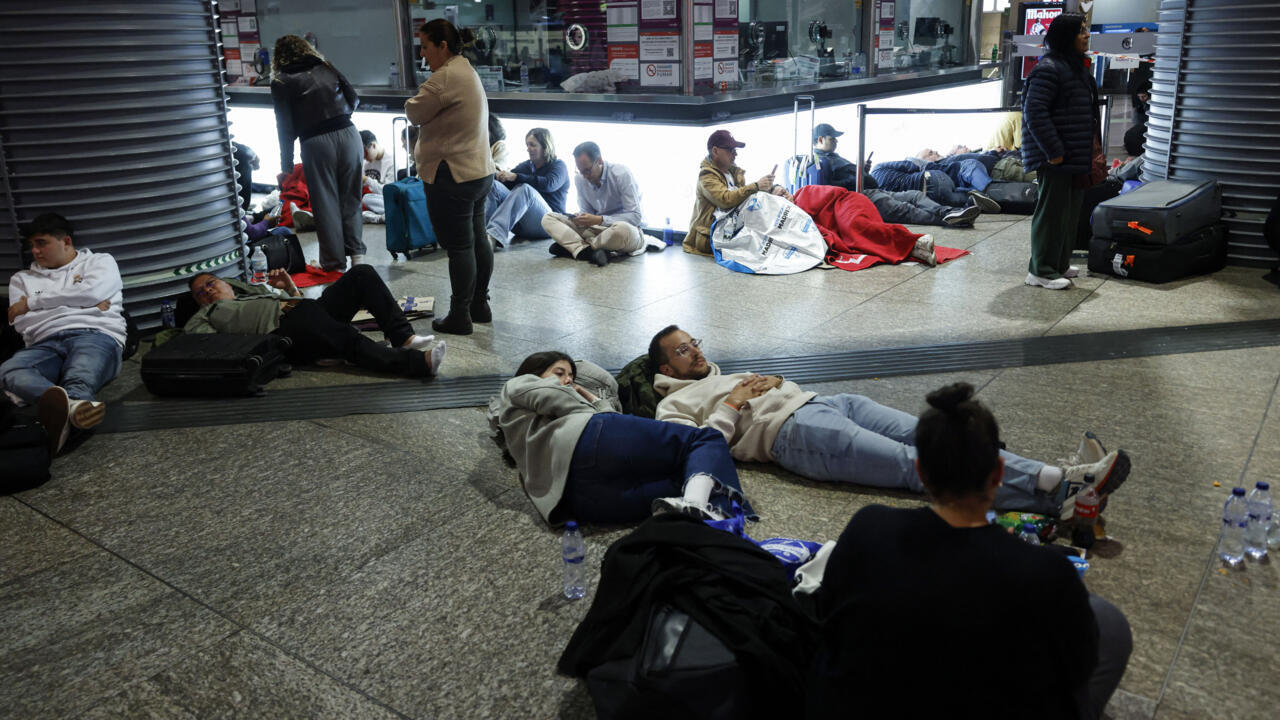
Cuba is facing a severe electricity crisis after experiencing its second nationwide power outage in less than a week. The latest outage followed a prior interruption that lasted over 24 hours on March 16-17, causing chaos and anxiety among residents.
The Cuban government has stated that U.S. sanctions are the fundamental reason for its inability to repair the deteriorating electrical grid, which lacks necessary investment and has suffered from prolonged neglect and lack of upgrades. As the crisis worsens, some economists point out that the Cuban government has not invested sufficiently in the energy sector, exacerbating the situation.
Historically, Cuba has faced multiple energy crises, where power outages have become a part of daily life for citizens. Reduced energy demand and rising service costs have left many neighborhoods and regions in continuous darkness.
In recent years, increased U.S. sanctions imposed on Cuba have made the situation more difficult, as the government has sought alternative energy sources to meet the needs of the populace. However, limited financial resources, the inability to import modern technologies, and reliance on external factors have hindered many of these attempts.
The negative ramifications of these power outages extend to various aspects of social and economic life. Amid the political and economic crises Cuba is undergoing, these issues could exacerbate the circumstances and increase pressure on the regime. Moreover, public discontent could potentially turn into widespread protests, especially if outages continue to occur frequently.
The power outages in Cuba are a clear example of how mismanagement and international sanctions can affect individuals' lives in developing countries. It is noteworthy that the situation in Cuba is not far removed from many Arab nations facing similar energy crises, where the main causes and effective production techniques and energy distribution are comparable.
Despite the difficulties, the government is making efforts to improve conditions by implementing alternative solar energy technologies as a means to alleviate the crisis. However, Cuba still has a long way to go before achieving energy sustainability and improving the living standards of its citizens.
It is vital that the discussion around the Cuban crisis continues in international circles and that this crisis is addressed in a humane manner that respects human rights and leads to improved living conditions in the country. The international community should also encourage fruitful investments in Cuba to help it overcome its crisis and rebuild its infrastructure as soon as possible.
In conclusion, the present scene in Cuba encapsulates the reality that what happens in one country can resonate and have repercussions across the world, especially in light of globalization and interlinked economic and political interests. The situation in Cuba represents an international task that must be met with deep understanding and actionable plans.