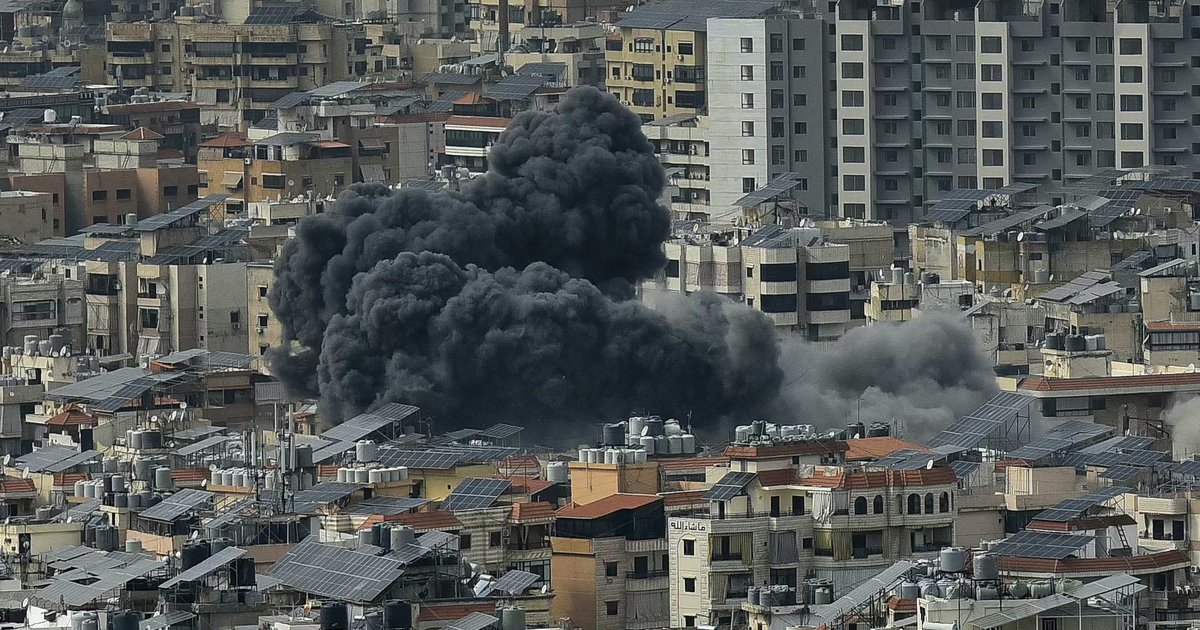
Tehran and several neighboring provinces experienced widespread power outages following attacks by the United States and Israel on energy facilities in the region. The Iranian Ministry of Energy reported that the outages were caused by strikes on power generation stations in Tehran Province and other areas, leading to electricity disruptions in several neighborhoods.
The attacks, which occurred on Sunday, March 29, resulted in the destruction of parts of the electrical infrastructure, as missile fragments struck high-voltage power towers in Alborz Province, causing power outages in many areas of Tehran and Karaj. The ministry confirmed that technical teams are working to repair the damage and restore electricity as quickly as possible.
Details of the Incident
The US-Israeli attacks on Iran are not new, as the past months have seen escalating tensions between Tehran, Washington, and Tel Aviv. On February 28, the US and Israel launched strikes on targets within Iran, resulting in the deaths of several civilians and the destruction of vital facilities. In response to these attacks, Iran conducted counterattacks targeting Israeli sites and US military facilities in the region.
The recent power outage reflects the rising tensions in the region, with Tehran viewing these attacks as a direct threat to its national security. Iranian officials have indicated that the attacks target the country's critical infrastructure, threatening its economic and social stability.
Background & Context
Historically, relations between Iran and the United States have been marked by increasing tensions since the Islamic Revolution in 1979. These tensions have led to a series of military and economic conflicts, including economic sanctions imposed by Washington on Tehran. In recent years, these tensions have intensified with the escalation of Israeli military activities in the region, which Iran perceives as a direct threat.
The repeated targeting of vital facilities in Iran reflects a military strategy aimed at undermining Tehran's defensive and economic capabilities. This strategy has escalated the conflict in the region, threatening regional security and increasing the likelihood of new conflicts.
Impact & Consequences
The power outage in Tehran has serious implications for the daily lives of citizens, as many rely on electricity to meet their basic needs. This outage may also affect economic sectors, including industry and services, increasing economic pressures on the Iranian government.
Moreover, the military escalation between Iran, the United States, and Israel could lead to cascading reactions in the region, as other countries may seek to bolster their military capabilities or adopt more hardline stances. This escalation could threaten regional stability and exacerbate existing conflicts.
Regional Significance
The recent events in Iran have a direct impact on Arab countries, especially those sharing borders or relations with Iran. The military escalation could increase tensions in the Gulf region, where many Arab countries depend on regional stability to ensure their economic and political security.
Additionally, any escalation in the conflict between Iran and the United States could affect global oil prices, impacting Arab economies that rely on oil exports. Under these circumstances, Arab countries need to closely monitor developments and take appropriate measures to protect their interests.