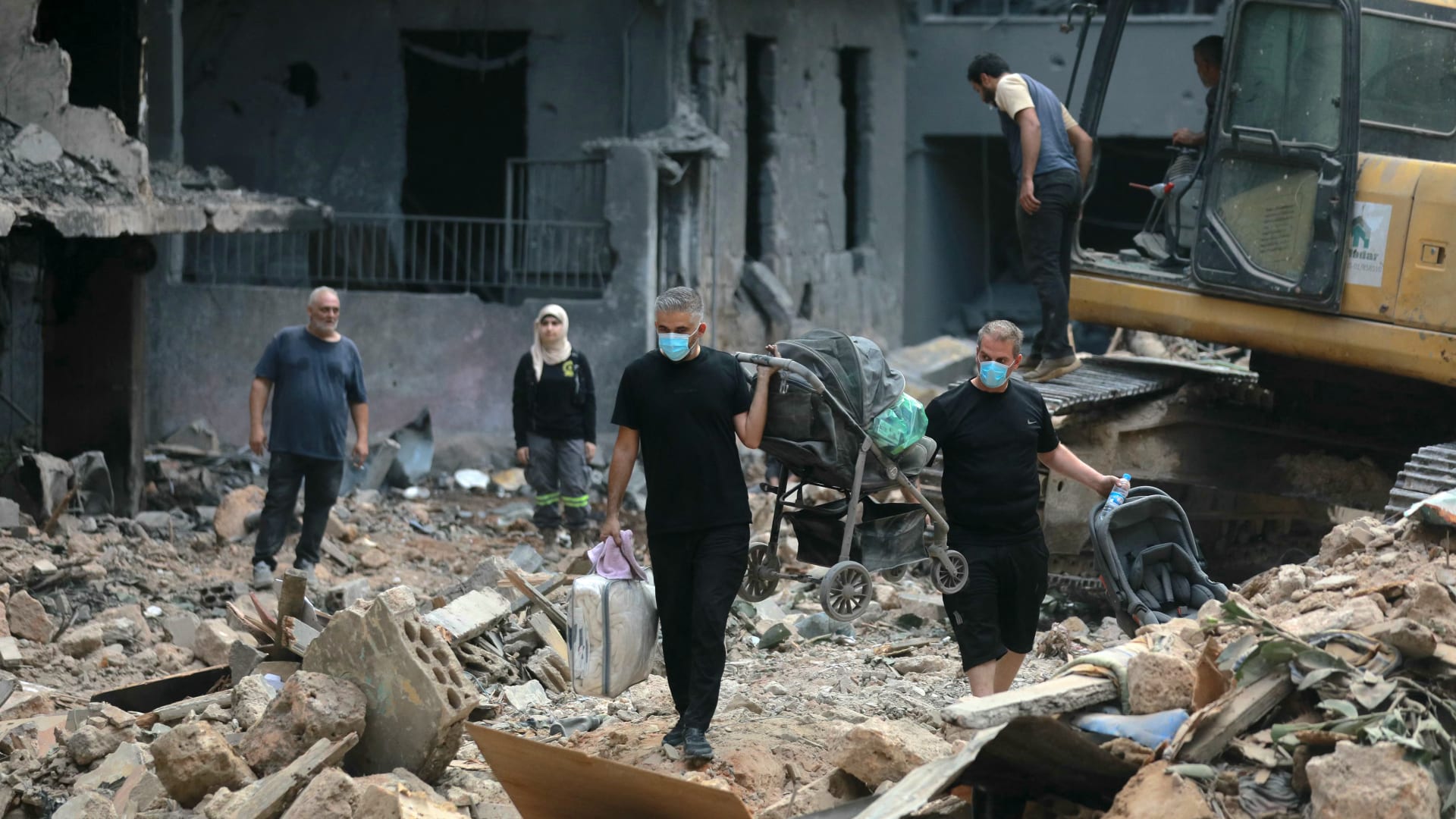
Tehran, the capital of Iran, is experiencing extensive power outages, with residents reporting significant problems with energy supply. This situation follows the announcement by the Israeli army of a new wave of airstrikes targeting the city’s infrastructure, although further details about these operations have not been disclosed.
The Israeli army's strikes raise concerns about escalating tensions in a region already marked by instability. Some view these actions as potentially exacerbating humanitarian and economic crises within the country, alongside repercussions for the overall security situation in the region.
Details of the Incident
Local sources in Tehran have reported that power outages have severely affected daily life, with many neighborhoods experiencing prolonged periods without electricity. This has sparked outrage among citizens already living under increasing economic pressure.
Regarding the airstrikes, Israeli forces have confirmed they are targeting strategic objectives in the capital in response to growing security threats. The strikes have caused panic among residents, reflecting the impact of military operations on civilian life.
Background & Context
Since the beginning of this year, tensions between Iran and Israel have escalated, with both sides exchanging threats. In this context, Iran is grappling with a crippling economic crisis due to international sanctions, increasing pressure on the Iranian government and raising discontent among citizens.
History shows that economic pressures and political conflicts can lead to devastating outcomes in any nation. In Iran's case, regional and international pressures add to an already turbulent domestic landscape, complicating the situation further.
Impact & Consequences
The launch of Israeli airstrikes reflects a shift in the conflict strategy between the two nations, as both aim to gain ground. The immediate effect of these strikes is an increase in tensions among various Iranian political factions, which could lead to greater internal disputes.
Furthermore, the continuation of these circumstances reinforces the negative perception of Iran in the international arena and heightens the likelihood of further sanctions. Evaluations also indicate that this conflict could trigger new waves of migrants toward neighboring countries, potentially becoming an additional burden on those nations.
Regional Significance
While attention is focused on the conflict between Tehran and Tel Aviv, it is crucial to consider the impact on surrounding Arab countries. For instance, there are fears that escalating tensions could destabilize neighboring nations such as Iraq and Syria.
Overall, the Arab region needs a clear strategy to address current regional changes. As military conflicts persist, dialogue and cooperation among Arab nations may become more essential than ever to maintain security and stability.