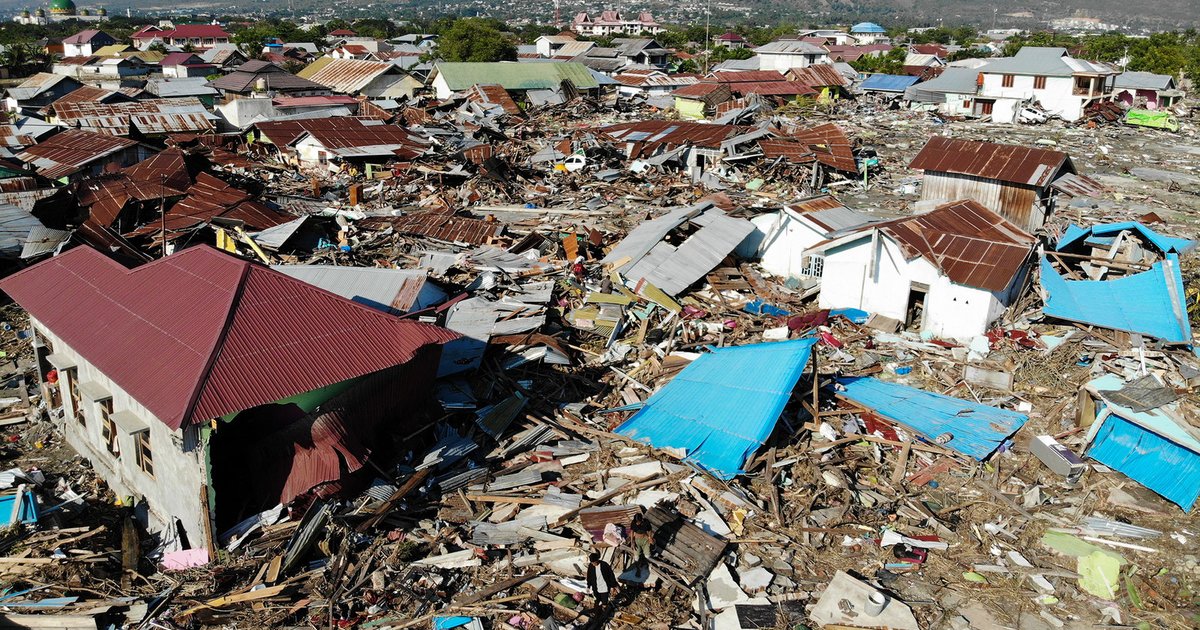
A strong earthquake has hit Indonesia, resulting in tsunami waves and the collapse of several buildings. Local authorities have declared a state of emergency amid fears of worsening conditions.
The earthquake occurred early this morning, measuring 7.5 on the Richter scale, with its epicenter located near the coast of Sulawesi Island. Residents felt the tremors across wide areas of the country, causing panic and fear among citizens.
Details of the Event
According to initial reports, the earthquake triggered tsunami waves reaching heights of 3 meters, inundating coastal areas. Images circulated on social media showed horrifying scenes of building collapses and destruction of infrastructure.
Rescue teams are currently assessing the damage and providing assistance to those affected. Numerous injuries have been reported, while search operations are still ongoing to find the missing.
Background & Context
Indonesia is one of the most earthquake-prone countries in the world due to its location on the Pacific Ring of Fire. Historically, the country has experienced many devastating earthquakes, including the 2004 tsunami earthquake that resulted in the deaths of over 230,000 people across several countries.
The Indonesian government is striving to enhance early warning systems and community awareness to mitigate the impacts of natural disasters. However, challenges remain, especially in remote areas that are difficult to access.
Impact & Consequences
This earthquake is expected to have significant economic and social impacts on Indonesia. The damages may disrupt economic activities in the affected areas, impacting the livelihoods of local residents.
Natural disasters like this also affect tourism, which is one of the main sources of revenue for the country. The number of tourists may decline due to safety concerns, further increasing pressures on the local economy.
Regional Significance
Indonesia is a strategically important country in Southeast Asia, and any crisis there could affect regional stability. Arab countries with investments or trade relations with Indonesia may face negative repercussions as a result of this disaster.
Moreover, major natural events raise concerns in Arab countries, potentially leading to enhanced regional cooperation in areas of relief and disaster preparedness.
In conclusion, hope remains pinned on the efforts of rescue teams and the international community to provide support and assistance to those affected by this natural disaster.