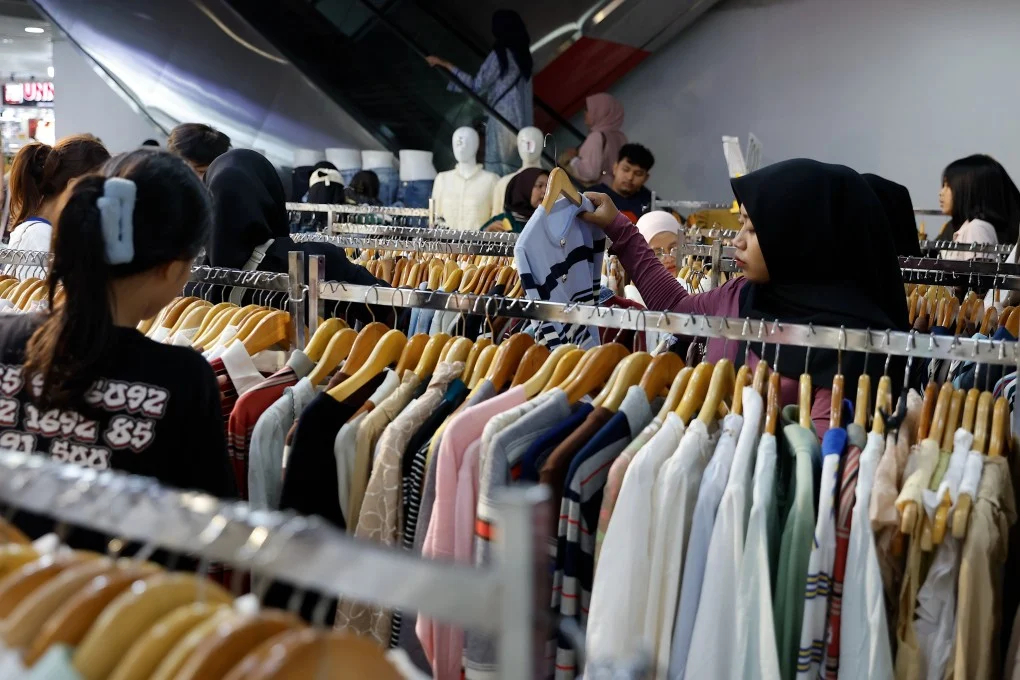
Industry reports warn that consumers should prepare for a clothing price increase of between 10% to 15% as fall approaches. This warning comes in light of the ongoing war's repercussions on Iran, which has led to a series of economic shocks in the garment industry in South Asia, one of the largest clothing export markets in the world.
Forecasts indicate that clothing prices will see a noticeable increase by the time fall collections reach stores, potentially negatively impacting household budgets. The clothing sector in South Asia, valued at approximately $50 billion, is among the most affected by geopolitical conflicts.
Details of the Event
The war on Iran, specifically the blockade imposed on the Strait of Hormuz, is reducing natural gas supplies, which in turn affects clothing production. The Strait of Hormuz is one of the world's most important maritime passages, through which a significant percentage of oil and gas exports flow. Therefore, any disruption in this passage directly impacts production and transportation costs.
Concerns are growing that the continuation of these conditions could exacerbate economic crises in the region, reflecting on prices in global markets. Many manufacturers have indicated they are facing difficulties obtaining raw materials, leading to increased costs.
Background & Context
Historically, the region has witnessed numerous conflicts that have impacted the global economy, particularly in the energy sector. For decades, Iran has been pivotal in the oil market, and any political tensions affecting its exports lead to price increases in global markets. In recent years, tensions between Iran and the United States have escalated, resulting in economic sanctions on Tehran, complicating the economic situation further.
The garment industry in South Asia, including Bangladesh, India, and Pakistan, has been one of the largest beneficiaries of global demand for clothing. However, any disruption in supplies or increase in costs can negatively impact this industry, leading to job losses and increased poverty.
Impact & Consequences
Forecasts suggest that the increase in clothing prices will significantly affect the poor and middle classes, as clothing is considered a basic necessity. Consumers may have to cut back on their spending on clothing, which will impact retail sales in the markets.
Moreover, rising prices could lead to increased inflation, putting additional pressure on governments to provide support and assistance to those affected. At the same time, some manufacturers may benefit from this price increase, leading to greater wealth disparity within communities.
Regional Significance
Arab countries are directly affected by these conditions, as many nations rely on importing clothing from South Asia. With rising prices, Arab families may find themselves forced to pay more for clothing, impacting their budgets.
Additionally, political tensions in the region could exacerbate economic crises, necessitating urgent action from Arab governments to mitigate the effects of this increase on their citizens.
In conclusion, the repercussions of the war on Iran are likely to significantly affect clothing prices in global markets, prompting consumers to prepare for this potential increase.