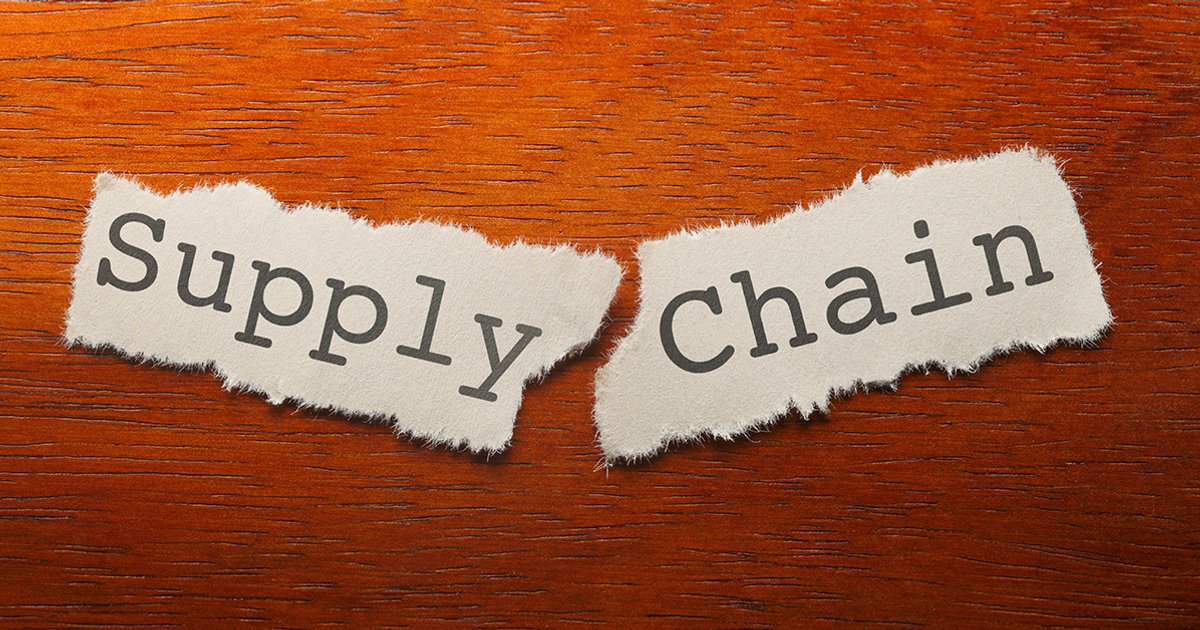
As the world faces increasing crises, the need for preparedness to confront the unknown has become an urgent necessity, not just an option. The challenges facing supply chains are growing, making it essential to adopt effective strategies to handle these crises. Away from panic, the philosophy of 'calm readiness' stands out as a smart management approach that allows countries and companies to better prepare for any emergency.
This philosophy emphasizes proactive planning, enhancing flexibility in supply chains, and developing effective strategies to adapt to rapid market changes. In this context, companies and nations must work on improving their logistical capabilities, expanding their supplier networks, and adopting modern technologies that contribute to enhancing efficiency.
Details of the Event
Reports indicate that many countries have already begun taking tangible steps to enhance their readiness for potential disruptions in supply chains. For instance, some governments have bolstered strategic stockpiles of essential goods, while other companies are improving their logistical operations by utilizing modern technologies such as artificial intelligence and data analysis.
There is also a growing interest in developing strategic partnerships between the public and private sectors, which contributes to enhancing the ability to respond to crises. These partnerships allow for the exchange of knowledge and experiences, improving the response of nations and companies to future crises.
Background & Context
Historically, global supply chains have experienced numerous disruptions due to economic and political crises, such as global financial crises, wars, and pandemics. These events have clearly demonstrated the importance of preparedness and readiness in facing challenges. For example, the COVID-19 pandemic significantly disrupted supply chains, prompting many companies to reassess their strategies.
In recent years, issues such as climate change and geopolitical disruptions have posed additional challenges to supply chains. Thus, the philosophy of calm readiness represents an effective response to these challenges, focusing on enhancing resilience and adaptability.
Impact & Consequences
The repercussions of supply chain disruptions extend beyond national borders, affecting the global economy as a whole. In the absence of preparedness, countries may face severe economic crises, leading to rising prices and shortages of essential goods. Additionally, instability in supply chains can impact food and health security in many countries.
Therefore, enhancing readiness can help mitigate the risks associated with these crises. By adopting effective strategies, countries and companies can reduce negative impacts and achieve greater stability in markets.
Regional Significance
In the Arab region, supply chains are susceptible to numerous challenges, including political and economic crises. Thus, enhancing readiness is vital to ensure market stability. Many Arab countries have already begun implementing strategies to strengthen their logistical capabilities and improve their crisis response.
Moreover, regional cooperation in the field of supply chains can contribute to enhancing the ability to confront crises. By exchanging knowledge and experiences, Arab countries can improve their responses to future crises and bolster their economic stability.
In a world filled with challenges, the importance of preparedness to face the unknown is paramount. By adopting the philosophy of calm readiness, countries and companies can enhance their ability to confront crises and achieve greater market stability.