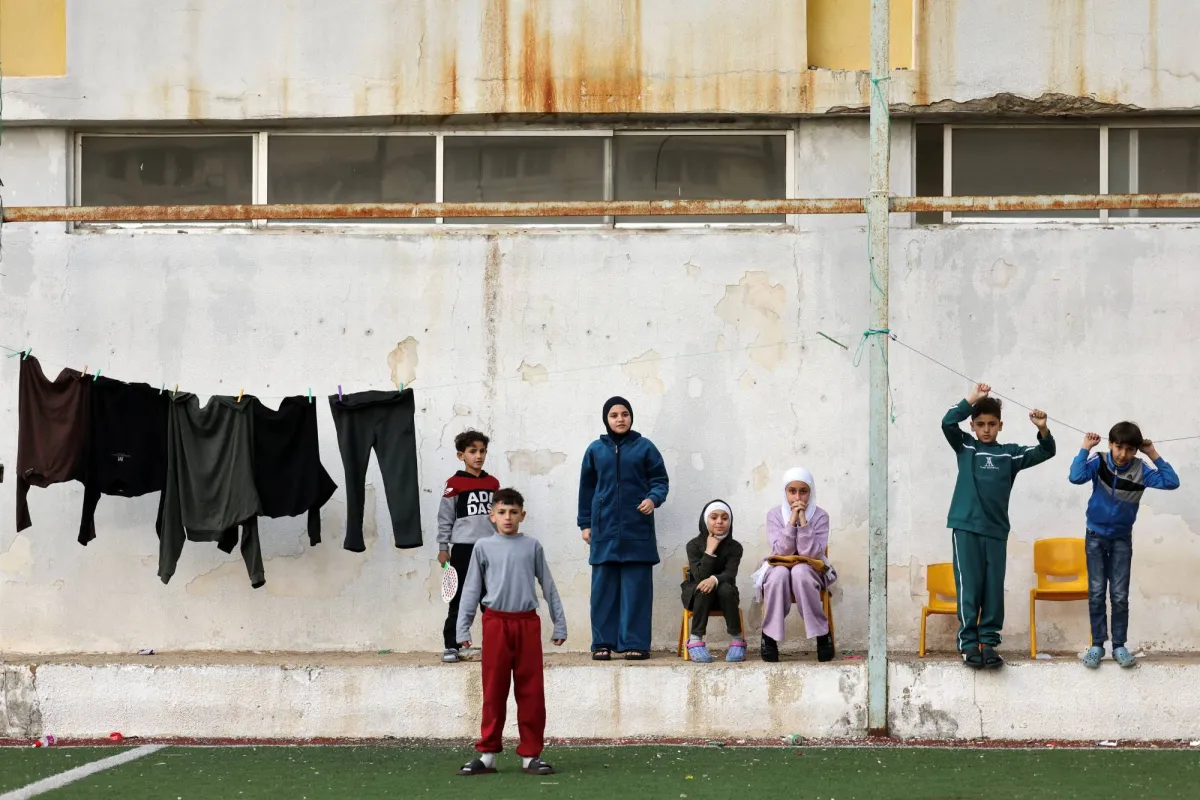
Lebanese Minister of Social Affairs Hanin Sayyed announced today, Tuesday, that Lebanon is preparing for the possibility that hundreds of thousands of displaced individuals may not return to their homes as a result of ongoing Israeli airstrikes and evacuation orders. This statement comes amid escalating tensions along the Lebanese-Israeli border, where Israeli Defense Minister Israel Katz indicated the Israeli army's intention to destroy homes along the border and prevent 600,000 displaced individuals from returning to their villages.
Since March 2, more than 1 million people have been displaced from their homes, and 1,200 others have been killed in Israeli airstrikes, which began after the armed group Hezbollah fired at Israel, escalating the regional conflict. In this context, Minister Sayyed expressed her concern over long-term displacement, stating, "We hope this does not happen, but as a government, we must prepare and think about it."
Details of the Situation
The Lebanese government is considering various options to address the displacement crisis, including cash-for-rent programs and providing housing for the displaced, but it currently has no plans to build camps. The minister emphasized that the situation depends on the extent of the Israelis' insistence on seizing land, which is considered a violation of Lebanon's sovereignty.
Currently, around 136,000 people are living in collective shelters, while others are staying with relatives or on the streets. Long-term displacement could exacerbate social tensions among different Lebanese groups, especially after political and sectarian divisions intensified due to Hezbollah's decision to enter the war.
Background & Context
Historically, Lebanon has experienced multiple waves of displacement due to regional conflicts, with the Lebanese Civil War being one of the main causes of large-scale population displacement. As regional conflicts escalate, Lebanon has become a refuge for many displaced individuals from neighboring countries, increasing pressure on infrastructure and social services.
These events coincide with the deteriorating economic conditions in Lebanon, where the country is suffering from a severe financial crisis, complicating the government's efforts to provide assistance to the displaced. A United Nations report indicated that Lebanon is in urgent need of international support to address the humanitarian repercussions of the ongoing conflict.
Impact & Consequences
The Lebanese government anticipates that long-term displacement will exacerbate social and economic crises, as pressures on limited resources increase. This could lead to heightened tensions between local communities and the displaced, threatening social stability in the country.
Additionally, the lack of funding poses a significant challenge, as the government has been unable to gather the necessary aid to meet the needs of the displaced. The minister confirmed that during the previous war, the United Nations managed to raise $700 million, while the Lebanese government has received only $30 million so far.
Regional Significance
The situation in Lebanon is part of the broader picture of conflicts in the region, where disputes in Syria and Palestine affect Lebanon's stability. Continued displacement from Lebanon could exacerbate humanitarian crises in neighboring countries, necessitating urgent international intervention.
In conclusion, the situation in Lebanon remains complex, requiring a comprehensive response from the government and the international community to ensure the protection of the rights of the displaced and meet their basic needs.