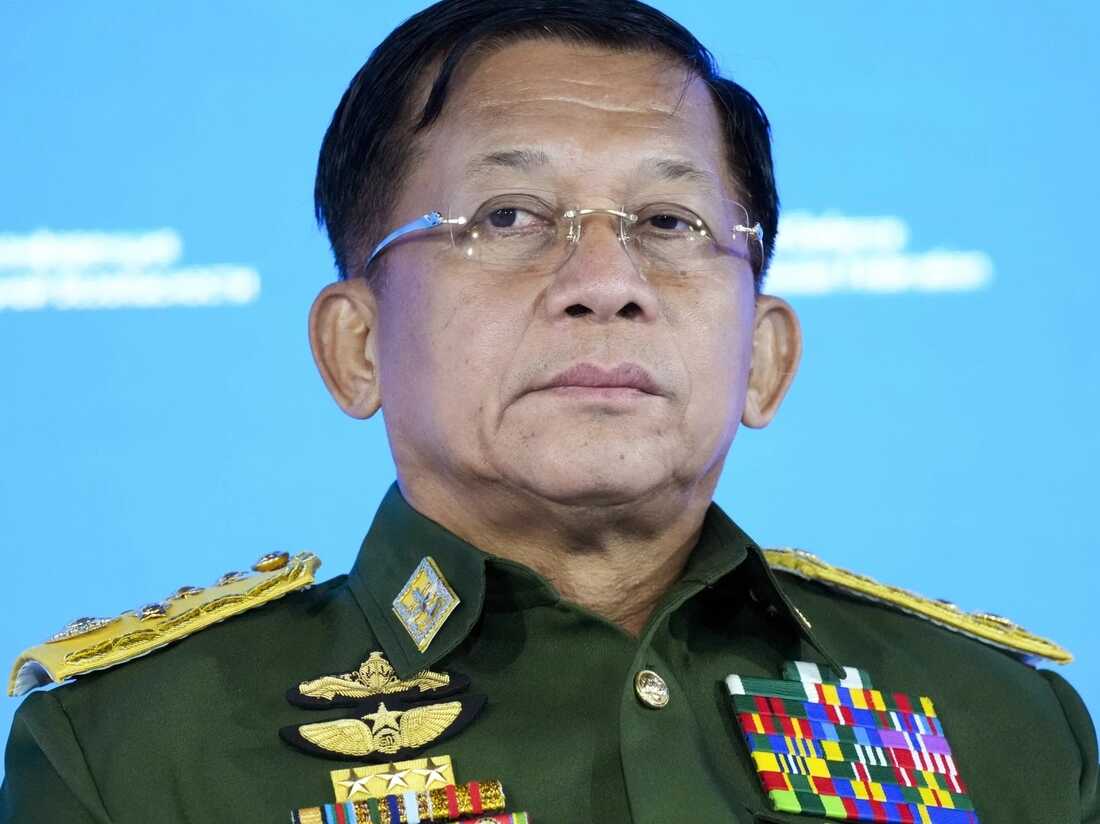
Myanmar's military leader, General Min Aung Hlaing, is preparing for a parliamentary vote that may determine his candidacy for the presidency. This development comes at a sensitive time for the country following the military coup in February 2021, which led to the ousting of the democratically elected government led by Aung San Suu Kyi, sparking widespread protests and violence across the nation.
General Hlaing, who heads the military council, is seeking parliamentary support in a move considered crucial for consolidating his power. The upcoming vote follows a series of tense political events, where Hlaing is expected to face significant opposition from other political parties, particularly those representing the populace.
Details of the Event
The parliamentary elections taking place in Myanmar represent a true test for the military council, as General Hlaing aims to secure the presidency amidst complex political circumstances. The vote is expected to occur within the next few days, marking a potential turning point for the country's future.
It is noteworthy that Myanmar has witnessed a surge in violence since the military coup, with thousands of civilians killed and many activists detained. These conditions could significantly impact the voting results, as the military council faces increasing international pressure to return to civilian rule.
Background & Context
Historically, Myanmar has suffered from long periods of military rule, with military control imposed on the country since 1962. Despite some reforms seen in the past decade, the recent coup has plunged the nation back into a cycle of violence and political turmoil.
Aung San Suu Kyi is regarded as a symbol of democracy in Myanmar and was awarded the Nobel Peace Prize in 1991. However, her rule was not without criticism, particularly regarding the treatment of ethnic minorities. The military coup in 2021 dealt a severe blow to democratic efforts in the country.
Impact & Consequences
If General Hlaing manages to secure the presidency, it could exacerbate the situation in Myanmar and intensify the conflict between the military and the opposition. Violence is likely to continue, and protests may escalate, potentially leading to further international sanctions on the military regime.
Conversely, if Hlaing fails to gain parliamentary support, it could result in a new political crisis, as tensions within the military itself may rise, threatening the country's stability even further.
Regional Significance
The events in Myanmar hold particular importance for the Arab region, reflecting the challenges faced by countries in achieving political stability. The military coup in Myanmar highlights the importance of supporting democracy and human rights worldwide.
In light of the political crises affecting some Arab nations, Myanmar's experience can serve as a lesson in the importance of dialogue and understanding among different parties, and avoiding violence as a means of resolving conflicts.