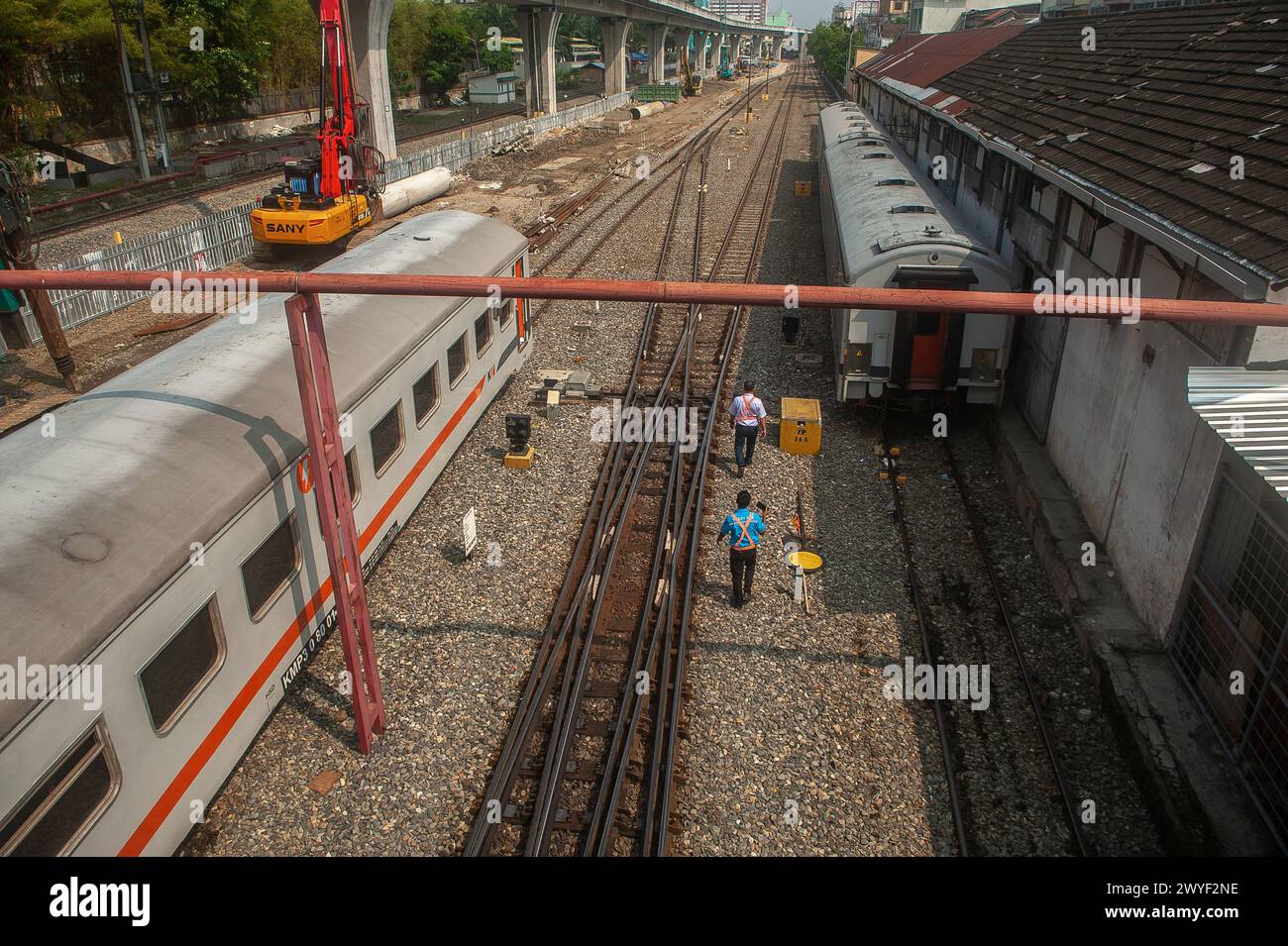
The Indonesian Ministry of Transportation has announced its preparations to face the expected peak return traffic at the Ketapang-Gilimanuk crossing, which will occur on March 28 and 29, 2026. These preparations are part of the ministry's efforts to ensure smooth traffic flow and reduce congestion, with coordination meetings held with relevant stakeholders to develop effective strategies.
The Director General of Land Transportation at the ministry, Ann Suhanan, confirmed that the priority will be to facilitate crossing services from Ketapang to Gilimanuk, emphasizing the importance of making quick decisions based on the conditions on the ground. He also pointed out the necessity of improving waiting areas and the delay system to alleviate congestion.
Event Details
As part of the preparations, special waiting areas for vehicles have been designated, with locations such as Gran Watudodol and Kantong Parkir Polosan set aside for private vehicles and buses, while other areas have been allocated for commercial vehicles. A plan has also been established to operate a greater number of ships during peak times, with 30 ships to be deployed during congestion and 32 ships during severe congestion.
If necessary, the number of ships can be increased to between 35 and 40, with an additional two ships available that can accommodate between 60 to 80 vehicles. These measures aim to ensure a safe and smooth crossing for travelers and vehicles during the return period.
Background & Context
The return period following the Eid al-Fitr holiday in Indonesia is considered one of the busiest traffic times, as many citizens seek to return home after spending the holiday in various regions. Previous years have witnessed significant congestion at crossing points, prompting the Ministry of Transportation to take proactive measures to enhance services.
Last year, over 41,526 vehicles were recorded crossing to Bali during the first three days after the holiday, reflecting the high volume of traffic. However, there were still 114,255 vehicles that had not yet crossed, indicating an urgent need to improve services and alleviate congestion.
Impact & Consequences
These preparations are a significant step towards improving the traveler experience, as they will help reduce waiting times and facilitate traffic flow. Coordination among various entities such as the police, the military, and the Ministry of Transportation will have a substantial impact on the success of these strategies.
It is expected that these measures will contribute to enhancing public safety and reducing traffic accidents, making the journey home a safer and more comfortable experience for travelers.
Regional Significance
Although this event pertains to Indonesia, the lessons learned from managing traffic during peak periods can be beneficial for many Arab countries facing similar challenges. With increasing travel during holidays and events, Arab nations can benefit from strategies such as improving waiting areas and increasing the number of transportation options.
In conclusion, these serious preparations by the Indonesian Ministry of Transportation reflect the government's commitment to improving transportation services and providing a safe and comfortable travel experience for citizens.