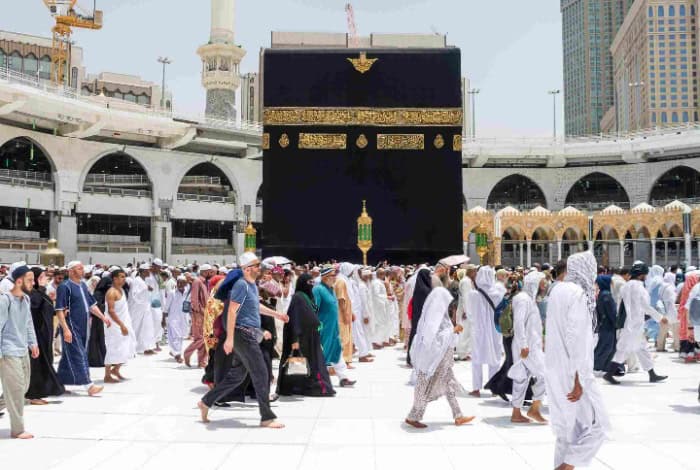
The Saudi Roads Authority has announced the readiness of its road network to welcome pilgrims during the Hajj season, confirming that all necessary measures have been taken to ensure easy mobility and comfort for the pilgrims. This announcement is part of the annual preparations that precede the Hajj season, focusing on improving infrastructure and providing essential services to guarantee a comfortable and safe experience for the pilgrims.
The preparations include the enhancement of main and secondary roads leading to the holy sites, as well as strengthening public transport services and providing adequate parking for buses and private vehicles. Specialized teams have also been prepared to monitor traffic flow and provide immediate support in case of any emergencies.
Event Details
The preparations announced by the Roads Authority include improvements to the highways connecting major cities with Mecca and Medina. Comprehensive maintenance work has been carried out on the roads, along with the addition of new traffic signals and updates to traffic guidance systems.
Service centers for pilgrims have been established along the roads, providing necessary information and guidance for the guests of Allah. The authority is working in cooperation with security and traffic agencies to ensure smooth traffic flow and avoid congestion.
Background & Context
The Kingdom of Saudi Arabia is one of the world's foremost religious destinations, hosting millions of pilgrims annually for the Hajj rituals. With the increasing number of pilgrims, the need to improve and develop infrastructure, including the road and transportation network, becomes more pressing.
In recent years, the Saudi government has made significant investments in infrastructure development as part of Vision 2030, which aims to enhance religious tourism and provide a distinguished experience for pilgrims. These preparations come at a sensitive time, as the world faces challenges related to public health and security, necessitating proactive measures to ensure the safety of pilgrims.
Impact & Consequences
The readiness of the road network is a critical factor in the success of the Hajj season, as any delays or congestion can affect the pilgrims' experience and their ability to perform rituals on time. Therefore, improving the road network contributes to enhancing the Kingdom's reputation as a safe and reliable religious destination.
Moreover, these preparations reflect the Saudi government's commitment to providing the best services for pilgrims, which enhances its standing in the Islamic world and showcases the spirit of hospitality for which the Kingdom is known.
Regional Significance
The preparations for the Hajj season serve as a model for managing major events, where other countries can benefit from Saudi experiences in improving their logistical services during significant religious or cultural occasions.
Additionally, the success of the Hajj season strengthens relations among Islamic countries, as pilgrims from various nationalities and cultures come together, reflecting unity and solidarity among Muslims.
In conclusion, the preparations for the Hajj season remain a fundamental part of the efforts made to ensure a comfortable and safe experience for pilgrims, reflecting the Kingdom's commitment to providing the best services for the guests of Allah.