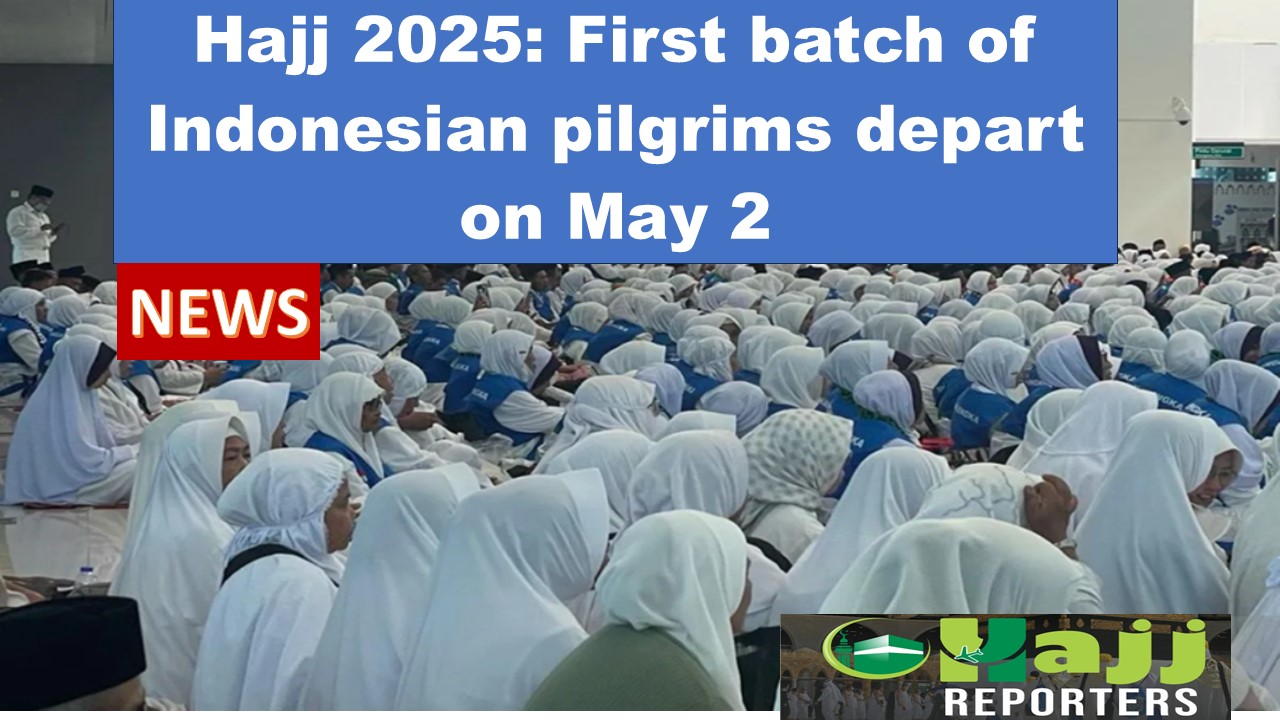
A total of 360 pilgrims from the Tanah Lot region in Indonesia have arrived at the pilgrim accommodation in Banjarmasin, preparing for their departure to the holy lands for the Hajj in 2026. The head of the Hajj organizing committee in Banjarmasin, Eddy Khairani, announced their arrival at 9 AM local time.
The pilgrims, who belong to the ninth group, will depart from Syamsudin Noor Airport in Banjarmasin directly to Medina on a flight operated by Garuda Indonesia. Their departure is scheduled for 9 AM tomorrow.
Details of the Event
During the departure process, necessary documents were handed over, including passports, daily expense money, and identification cards for the pilgrims. A comprehensive health check was also conducted for the pilgrims, including luggage inspections to ensure safety.
Khairani reported that the health condition of the pilgrims is good, although there are some elderly pilgrims who require special care. This step is part of the extensive preparations being made by the Indonesian government to ensure the safety and comfort of the pilgrims.
Background & Context
Indonesia is considered one of the largest Islamic countries in the world, with many of its citizens performing the Hajj annually. In 2026, approximately 6,822 pilgrims from the South Kalimantan and Central Kalimantan regions are expected to participate, with 19 groups of pilgrims organized, including 14 groups from South Kalimantan and 5 groups from Central Kalimantan.
Historically, Indonesia has seen a significant increase in the number of pilgrims, reflecting the country's commitment to facilitating the performance of Hajj for its citizens. The Indonesian government is working to improve the services provided to the pilgrims, including suitable accommodation and healthcare.
Impact & Consequences
These preparations are part of ongoing efforts to ensure a safe and comfortable Hajj experience for Indonesian pilgrims. By providing healthcare and logistical services, the government aims to reduce the risks associated with traveling to the holy sites.
These steps also reflect the importance of Hajj in Islamic culture, as it is considered one of the five pillars of Islam, increasing the significance of providing everything necessary to ensure the success of this spiritual journey.
Regional Significance
These preparations emphasize the strong ties between Indonesia and Arab countries, as many Indonesian pilgrims seek to visit the holy sites in Mecca and Medina. This enhances cultural and religious relations among Islamic nations.
Moreover, the increase in the number of pilgrims from Indonesia could impact religious tourism in Saudi Arabia, as pilgrims are an important source of revenue during the Hajj season.
In conclusion, the ongoing preparations for the 2026 Hajj reflect the Indonesian government's commitment to providing a unique and safe experience for pilgrims, contributing to strengthening Islamic ties between nations.