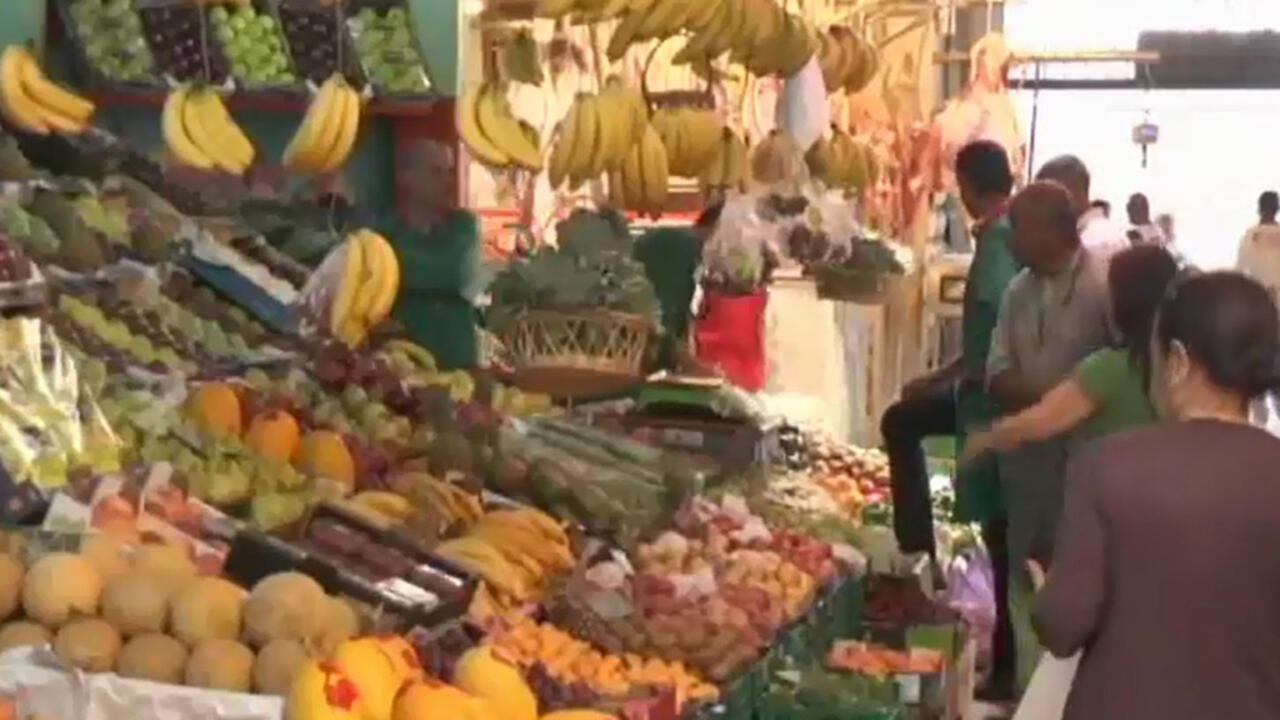
Moroccan markets have witnessed a notable increase in consumer goods prices after Eid al-Fitr, causing dissatisfaction among citizens who were hoping for financial relief following Ramadan. Union leaders have pointed out that current government policies have not been adequate to address this rising inflation, reflecting the growing economic challenges facing the country.
Event traders, who capitalize on holidays and occasions, have played a significant role in this increase, with prices of many essential goods rising to unprecedented levels. Reports indicate that prices have surged by as much as 20% for certain items, significantly impacting citizens' purchasing power.
Details of the Price Surge
In the days following Eid al-Fitr, Moroccans were surprised by the spike in prices of vegetables, fruits, and meats, which are staple items on Moroccan tables. Many traders confirmed that the high demand during the holiday period is the primary reason for this increase, as people seek to fulfill their celebratory needs.
On the other hand, union representatives have indicated that the government has not taken effective steps to monitor prices or support the most affected groups by inflation, exacerbating the suffering of low-income families. These union leaders have called for urgent measures to protect consumers from traders' exploitation.
Background & Context
This price increase is part of a broader economic crisis that Morocco is experiencing, characterized by a continuous rise in living costs over recent years. Multiple factors, including global inflation and rising raw material prices, have contributed to exacerbating this crisis.
Furthermore, the impact of the COVID-19 pandemic on the Moroccan economy has played a significant role in increasing economic pressures on households. As challenges mount, it has become crucial for the government to adopt effective policies to tackle these crises.
Impact & Consequences
This price increase directly affects citizens' lives, with many facing difficulties in meeting their basic needs. This situation may lead to widespread feelings of frustration and discontent among citizens, which could negatively impact social stability.
Additionally, the continued rise in prices may lead to a decline in consumption, adversely affecting the national economy as a whole. Under these circumstances, the government must take effective steps to ensure price stability and protect consumers.
Regional Significance
The price crisis in Morocco is part of a broader phenomenon affecting many Arab countries, where many are suffering from rising living costs due to global economic challenges. These crises have impacted social and political stability in some countries, necessitating coordinated efforts among Arab nations to address these challenges.
In conclusion, the current situation in Morocco requires urgent action from the government to ensure price stability and protect citizens from rising costs. Civil society and unions must also work together to advocate for more effective policies that safeguard consumer rights and improve living conditions.