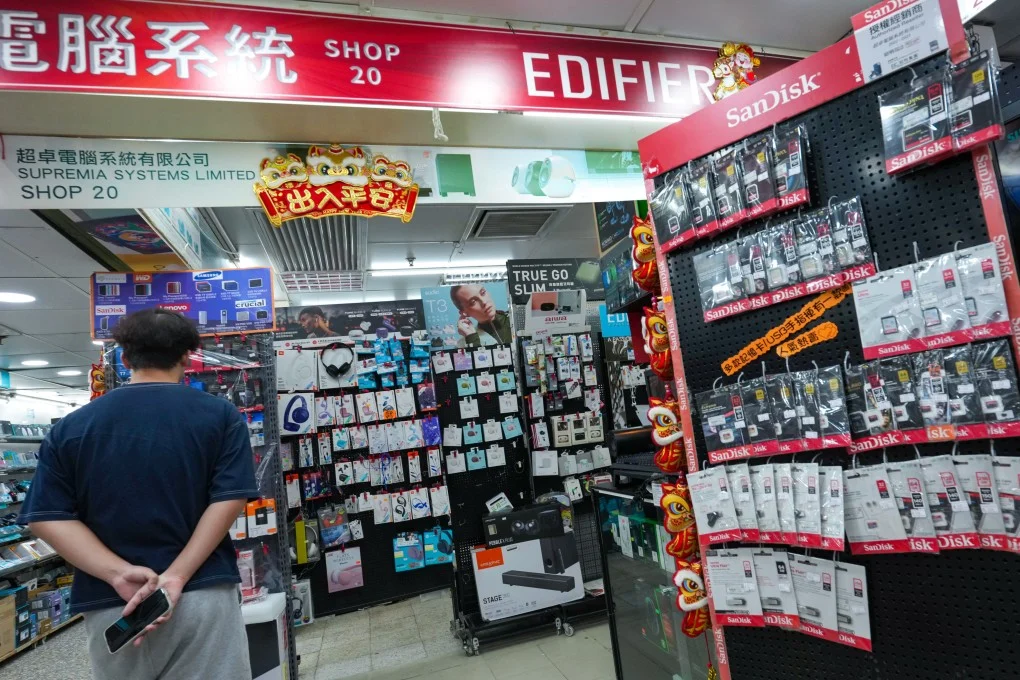
Hong Kong has recently witnessed a significant increase in the prices of memory cards and hard drives, raising concerns among both professional photographers and casual users. A professional SD card now costs up to HKD 3000 (approximately USD 383), tripling previous expectations.
The surprise was even greater when photographer Jacky Lau King Sang discovered that the prices of hard drives he had been purchasing for years to store his clients' images had also risen sharply. The price of a 16 terabyte hard drive jumped from HKD 1880 to HKD 3880. This rapid increase in prices puts additional pressure on photographers' budgets, making it difficult for them to continue providing services of the same quality.
Details of the Price Surge
This price increase comes at a time when the world is facing a supply chain crisis due to the repercussions of the COVID-19 pandemic and the war in Ukraine. These factors have led to a shortage of raw materials and increased shipping costs, directly impacting the prices of technological products. In Hong Kong, photographers like Jacky Lau are among the most affected, as they heavily rely on this equipment to meet their clients' needs.
Moreover, this price increase is not limited to Hong Kong; it extends to other markets around the world. Reports have shown that prices for memory cards and hard drives have risen in many countries, raising questions about the future of the technology industry.
Background & Context
Historically, the technology industry has experienced price fluctuations due to changes in supply and demand. However, the current price increase is unprecedented, as many manufacturers were not prepared for such a sudden rise. In recent years, the prices of memory cards and hard drives had been on a continuous decline, making them accessible to everyone. But the current situation reflects a radical shift in the market.
It is worth noting that Hong Kong is a major hub for trade and technology in Asia, and thus any changes in the market there can affect other markets. As prices continue to rise, consumers may seek cheaper alternatives, which could impact major manufacturers.
Impact & Consequences
The repercussions of rising prices extend beyond just affecting photographers' budgets. This increase may lead to reduced innovation in the technology industry, as companies may hesitate to invest more money in developing new products. Additionally, consumers may turn to older or lower-quality equipment, which could affect overall production quality.
Furthermore, this crisis may lead to increased demand for used products, potentially creating a new market for second-hand goods in Hong Kong and beyond. At the same time, these changes may increase competition among manufacturers, which could help lower prices in the long run.
Regional Significance
In the Arab region, this price increase may have similar effects. Many photographers and artists rely on modern technology in their work, and any increase in prices could affect their competitiveness. Arab markets may also face similar challenges in supply chains, leading to rising prices for technological products.
In conclusion, the rise in prices of memory cards and hard drives in Hong Kong reflects a broader crisis in the technology industry. As these trends continue, it will be important to monitor market developments and their impact on both consumers and manufacturers.