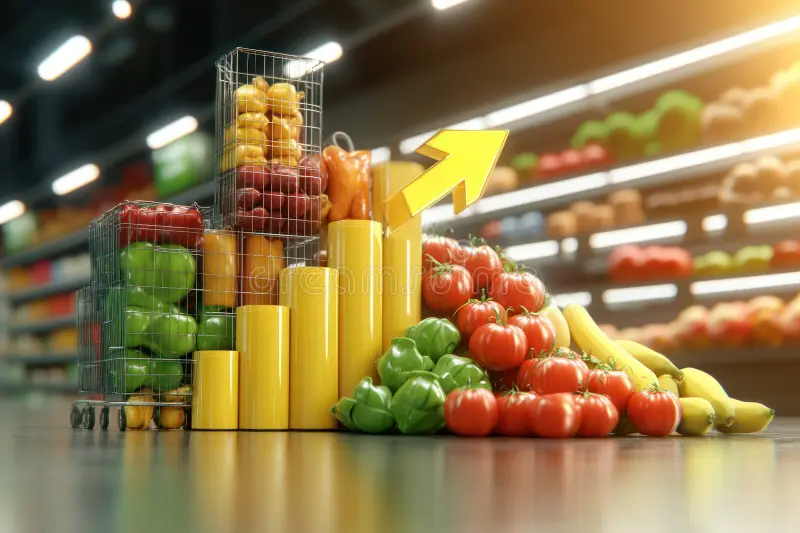
Prices of rice, flour, and essential goods in local markets saw a significant increase today, March 28, 2026, raising concerns among consumers about their purchasing power. This price change comes amid fluctuating economic conditions, with citizens facing increasing economic pressures.
Reports indicate that the price of rice has risen by 10% compared to last week, reaching 1500 EGP per ton. Similarly, the price of flour has also increased, now standing at 1200 EGP per ton. These increases occur at a time when the market is suffering from supply shortages due to global crises and the impacts of climate change.
Details of the Price Increase
This price increase is part of larger trends affecting the local market. Traders have noted that demand for rice and flour has surged significantly, leading to higher prices. Additionally, rising shipping costs and raw material prices have contributed to this increase, making it difficult for consumers to access essential goods at affordable prices.
Furthermore, reports have observed a rise in prices of other goods such as oils and sugar, adding to the burden on families already experiencing economic stress. This situation comes at a time when the government is seeking to take measures to curb inflation and ensure price stability in the markets.
Background & Context
Historically, local markets have experienced significant fluctuations in the prices of essential goods, especially amid global economic crises. The COVID-19 pandemic disrupted supply chains, affecting the availability of goods in the markets. Additionally, regional conflicts and political crises have exacerbated the situation, making it challenging for governments to achieve price stability.
In recent years, there have been attempts by the government to improve the economic situation by supporting farmers and increasing local production. However, challenges remain, necessitating effective strategies to ensure price stability and meet consumer needs.
Impact & Consequences
Increases in the prices of essential goods directly affect the purchasing power of citizens, leading to higher poverty rates and impacting quality of life. Under these circumstances, families may be forced to reduce their consumption of essential goods, which could lead to serious health and social repercussions.
Moreover, rising prices may lead to increased protests and public demands, putting additional pressure on the government. In this context, officials must take urgent steps to address these issues and provide necessary support to citizens.
Regional Significance
These price increases are not merely a local issue but have regional implications. Many Arab countries are facing similar economic problems, making regional cooperation essential to tackle these challenges. Rising prices could lead to increased migration and displacement, placing additional pressures on host countries.
Ultimately, the current situation requires a swift and effective response from governments to ensure price stability and protect citizens from the repercussions of economic crises. There must be clear strategies to support the most affected groups and achieve food security in the region.