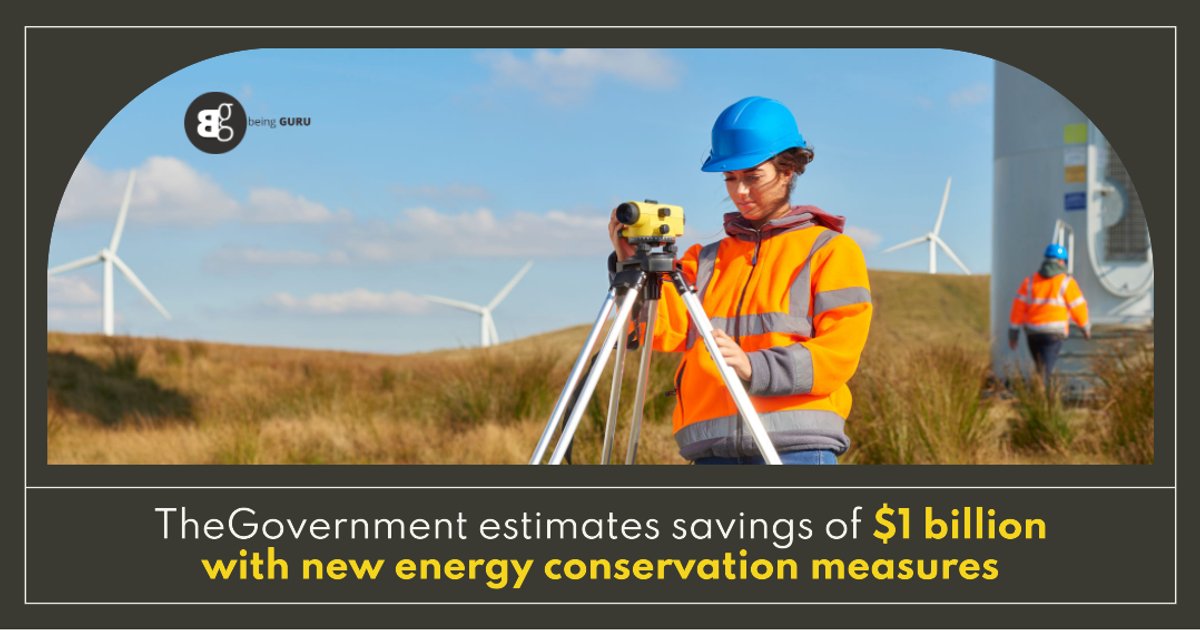
The Prime Minister has announced a set of new decisions aimed at conserving energy in the country, as part of the government's efforts to address current economic and environmental challenges. These decisions come at a time when the country is facing increasing pressure on its energy resources, necessitating effective steps to improve their efficiency.
The new decisions include multiple measures, such as enhancing the use of renewable energy and implementing new energy efficiency standards for buildings and public facilities. Awareness campaigns will also be launched to educate citizens about the importance of energy conservation and how to achieve it in their daily lives.
Details of the Decisions
The Prime Minister confirmed that these decisions are part of a comprehensive strategy aimed at achieving sustainable development. He noted that the government will provide technical and financial support for projects that contribute to improving energy efficiency. Timelines for implementing these decisions have been established, along with mechanisms for monitoring and evaluating the results.
Among the significant decisions, a special budget has been allocated to support renewable energy projects, such as solar and wind energy. Investments in this sector will also be encouraged through incentives for investors.
Background & Context
These decisions come amid increasing economic pressures facing the country, as officials seek to reduce reliance on traditional energy sources that contribute to environmental pollution. In recent years, energy prices have risen, negatively impacting the national economy.
Historically, the country has heavily relied on fossil fuels as its primary energy source, but with growing environmental awareness, the government has begun taking steps toward transitioning to renewable energy sources. These shifts align with global trends toward sustainability and reducing carbon emissions.
Impact & Consequences
These decisions are expected to improve energy consumption efficiency and reduce waste, positively impacting the national economy. They will also help lower costs for citizens and businesses, enhancing the country's competitiveness.
Additionally, promoting the use of renewable energy will contribute to creating new job opportunities in this sector, supporting economic growth and enhancing social stability.
Regional Significance
These steps are part of broader trends in the Arab region toward improving energy efficiency and enhancing sustainability. Many Arab countries face similar challenges in the energy sector, making regional cooperation in this area essential.
These decisions could serve as a model for other countries in the region, as they all strive to achieve sustainable development and reduce reliance on traditional energy sources.
In conclusion, these decisions represent a positive step toward achieving sustainable development goals and reflect the government's commitment to addressing current environmental and economic challenges.