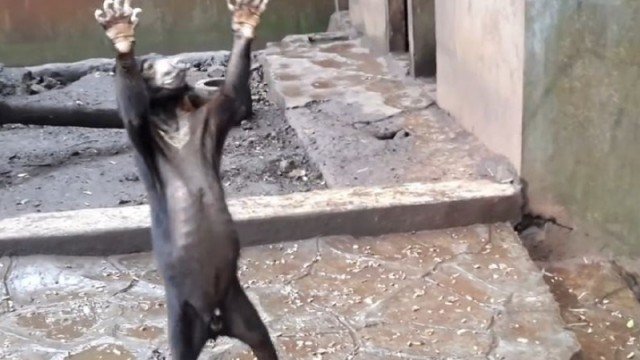
The Vice President of the West Java Parliament, Uno Surono, emphasized that rescuing animals at the Bandung Zoo must be a top priority following the deaths of two Bengal tigers, Horo and Hara, who were less than two months old. This heartbreaking incident raises questions about the management of the zoo and the conditions of the animals, necessitating immediate government intervention.
In statements made by Surono in Bandung, he called on the local government to take concrete steps to ensure the safety and care of the animals in the zoo. He pointed out that the incident is not merely a coincidence but rather a result of accumulated administrative issues and a lack of sufficient attention from the government, both at the central and local levels.
Details of the Incident
The deaths of the Bengal tigers, Horo and Hara, occurred under circumstances that raised alarm among animal rights activists and citizens. Surono noted that for a long time, there have been proposals to transfer the animals to other zoos, such as Ragunan Zoo or Surabaya Zoo, to ensure their safety, but no concrete steps have been taken in this direction.
He also added that while the central government has provided food for the animals, delays in the payment process have negatively impacted daily operations at the zoo. He stressed the need for improved coordination among various government agencies to ensure that the necessary care is provided to the animals.
Background & Context
Historically, the Bandung Zoo has been one of the prominent tourist attractions in the region, drawing visitors from across Indonesia. However, in recent years, the zoo has witnessed a noticeable decline in its management, leading to a deterioration in the level of care provided to the animals. The management of the zoo has been transferred to the central government, but no significant improvements in operations have been observed.
The zoo also faces challenges related to human resources, as many employees suffer from job instability and lack clarity in their financial situation. These conditions affect their ability to provide adequate care for the animals.
Impact & Consequences
The deaths of the tigers at the Bandung Zoo signify a larger crisis concerning wildlife management in Indonesia. Failure to take immediate action could exacerbate the situation, threatening the lives of more animals and increasing public discontent towards the zoo's management.
This incident may also negatively impact tourism in the area, as visitors may hesitate to visit a zoo that is clearly facing administrative issues. Improving the management of the zoo is not only a humanitarian necessity but is also vital for maintaining the region's reputation as a tourist destination.
Regional Significance
This issue highlights the importance of wildlife protection, a concern that resonates with many Arab countries facing similar challenges in managing zoos and nature reserves. Raising awareness about the importance of preserving animals and their natural habitats can contribute to improving environmental conditions in the region.
In conclusion, local and central governments in Indonesia must take urgent steps to ensure the safety of animals at the Bandung Zoo and improve working conditions for its staff. Protecting wildlife is not merely a local responsibility but a humanitarian issue that requires international cooperation.