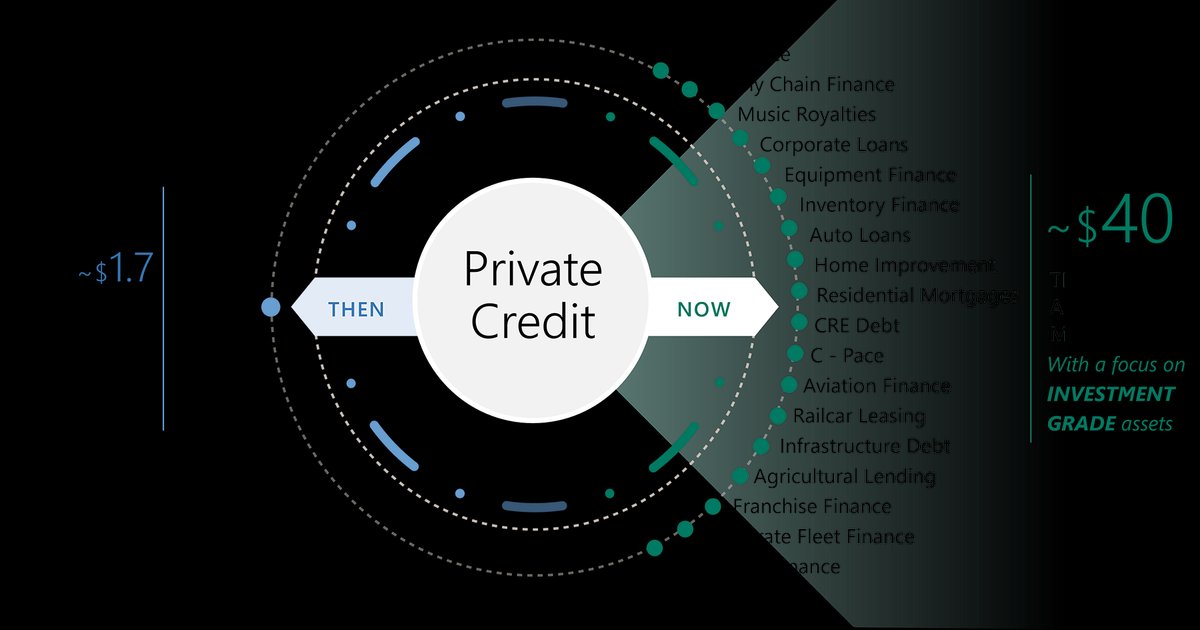
The private credit industry is grappling with substantial challenges amid a wave of redemptions and disruptions affecting financial markets. In this context, the industry has begun to adopt securitization, a traditional method well-known on Wall Street, aimed at raising additional cash liquidity. This step reflects the urgent need for companies to secure their investments in the face of unstable economic conditions.
These moves come at a time when investors are under increasing pressure due to fluctuations in financial markets, with many seeking to withdraw their funds from private credit funds. As redemption requests rise, it has become essential for companies to explore new ways to enhance their liquidity and ensure the continuity of their operations.
Securitization Process Explained
Securitization is a financial process that allows companies to convert financial assets into tradable securities. Through this process, companies can raise funds from investors by selling these securities, providing them with the necessary liquidity to tackle current challenges. Given the current circumstances, it seems that the private credit industry is leaning towards strengthening this method as an effective means of securing financing.
The securitization process involves pooling a set of assets, such as loans or receivables, and then issuing securities backed by these assets. This allows companies to distribute risk and increase their attractiveness to investors, making it easier for them to raise funds when needed.
Background & Context
Historically, the private credit industry has experienced significant growth over the past few years, becoming a popular choice for investors seeking high returns. However, the current economic challenges, including rising interest rates and inflation, have increased pressures on this industry. In recent years, we have also witnessed changes in investor behavior, with many becoming more cautious in their investments.
Under these circumstances, the shift towards securitization is a strategic move aimed at enhancing the financial stability of companies. This process may also help improve investor confidence in the private credit industry, potentially leading to increased capital inflows in the future.
Impact & Consequences
This step is significant not only for the private credit industry but also for financial markets in general. By enhancing liquidity, the securitization process can help stabilize markets and reduce volatility. Furthermore, this shift may lead to improved financial conditions for companies, contributing to economic growth.
Moreover, these moves could spur innovation in the finance industry as companies seek new ways to attract investors. This could lead to the development of new financial products that meet the needs of investors in changing economic conditions.
Regional Significance
In the Arab region, this development may have noticeable impacts on credit and investment markets. With increasing interest in investing in financial assets, Arab markets may also witness similar trends towards securitization as a means of raising funds. This could enhance the ability of Arab companies to adapt to economic challenges and increase the region's attractiveness to foreign investors.
In conclusion, the private credit industry's adoption of securitization represents an important strategic step in light of current economic conditions. These moves are expected to positively influence financial markets, contributing to enhanced stability and growth in the future.