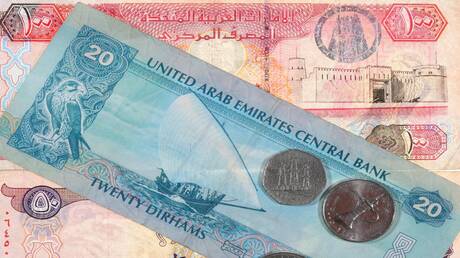
A recent survey revealed that the private non-oil sector in the UAE experienced its slowest growth in March in nearly four years, impacted by the repercussions of conflicts in the Middle East that negatively affected demand. The data shows that this slowdown reflects significant challenges facing the UAE economy, which is increasingly relying on economic diversification away from oil.
These results are an important indicator of the overall economic condition in the UAE, as the slow growth in the non-oil sector reflects external influences that may impact investments and market demand. The survey indicated that many companies reported a decline in new orders, raising concerns about the sustainability of growth in the near future.
Details of the Event
According to the survey conducted, the Purchasing Managers' Index (PMI) in the UAE recorded a notable decline, dropping to its lowest level since 2020. This decline reflects a decrease in business activity, as companies reported difficulties in securing new orders, leading to reduced production and layoffs in some sectors.
The survey also indicated that companies are facing increasing pressures due to rising raw material costs, which further complicates their ability to maintain profit margins. Collectively, these factors indicate that the private non-oil sector in the UAE may face greater difficulties in the future if these trends continue.
Background & Context
The UAE is considered one of the leading non-oil economies in the Gulf region, as the government has sought to diversify the economy away from oil dependency. However, regional events, including political and economic conflicts, significantly affect economic activity in the country.
In recent years, the UAE has witnessed remarkable growth in non-oil sectors such as tourism, trade, and services. However, current challenges indicate that this growth may slow down, requiring a swift response from the government and the private sector to adapt to changing conditions.
Impact & Consequences
The potential repercussions of this slowdown in growth are numerous, as it could lead to a decline in both foreign and domestic investments, adversely affecting job opportunities and economic growth. Additionally, reduced demand may lead to decreased production, increasing pressures on companies and affecting market stability.
Moreover, this situation may increase pressures on the government to provide support and assistance to the affected sectors, which may require a reassessment of current economic policies. If these trends persist, the UAE may face greater challenges in achieving its long-term economic goals.
Regional Significance
The UAE serves as a role model in the region in terms of economic diversification, and any decline in its growth may impact neighboring countries that aspire to achieve similar goals. Furthermore, economic challenges in the UAE could contribute to increased pressures on regional markets, potentially leading to a decline in investment confidence in the area.
Under these circumstances, other Arab countries should learn from the UAE's experience and work to strengthen their local economies and develop effective strategies to address the increasing economic challenges.
The slow growth in the private non-oil sector in the UAE serves as a wake-up call, requiring all stakeholders to take effective steps to ensure sustainable growth and achieve the desired economic objectives.