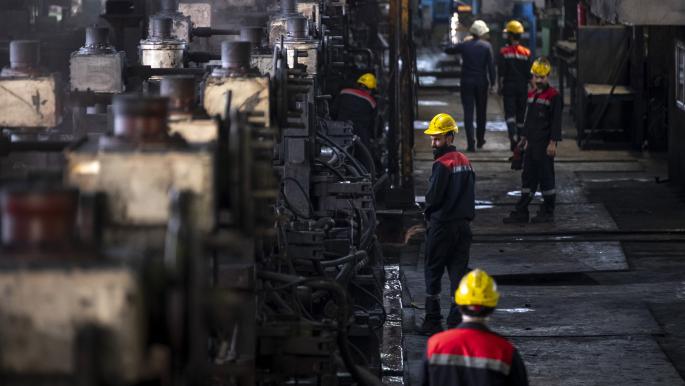
Iranian media reports indicate that production lines at the Khuzestan Steel Complex have ceased operations following Israeli attacks on Friday. This incident raises concerns about its impact on the Iranian industry amid increasing economic crises.
The Khuzestan Steel Complex is considered one of the largest steel manufacturing plants in Iran and plays a crucial role in the Iranian economy. The halt in production at this complex could lead to significant economic repercussions, especially given the sanctions imposed on Iran.
Details of the Incident
The attacks targeting the Khuzestan Steel Complex occurred at a time when relations between Iran and Israel are increasingly tense. Sources reported that the attacks resulted in severe damage to the production lines, leading to a complete shutdown of operations at the complex. This is not the first incident of its kind, as other Iranian facilities have previously faced similar attacks.
The Iranian authorities have yet to issue an official statement regarding the extent of the damages or plans for compensation, raising concerns among workers at the complex and investors in the sector. There are also fears that these attacks could lead to military escalation in the region.
Background & Context
Historically, Iranian-Israeli relations have been marked by ongoing tensions, with Israel viewing Iran as a threat to its national security. In recent years, Israel has intensified its attacks on Iranian facilities, particularly those linked to the nuclear program. These attacks are part of an Israeli strategy aimed at undermining Iran's military capabilities.
On the other hand, Iran is grappling with a crippling economic crisis due to international sanctions, complicating the economic situation in the country. The halt in production at the Khuzestan Steel Complex may increase pressure on the Iranian government, which is struggling to improve the economic situation.
Impact & Consequences
The cessation of production at the Khuzestan Steel Complex could lead to increased unemployment in the region, as many workers rely on this complex as their primary source of income. The economic impacts may extend to other sectors, such as construction, which depends on Iranian steel.
Politically, this incident could escalate tensions between Iran and Israel, increasing the likelihood of new conflicts in the region. Additionally, these attacks may provoke responses from the Iranian government, further complicating the security landscape in the Middle East.
Regional Significance
The events in Iran have a direct impact on the Arab region, as any military escalation could affect the stability of neighboring countries. Moreover, the tensions between Iran and Israel could lead to increased divisions in the region, complicating peace and stability efforts.
Furthermore, the economic crises in Iran may affect Arab markets, particularly in energy and trade sectors. Therefore, monitoring developments in Iran is vital for Arab nations.
In conclusion, the halt in production at the Khuzestan Steel Complex represents a significant event that requires careful monitoring, as its repercussions may extend across multiple domains, both economically and politically. The situation in Iran demands special attention from the international community, especially amid rising tensions in the region.