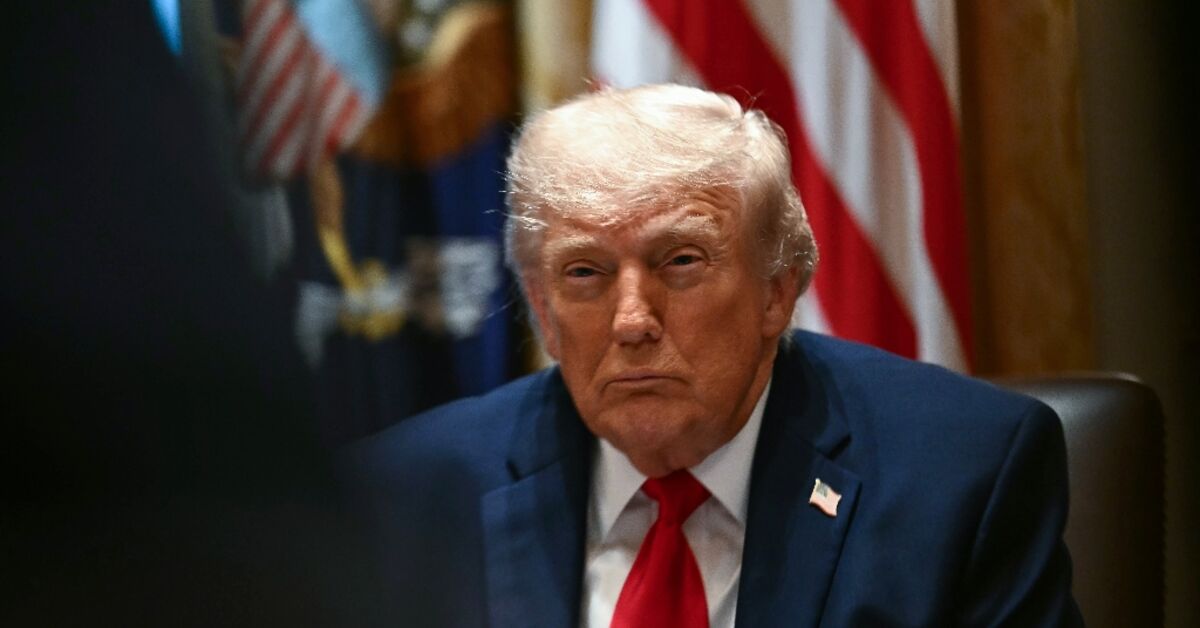
US sources report that the United States and Iran are close to reaching a framework for extending the ceasefire, but President Donald Trump has yet to approve any agreement. According to sources within the US government, a memorandum of understanding has been established to extend the truce for 60 days.
In statements made by US Vice President JD Vance, he noted that Trump, who remained silent throughout the day, has not yet signed the agreement. No immediate reactions have been issued from the Iranian side, raising questions about Tehran's stance on these developments.
Details of the Event
This negotiation comes at a highly sensitive time for US-Iran relations, as both sides seek to stabilize the region after years of escalating tensions. The United States has shown a willingness to make certain concessions within the framework of these negotiations, while Iran aims to secure its security and economic interests.
This progress is seen as a positive step towards calming the situation in the region, which has witnessed a rise in armed conflicts in recent years, adversely affecting regional security. This development reflects both parties' desire to avoid further military escalation.
Background & Context
The history of US-Iran relations is fraught with tensions, beginning with the Islamic Revolution in 1979. Since then, the United States has imposed strict economic sanctions on Iran, exacerbating the country's economic situation.
Over the years, several US administrations have attempted to reach an agreement with Iran, but to no avail. However, reaching a ceasefire agreement could represent a new beginning in relations between the two countries and provide hope for achieving lasting peace in the region.
Impact & Consequences
If a formal agreement to extend the ceasefire is reached, it could have significant implications for the situation in the Middle East. This may lead to a reduction in military tensions, contributing to regional stability and enhancing opportunities for dialogue among various nations.
Additionally, this agreement could pave the way for broader negotiations covering other issues such as the Iranian nuclear program, potentially improving relations between Iran and Western countries.
Regional Significance
The neighboring Arab countries of Iran and the United States are directly concerned with these negotiations, as any escalation in conflict could negatively impact their security and stability. Therefore, the success of these negotiations could enhance regional security and reduce the risks faced by Arab nations.
In conclusion, this development represents a historic opportunity for both sides to rebuild trust and achieve peace, which could positively reflect on the overall situation in the region.