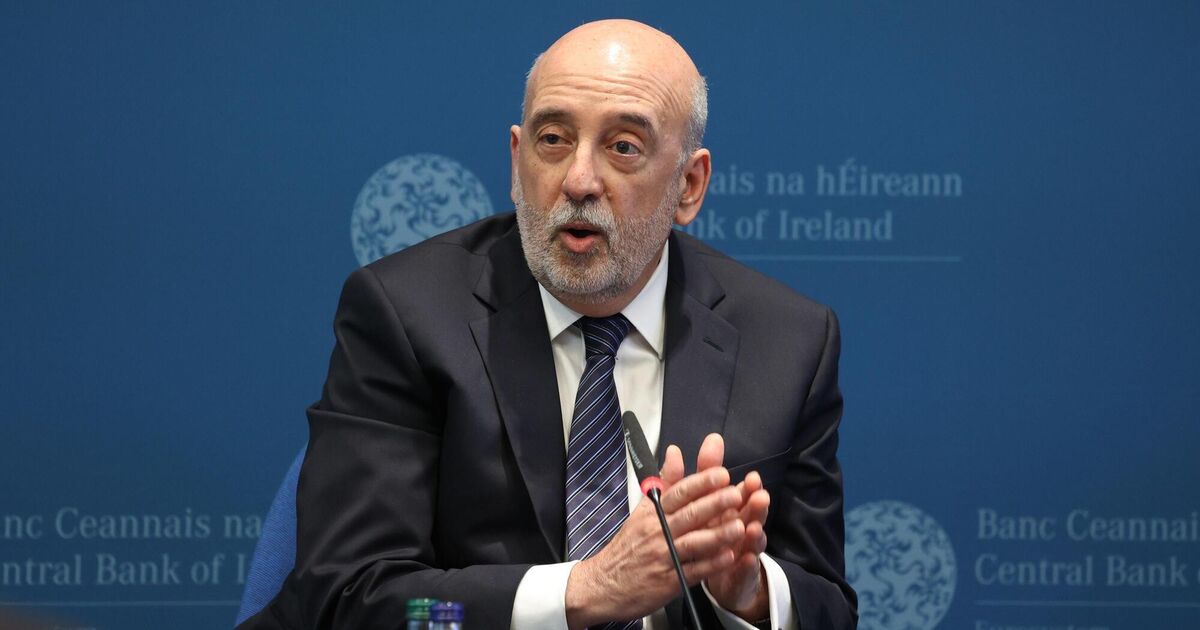
Gabriel Makhlouf, a member of the European Central Bank's board, has stated that the ongoing armed conflict in the Middle East could push the European economy towards more negative scenarios than those outlined in last month's forecasts. These remarks come at a sensitive time as the global economy grapples with multiple repercussions from geopolitical crises.
These statements arise amid growing concerns about the impact of ongoing conflicts in the region on economic stability in Europe, where many European countries rely on importing energy and resources from the Middle East. Makhlouf pointed out that the continuation of the war could exacerbate inflationary pressures and increase the cost of living, negatively affecting economic growth.
Details of the Situation
Concerns are mounting that the ongoing conflict in the Middle East, which has escalated recently, could adversely affect the European economy. Makhlouf noted that the baseline scenario established last month may not be sufficient to address the potential challenges arising from the continuation of the war. Instead, policymakers in Europe may need to prepare for the worst-case scenarios that could require swift and effective responses.
Makhlouf also emphasized the importance of taking proactive measures to mitigate the potential impact of the conflict on the European economy. These measures could include enhancing cooperation among EU member states and developing new strategies to ensure the stability of financial markets.
Background & Context
Historically, the Middle East has witnessed numerous armed conflicts that have had far-reaching effects on the global economy. Since the beginning of the new millennium, there have been several wars and conflicts in the region, leading to significant fluctuations in oil and gas prices, which directly impact the European economy. The European Union heavily relies on energy imports from this region, making its economic stability closely tied to political events in the Middle East.
In recent years, the region has seen an escalation in conflicts, including the wars in Syria and Yemen, as well as tensions between Iran and Gulf states. These events have increased uncertainty in financial markets, prompting the European Central Bank to take proactive steps to maintain economic stability.
Impact & Consequences
If the war in the Middle East continues, it could exacerbate economic crises in Europe. Energy prices are expected to rise further, increasing inflationary pressures and affecting citizens' purchasing power. This may also lead to higher unemployment rates in some European countries, negatively impacting social stability.
Furthermore, financial markets could be significantly affected, leading to unexpected fluctuations in stock and bond prices. This requires the European Central Bank to take swift actions to ensure market stability and protect the economy from potential crises.
Regional Significance
Given the current situation, the ongoing conflict in the Middle East not only impacts the European economy but also has direct repercussions for Arab countries. Increased tensions could exacerbate humanitarian crises in the region, necessitating urgent international responses. Additionally, the economic impact may extend to Arab countries that rely on trade with Europe, potentially leading to a slowdown in economic growth in these nations.
In conclusion, it is clear that the continuation of the conflict in the Middle East poses a significant challenge not only for the countries involved but also for the global economy as a whole. It is crucial for European and Arab nations to collaborate to mitigate the potential impact of these crises.