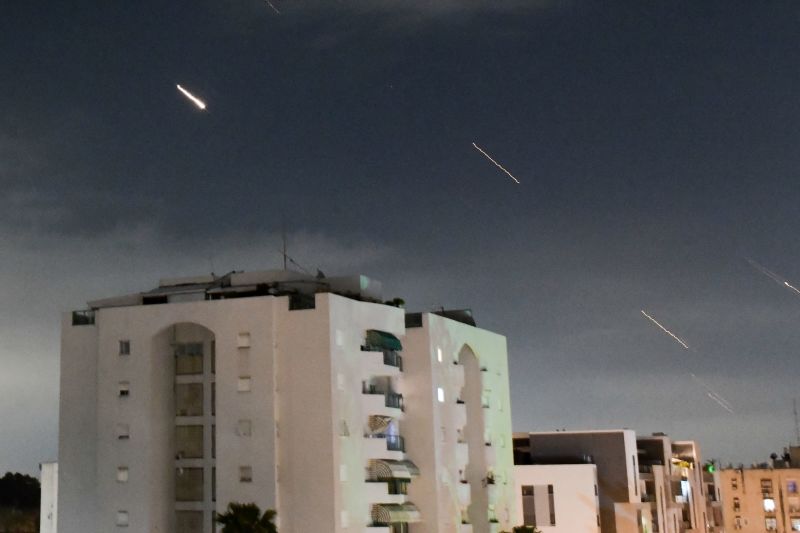
The Iranian real estate market has recorded a notable increase in prices, with rises between 2% and 15% since the outbreak of the war. This surge comes at a sensitive time as investors seek to assess the risks associated with the ongoing conflict.
Property prices are directly affected by political and economic events, and reports indicate that major real estate firms have begun adjusting their prices to meet market changes. These increases may impact citizens' ability to purchase homes, thereby increasing economic pressures on families.
Details of the Price Increases
According to sources, major real estate companies have started to gradually raise prices, with increases varying by region and project. Some areas have seen larger increases due to rising demand for properties, while others have experienced smaller hikes.
These price hikes are part of the market's response to political changes, as developers strive to protect their investments amid unstable conditions. There are also concerns that these increases could exacerbate the housing crisis in the country.
Background & Context
Historically, Iran has experienced economic fluctuations due to political conflicts and economic sanctions. The current war recalls previous crises that affected the Iranian economy, including the real estate market. In recent years, there have been attempts to improve the economic situation, but the current conflict may hinder these efforts.
Data shows that the real estate market was struggling before the war broke out, making the current price increase surprising to many. The impact of the conflict on the Iranian economy could be long-lasting, necessitating special attention from the government and investors.
Impact & Consequences
The rise in property prices may worsen living conditions for citizens, as many face difficulties securing adequate housing. This could increase poverty rates and affect social stability in the country.
Moreover, these increases may deter foreign investments, as investors might hesitate to enter a market plagued by instability. Such conditions are likely to lead to a general decline in economic activity, impacting all sectors.
Regional Significance
The increase in property prices serves as an indicator of the economic effects stemming from the conflict, highlighting the need for government and investor attention. The situation demands a strategic response to mitigate the adverse impacts on the housing market and the broader economy.
In conclusion, the current trends in the Iranian real estate market underline the intricate relationship between political events and economic stability, emphasizing the importance of proactive measures to address the challenges ahead.