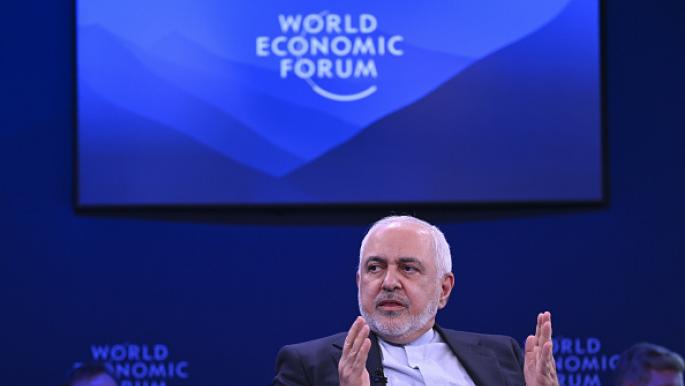
Iranian Foreign Minister Mohammad Javad Zarif's proposal to reach an agreement with the United States aimed at ending the war in the region has attracted considerable interest in some international circles. However, it has been met with severe criticism from certain political and media figures within Iran.
These developments come at a time when Iranian-American relations are under ongoing tension, with increasing pressures on Iran due to the economic sanctions imposed on it. Some have considered Zarif's proposal a historic opportunity for a peaceful resolution, while others view it as an unacceptable concession.
Details of the Proposal
In recent statements, Zarif called for direct talks with Washington, indicating that such dialogue could help alleviate military tensions in the region. This proposal has been welcomed by some Western countries, which see it as a positive step towards achieving stability in the Middle East.
However, this proposal has faced sharp criticism from certain political circles in Iran, where some consider it an acknowledgment of American hegemony. Several lawmakers have expressed their rejection of the proposal, emphasizing the need to maintain national sovereignty and not succumb to external pressures.
Background & Context
Historically, Iranian-American relations have experienced numerous fluctuations, beginning after the Islamic Revolution in 1979, which led to the severance of diplomatic relations between the two countries. Since then, tensions have escalated, especially following the imposition of economic sanctions on Iran due to its nuclear program.
In recent years, some European countries have attempted to mediate between Iran and the United States, but these efforts have not yielded tangible results. Zarif's proposal comes in the context of new attempts to revive dialogue, particularly with growing concerns over escalating military conflicts in the region.
Impact & Consequences
If Zarif's proposal is accepted, it could lead to a radical change in the political dynamics of the region. An agreement could help ease military tensions, allowing for the rebuilding of relations between Iran and Western countries, thereby improving the economic situation in the country.
However, internal rejection of this proposal may hinder any potential progress. The internal political challenges in Iran could exacerbate the situation, making it difficult to achieve any advancement in negotiations.
Regional Significance
Zarif's proposal represents a potential turning point in Iranian-Arab relations. If an agreement is reached, it could lead to a reduction in tensions between Iran and Arab countries, especially those experiencing ongoing conflicts such as Yemen and Syria.
Moreover, the stabilization of Iranian-American relations could open the door for greater cooperation between Iran and Arab countries in various fields, such as economics and security, benefiting the peoples of the region.
In conclusion, the fate of Zarif's proposal hangs in the balance between international welcome and internal criticism, highlighting the significant challenges Iran faces in its pursuit of peace and stability in the region.