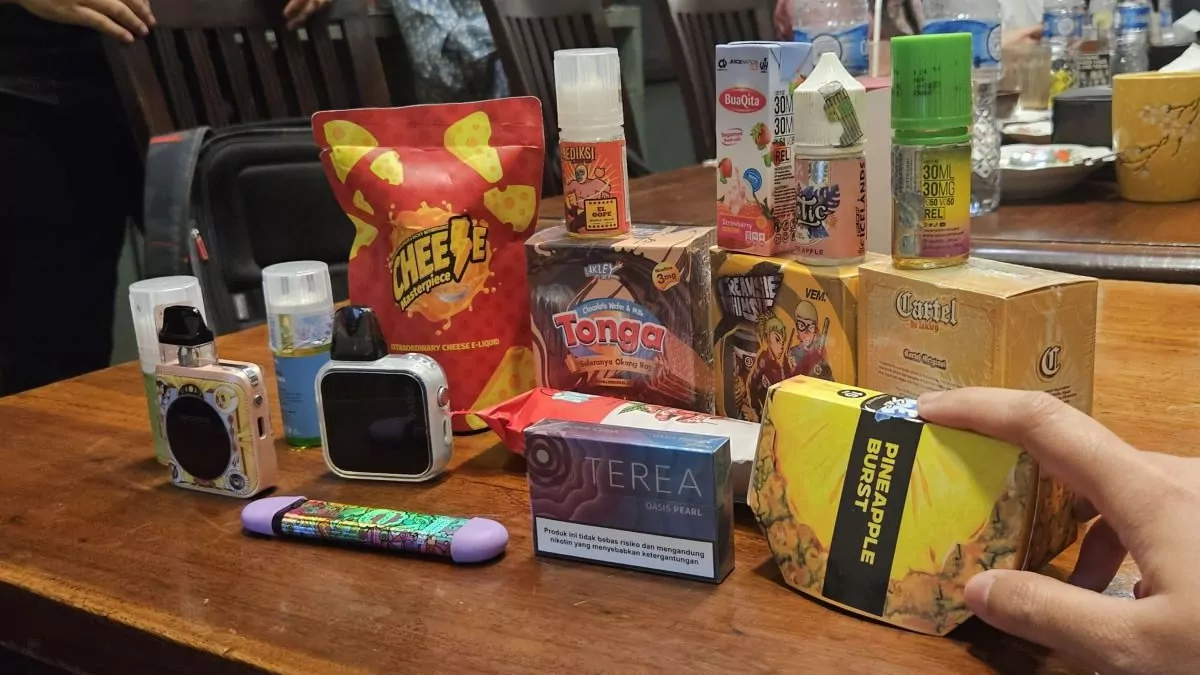
In a bold move to address the escalating drug crisis, the head of Indonesia's National Narcotics Agency, Suwiyadi Aryo Seto, has proposed a ban on the use of e-cigarettes or vaping devices as part of a new drug and psychoactive substances bill. This proposal was made during a meeting with the legal affairs committee in the Indonesian parliament, where Seto highlighted the widespread phenomenon of drug use, particularly in the form of liquids used in vaping devices.
Seto explained that several countries in the ASEAN region, such as Vietnam, Thailand, Singapore, Brunei, and Laos, have taken similar steps to ban the circulation of e-cigarettes, reflecting growing concerns about the health and social risks associated with these products.
Details of the Proposal
During the meeting, Seto presented the results of a study conducted by the National Narcotics Agency on 341 samples of vaping liquids, which revealed that 11 samples contained synthetic cannabinoid compounds, one sample contained methamphetamine, and 23 samples contained etomidate, a narcotic substance. These findings raise significant concerns about the use of vaping as a new method for consuming drugs.
Seto noted that the rapid evolution of narcotic substances poses a major challenge, with 1,386 new psychoactive substances identified globally, while 175 types of these substances have been identified in Indonesia. These figures indicate an urgent need for effective measures to combat this phenomenon.
Background & Context
Historically, Indonesia has witnessed a notable increase in drug use, prompting the government to take stringent measures to combat this issue. With the rising popularity of e-cigarettes, it has become essential to assess the risks associated with them, especially in light of evidence suggesting their use as a means of drug consumption.
In recent years, e-cigarettes have become popular among youth, raising concerns about their impact on public health. Previous studies have shown that vaping may contain harmful substances that negatively affect health, reinforcing the need for stricter regulation of this market.
Impact & Consequences
If the proposal to ban e-cigarettes is implemented, it is likely to have a significant impact on the vaping market in Indonesia. This ban could help reduce the spread of narcotic substances used in these devices, contributing to the protection of youth and society as a whole.
However, this proposal may face resistance from some manufacturers and distributors, who may view this ban as a threat to their businesses. Therefore, it will be important for the government to adopt effective strategies to communicate with all stakeholders to ensure the success of this ban.
Regional Significance
The issue of drugs and e-cigarettes is a global concern affecting many countries, including those in the Arab region. Given the increasing drug use in the region, Indonesia's experience could serve as a model for drug control efforts.
Arab countries should consider the lessons learned from this proposal and work to develop effective strategies to address drug challenges, including regulating the e-cigarette market.