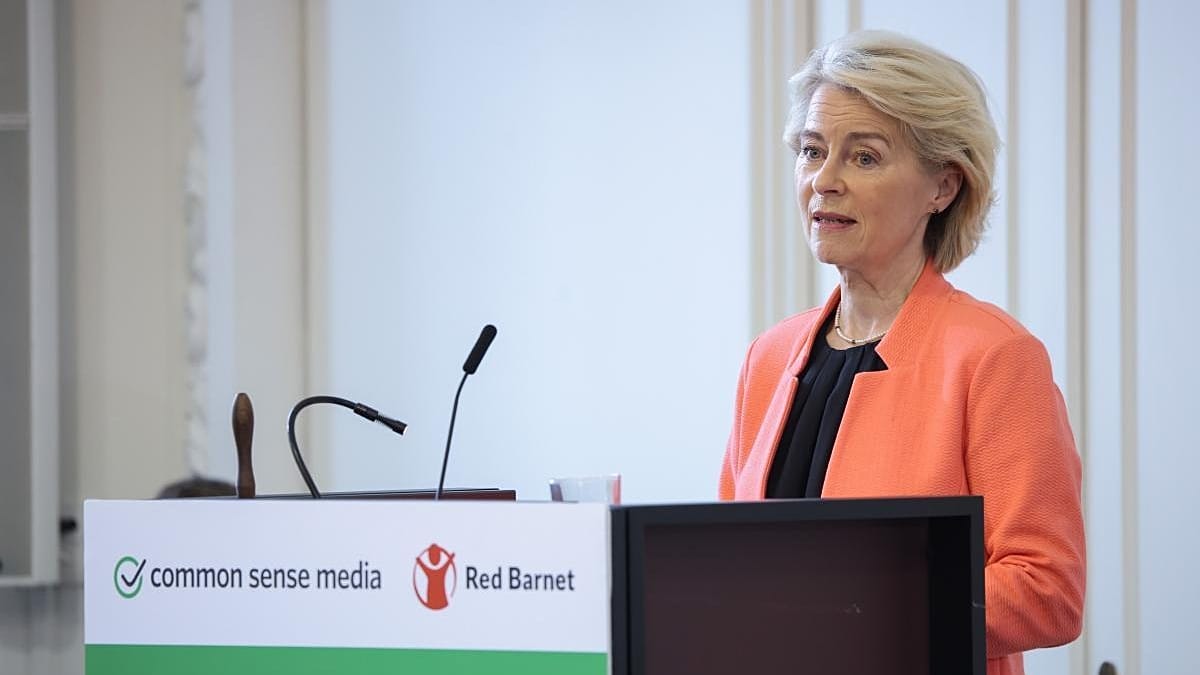
In a move aimed at bolstering the protection of children online, European Commission President Ursula von der Leyen announced that the European Union may propose a comprehensive ban on social media for children across all member states. This announcement comes at a time when concerns are rising about the impact of digital platforms on children's mental health and behavior.
Calls for stricter controls are increasing, with countries such as France, Spain, Greece, and Denmark leading the push for measures aimed at protecting children from what governments describe as addictive online platforms. Von der Leyen stated during the AI and Children Summit in Copenhagen that technology is evolving at a rapid pace, affecting all aspects of childhood and adolescence.
Details of the Proposal
Several countries in the EU are currently working on national legislation, although Brussels faces pressure to maintain a unified approach across the single market. The European Commission has established an independent expert committee to assess potential measures aimed at addressing issues such as addiction and social anxiety among children.
Von der Leyen indicated that we must consider delaying children's use of social media, adding that based on the committee's findings, a legal proposal could be presented this summer. This timing may allow Brussels to advance ahead of new French legislation expected to take effect in September, which will require platforms like Instagram and TikTok to ban users under the age of fifteen and suspend existing accounts.
Background & Context
The issue of protecting children online is a pressing concern in the digital age, as fears grow regarding the negative impacts of excessive social media use. In recent years, studies have shown that children and teenagers who spend long hours on these platforms may suffer from psychological issues such as anxiety and depression.
Many countries, including Australia and Indonesia, are seeking to impose similar restrictions on children's use of social media, reflecting a global trend towards enhancing digital protection for children. Brussels has also scrutinized platforms like Instagram and Snapchat under the Digital Services Act, due to concerns about their inability to adequately protect minors.
Impact & Consequences
If these measures are implemented, they could have a significant impact on how children use social media. Platforms are expected to require an age verification system to ensure that only users above a certain age can access their services, which could radically change the way children interact with these platforms.
This step is part of broader efforts to improve digital safety for children, but it may face challenges related to privacy and technical security.
Regional Significance
The proposed ban highlights the urgent need for regulatory frameworks that prioritize children's safety in the digital landscape. As social media continues to evolve, the EU's approach could set a precedent for other regions grappling with similar issues.
In conclusion, the potential ban on social media for children in the EU represents a critical step towards safeguarding young users in an increasingly digital world, emphasizing the importance of proactive measures in protecting their well-being.