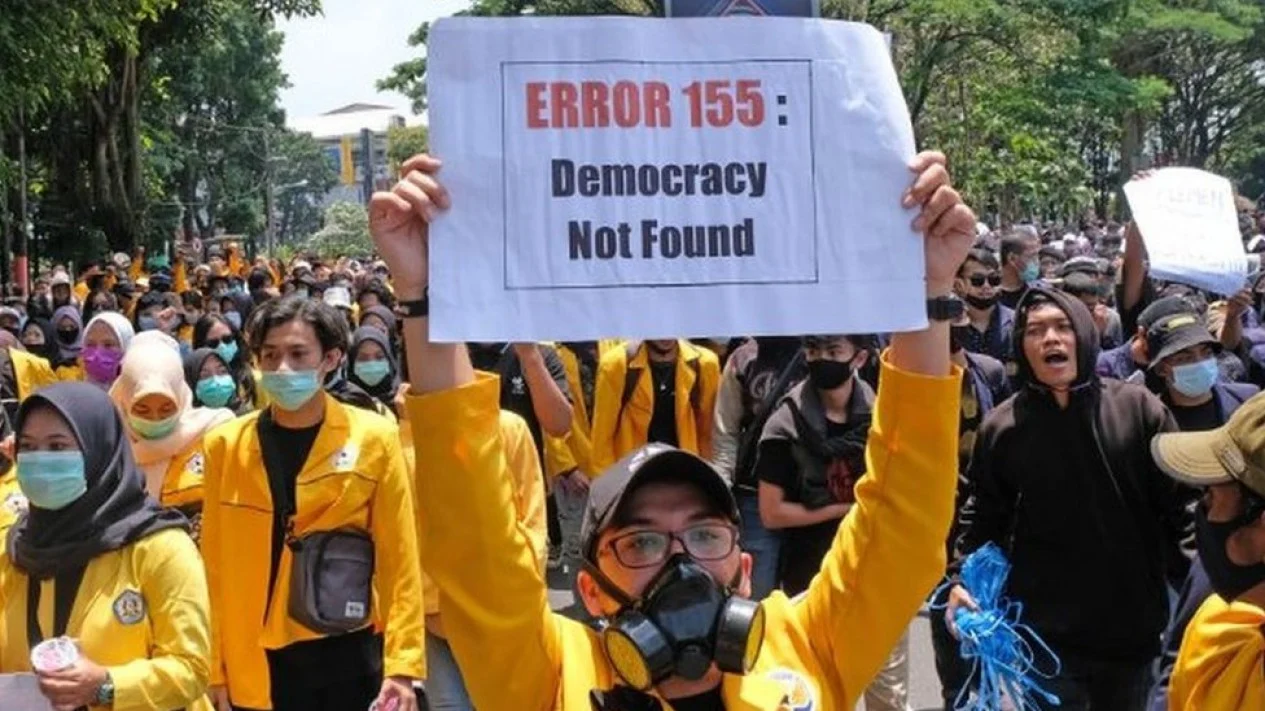
In a new initiative to enhance religious freedom, Indonesian Human Rights Minister Natalias Pigai proposed the establishment of a dedicated law focusing on the protection of religious practices during a meeting with the Indonesian Parliament (DPR). This proposal arises at a time when Indonesia is witnessing an increase in incidents of religious intolerance, necessitating effective legal intervention.
During the meeting held at the parliamentary complex in Senayan, Pigai emphasized the importance of this law, noting that discussions had taken place with Minister of Religious Affairs Nashiruddin Umar. He also mentioned that there are ongoing discussions regarding the naming of the law, with Umar suggesting it be titled "Protection of Religions" instead of "Freedom of Religions." Pigai clarified that this discussion is still in its early stages and that reaching a consensus may take some time.
Details of the Initiative
This initiative comes amid rising incidents of violence and religious intolerance in Indonesia, where several cases have been reported concerning the prohibition of religious practices for certain sects. Pias Layar, a member of the parliamentary committee, pointed out that these incidents often lead to property destruction and acts of violence that affect individuals both physically and psychologically.
The meeting also addressed the issue of the closure of places of worship belonging to the Christian group "POUK" in the Teluk Naga area, which was shut down after Good Friday services. This closure sparked strong reactions from parliament members, with Edison Sitorus emphasizing the importance of ensuring religious freedom for all citizens, regardless of their faith.
Background & Context
Historically, Indonesia has faced challenges related to religious diversity, as the country is home to a wide array of religions and cultures. However, some religious groups encounter difficulties in practicing their rituals freely. The right to religious freedom has been enshrined in the Indonesian constitution since 1945, making it essential to reinforce this right under current circumstances.
It is noteworthy that Indonesia, which is considered the largest Muslim-majority country by population, faces challenges in managing religious diversity. In recent years, the country has seen a rise in incidents of intolerance, necessitating effective measures to protect individual rights.
Impact & Consequences
If this law is adopted, it could have a significant impact on promoting religious freedom in Indonesia. It is expected to contribute to reducing incidents of religious intolerance, thereby enhancing peaceful coexistence among various sects. Additionally, it may help improve Indonesia's image on the international stage as a country that respects human rights.
However, the greatest challenge remains how to implement this law effectively and ensure that the rights of all religions are respected. This requires collaboration between the government and civil society to achieve the desired objectives.
Regional Significance
The issue of religious freedom is also significant in the Arab world, where some countries face similar challenges related to religious diversity. Enhancing religious freedom in Indonesia could serve as a model for the region, fostering dialogue among different cultures and religions.
Ultimately, there is hope that this initiative will contribute to tangible progress in the field of human rights, positively impacting social stability in Indonesia.