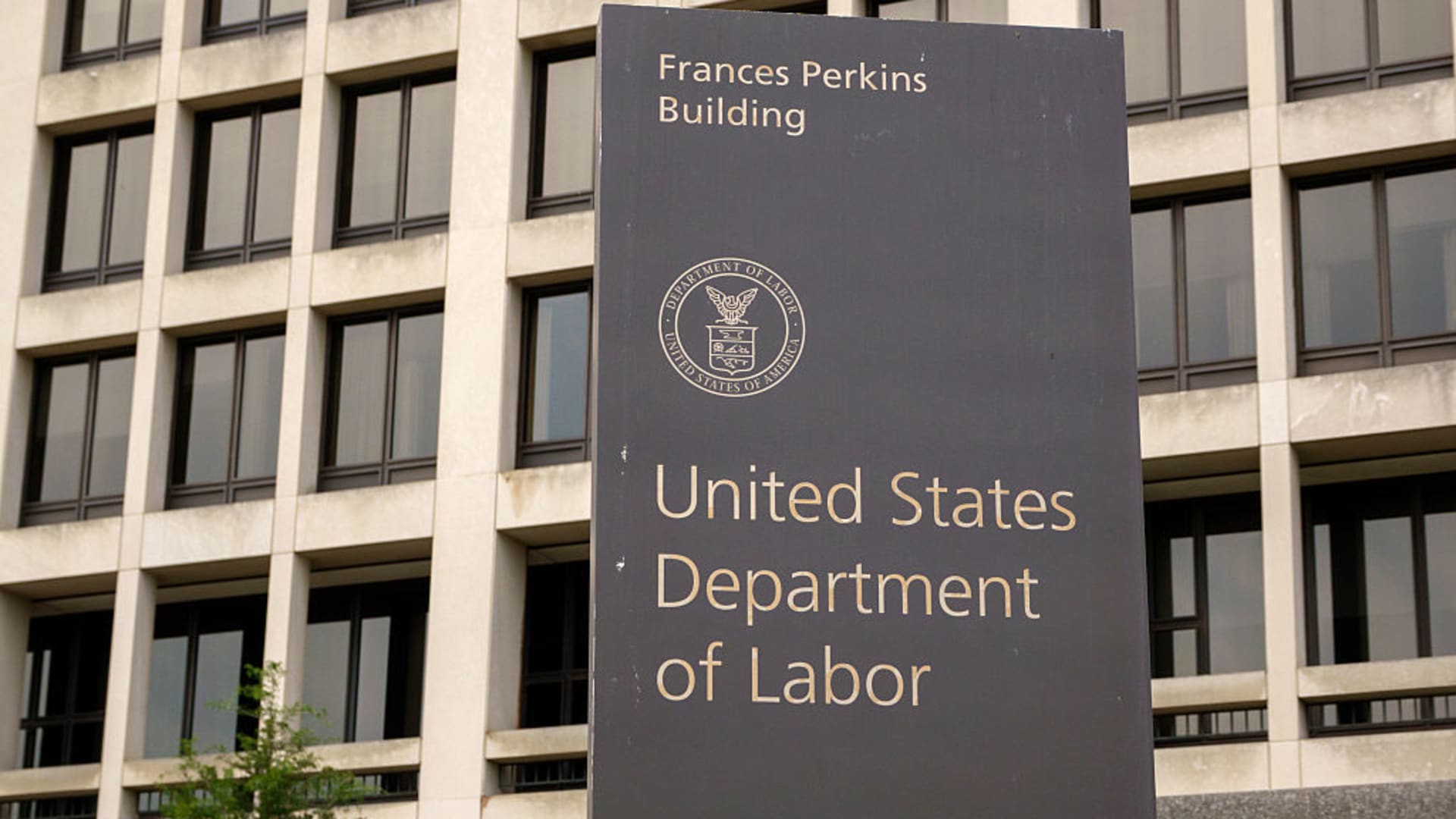
The U.S. Department of Labor has announced a proposal for new rules regarding the inclusion of alternative assets in 401(k) retirement accounts. This proposal aims to empower retirement plan providers and trustees to expand the investment options available to investors, potentially contributing to increased returns on retirement savings.
Alternative assets encompass a wide range of investments, including real estate, cryptocurrencies, and private equity. This move comes at a time when interest in alternative assets is growing as a means to diversify investment portfolios, especially amid global economic fluctuations.
Details of the Proposal
The Department of Labor seeks to provide a clear framework for retirement plan providers through these new rules, allowing them to legally and safely incorporate alternative assets. The proposal includes specific criteria to ensure investor protection, including disclosure requirements regarding the risks associated with these assets.
This proposal is part of broader efforts to enhance transparency and increase the options available to investors in retirement accounts. The rules were announced following consultations with financial experts and retirement service providers.
Background & Context
Historically, 401(k) retirement accounts have been limited to traditional investments such as stocks and bonds. With the rising popularity of alternative assets in recent years, investors have begun seeking new ways to diversify their investment portfolios. Alternative assets, such as real estate and cryptocurrencies, offer opportunities for higher returns but also come with greater risks.
This step comes at a time when the financial market is undergoing significant transformations, as investors strive to adapt to a changing economic environment. In recent years, cryptocurrencies like Bitcoin have seen substantial increases in value, making them a hot topic of discussion among investors.
Impact & Consequences
This proposal could have a significant impact on how individuals invest their retirement savings. If the new rules are adopted, it may lead to an increase in demand for alternative assets, potentially altering the dynamics of the financial market. Additionally, including alternative assets in retirement accounts could provide new opportunities for investors to achieve higher returns.
However, investors must be aware of the risks associated with these assets. Alternative assets are often more volatile than traditional investments, requiring investors to conduct thorough research and have a good understanding of the market before making investment decisions.
Regional Significance
In the Arab region, this proposal could have notable effects on how individuals manage their retirement savings. With increasing interest in investing in alternative assets, Arab investors may begin to explore new options to diversify their portfolios. Furthermore, incorporating alternative assets into retirement plans could encourage increased investments in emerging sectors such as technology and innovation.
Ultimately, this proposal represents an important step toward modernizing the retirement system in the United States and may have far-reaching effects on how individuals invest their savings worldwide.