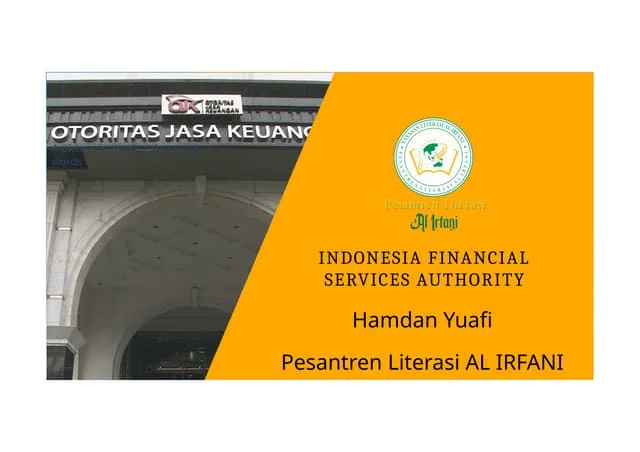
Fawzi Amr, Vice Chairman of the Indonesian Parliament's Finance Committee, announced a proposal to make the formation of a selection committee for the Financial Services Authority (OJK) and the Deposit Insurance Corporation (LPS) optional in the amendment of the Financial Sector Development and Strengthening Law (P2SK). This announcement was made during a press conference following a public meeting in Jakarta, where Amr emphasized the importance of this proposal given the current conditions that require stable leadership.
Amr explained that the proposal stemmed from a previous experience when the OJK chairman was ousted under unexpected circumstances, leading to a market need for clear and reliable leadership. He affirmed that this proposal aligns with the requirements of both the government and the parliament, as the formation of the committee could be optional based on necessity.
Details of the Proposal
During his discussion with journalists, Amr clarified that the decision regarding the formation of the committee would depend on government circumstances. However, he assured that the parliament would continue to play its role in selecting candidates through suitability and competency tests. He noted that having a selection committee is essential during normal times, as the process of selecting board members can take several months, requiring meticulous procedures.
Amr also added that the committee could be abolished in emergencies or extraordinary circumstances, allowing the president to make direct recommendations for selecting board members. He explained that this system is similar to what is practiced in Bank Indonesia, where candidates are directly proposed by the bank's governor to the president.
Background & Context
The Financial Services Authority (OJK) was established in Indonesia in 2011, with the aim of enhancing financial stability and protecting consumer rights. Since then, the authority has faced multiple challenges, including rapid market changes and political pressures. In recent years, Indonesia has witnessed significant changes in its financial structure, making the need for effective leadership more urgent.
These proposals are part of the Indonesian government's efforts to improve the financial system and enhance trust in financial institutions. The amendment of the P2SK Law is also in line with the government's vision to promote economic growth and achieve financial stability.
Impact & Consequences
If the proposal is adopted, it could lead to significant changes in how financial authorities are managed in Indonesia. This could expedite the leadership selection process during critical times, ensuring continuity in the financial market. However, this proposal may also raise concerns about transparency and accountability, as abolishing the committee could concentrate power in the hands of the government.
It is crucial to monitor these changes closely, as any shifts in the financial system could impact both investors and consumers. Mechanisms should be in place to ensure that decisions remain consistent with public interests.
Regional Significance
The financial experiences in Indonesia are particularly significant for Arab countries, many of which face similar challenges in managing their financial authorities. These proposals could serve as a model for improving transparency and efficiency in the financial sector. Additionally, enhancing financial stability in Indonesia may contribute to building trust in regional markets.
In conclusion, the proposal represents a step towards improving the management of financial authorities in Indonesia, but it must be approached cautiously to ensure that it does not negatively impact transparency and accountability.