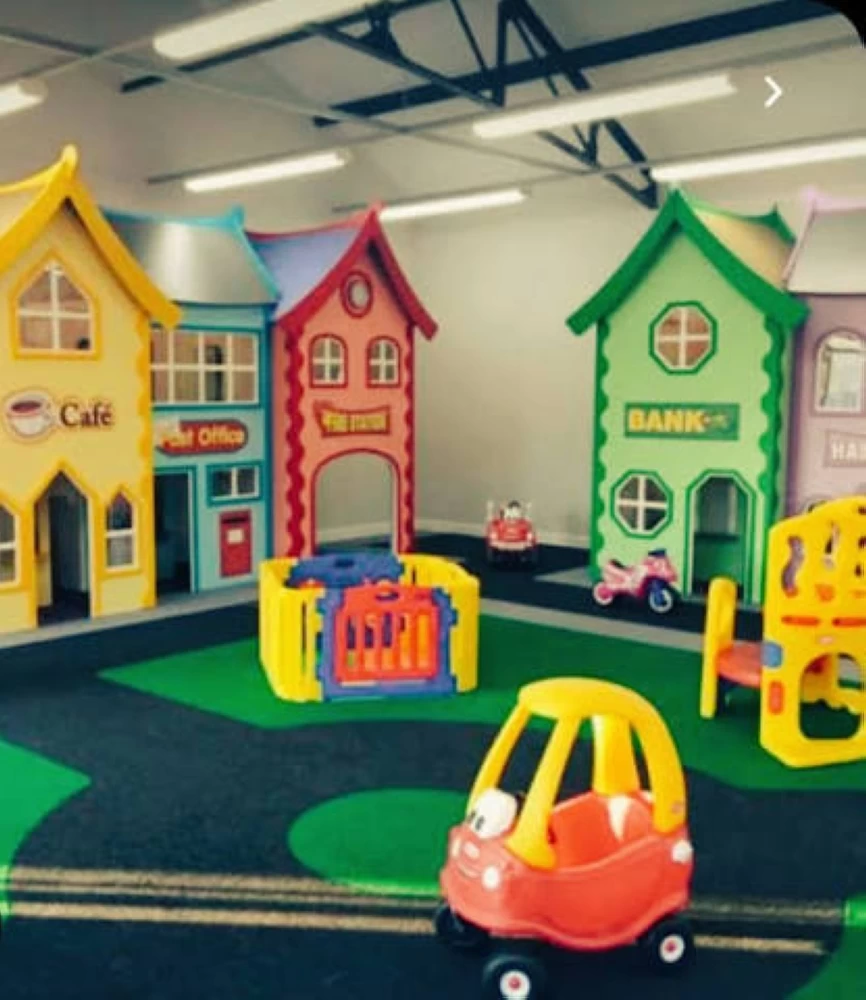
The Ministry of Human Resources and Social Development in Saudi Arabia has announced a new draft regulation for private child care centers aimed at enhancing the protection of children from abuse and neglect. This draft includes a series of strict measures, including the requirement to install continuous internal and external surveillance cameras, with recordings to be retained for no less than 30 days.
This initiative comes as part of the ministry's commitment to child protection, emphasizing the need for immediate reporting when any child is suspected of being subjected to any form of abuse or violence, whether by a person in authority over the child or others. The draft categorizes child care centers into three types: independent centers, home-based centers, and centers located within workplaces, with specified operating hours for each type.
Details of the New Regulations
Independent centers will operate from 6 AM to 9 PM, while home-based centers will extend their hours until 10 PM. The admission system has been divided into continuous and temporary care, either by the hour or by the day. The regulations emphasize providing a space of no less than two square meters for each child in the care area, reflecting the ministry's commitment to providing a safe and healthy environment for children.
Additionally, the draft stipulates that the center director and child care staff must be Saudi nationals, enhancing job opportunities for women in this sector. The proposed regulations also allow for the admission of children with mild disabilities, provided that a medical report confirms their suitability for integration and that an environment equipped with accessibility features is provided.
Background & Context
These measures come at a time when Saudi Arabia is witnessing increased attention to children's rights issues, as the government seeks to improve the quality of services provided in child care centers. These regulations represent an important step towards enhancing safety in these centers, especially amid growing concerns over cases of abuse and neglect.
Historically, child care centers have suffered from a lack of oversight and supervision, leading to unfortunate cases of abuse. Therefore, these new regulations signify a radical shift in how these centers are managed and underscore the importance of prioritizing child protection.
Impact & Consequences
These regulations are expected to improve the level of safety in child care centers, thereby enhancing parents' trust in these facilities. The installation of surveillance cameras will contribute to reducing instances of abuse, as there will be continuous monitoring of activities within the centers.
Moreover, the commitment to Islamic values and principles in managing these centers reflects the overall direction of the Kingdom towards enhancing cultural and religious identity in all aspects of life, including child care.
Regional Significance
This step serves as a model for the Arab region, where many countries struggle with weak protection of children's rights. This initiative may encourage other countries to adopt similar policies to enhance safety in child care centers, contributing to improved living conditions for children throughout the region.
In conclusion, these new regulations represent a positive step towards improving the quality of care provided to children in child care centers and reflect the Kingdom's commitment to protecting children's rights and ensuring their safety.