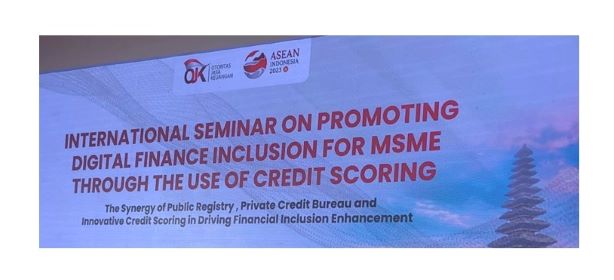
Members of the Indonesian Parliament's Finance Committee (DPR RI) have disclosed a proposal to abolish the fees imposed by the Financial Services Authority (OJK) on the financial services sector. This was announced during a committee meeting held in Jakarta on Monday, where the committee's deputy chairman, Fauzi Amro, noted that the proposal is still under discussion and no final decision has been made.
The committee aims to gather diverse opinions from stakeholders, including the Financial Services Authority, the Indonesian Central Bank (BI), the Deposit Insurance Corporation (LPS), as well as experts in the financial sector. Fauzi explained that the separation of OJK from BI under the OJK Law of 2011 aimed to enhance oversight and ensure the authority's independence.
Details of the Proposal
Fauzi Amro pointed out that imposing fees on the financial services sector could lead to conflicts of interest, necessitating a reconsideration of OJK's funding sources. In this context, it has been proposed that the authority be funded by the financial surpluses of the central bank and the Deposit Insurance Corporation, rather than relying on fees imposed on the sector.
However, Fauzi acknowledged that this proposal could raise new issues, especially if there is a desire from other sectors for similar treatment, which could complicate the management of the government's public finances. Nevertheless, funding OJK from financial surpluses could enhance its independence and reduce its reliance on the financial sector.
Background & Context
The Financial Services Authority (OJK) was established in Indonesia in 2011 as part of the government's efforts to strengthen oversight of the financial sector. The authority aimed to improve transparency and stability in the financial market, but the fees imposed on financial institutions have sparked debates about their impact on the authority's independence.
In recent years, Indonesia has witnessed significant developments in the financial sector, increasing the need for an effective oversight system. However, the discussion regarding how to finance this authority remains a sensitive topic that requires a balance between independence and sustainable funding.
Impact & Consequences
If the proposal to abolish the fees is implemented, it could lead to significant changes in how the Financial Services Authority operates. This may enhance investor confidence in the financial sector, but it is also essential to consider how to ensure sustainable funding for the authority.
Moreover, this proposal could open the door for broader discussions on how to finance government agencies in general, which may affect financial policies in Indonesia. It is crucial that any changes are carefully crafted to ensure they do not negatively impact the authority's functions.
Regional Significance
Indonesia's experience in restructuring the funding of regulatory bodies serves as a model that many Arab countries facing similar challenges in managing the financial sector could benefit from. These experiences may contribute to enhancing independence and transparency in the financial sector, thereby boosting confidence in financial markets.
Ultimately, it remains essential for governments to balance the need for funding regulatory bodies with their independence to ensure sustainable economic growth.