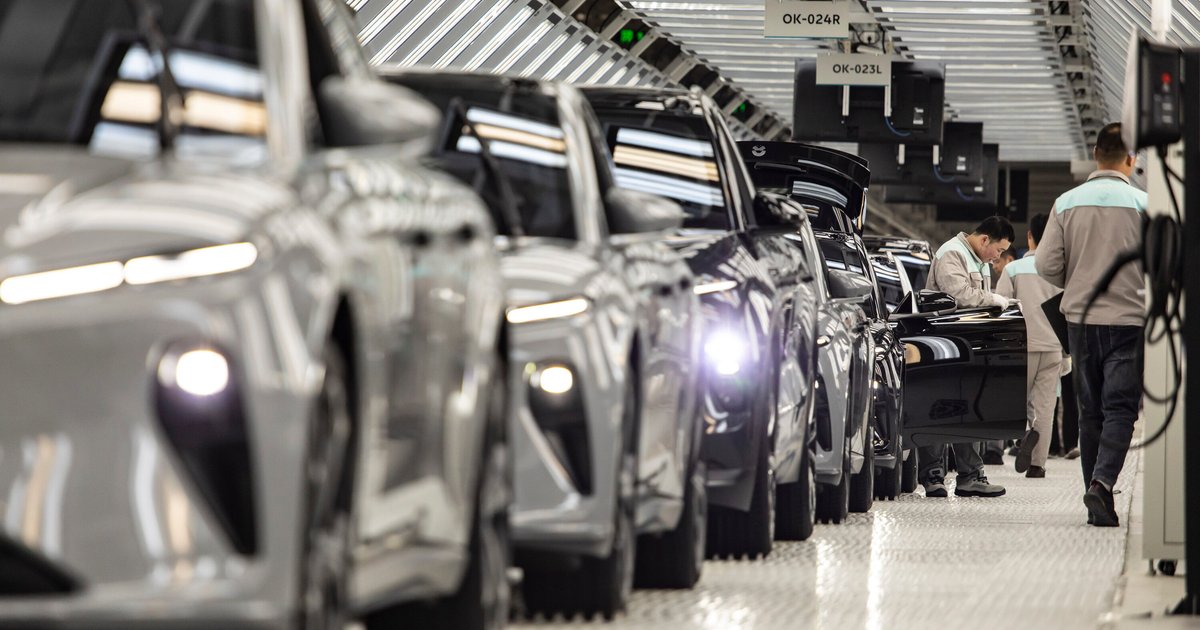
A Republican senator has revealed a proposal to expand the ban on Chinese cars in the United States, reflecting rising trade tensions between Washington and Beijing. This proposal comes at a sensitive time as concerns grow over economic dependency on China and its impact on American industries.
The proposal aims to protect domestic industry and boost American production, as the senator seeks to impose additional restrictions on the import of cars from China. This move comes amid increasing competition between American companies and their Chinese counterparts, raising concerns among policymakers in the United States.
Details of the Proposal
The senator's plan includes expanding the ban to cover new types of vehicles, including electric cars produced by Chinese companies. This proposal is considered part of a broader strategy aimed at reducing reliance on Chinese products and enhancing national economic security.
In recent years, trade relations between the United States and China have seen increasing tension, with Washington imposing tariffs on a wide range of Chinese goods. This proposal is viewed as a new step in this direction, reflecting growing concerns about China's influence on the American market.
Background & Context
Historically, U.S.-China relations have experienced numerous fluctuations, with periods of cooperation and periods of tension. In recent years, concerns have escalated regarding unfair trade practices by China, prompting the United States to take stringent actions against it.
The automotive industry is one of the vital sectors in the American economy, providing millions of jobs. As competition from Chinese companies increases, many policymakers feel the need to take action to protect the domestic industry.
Impact & Consequences
Expanding the ban on Chinese cars could have significant effects on the American market. On one hand, it may help bolster domestic industry and increase job opportunities. On the other hand, it could lead to higher prices for American consumers due to reduced available options.
This proposal may also escalate tensions between the United States and China, potentially impacting economic and political relations between the two countries. If this ban is implemented, China may respond with similar measures, intensifying the trade dispute.
Regional Significance
The U.S.-China relations are of great importance to the Arab region, as China plays an increasingly significant role in investment and infrastructure in Arab countries. Any escalation in tensions between the United States and China could affect Chinese investments in the region, negatively impacting developmental projects.
Furthermore, these tensions could influence oil prices and commodity markets, impacting Arab economies that heavily rely on oil exports.
In conclusion, the proposal to expand the ban on Chinese cars appears to be part of a broader strategy aimed at protecting American industry, but it carries significant risks for international relations and the global economy.