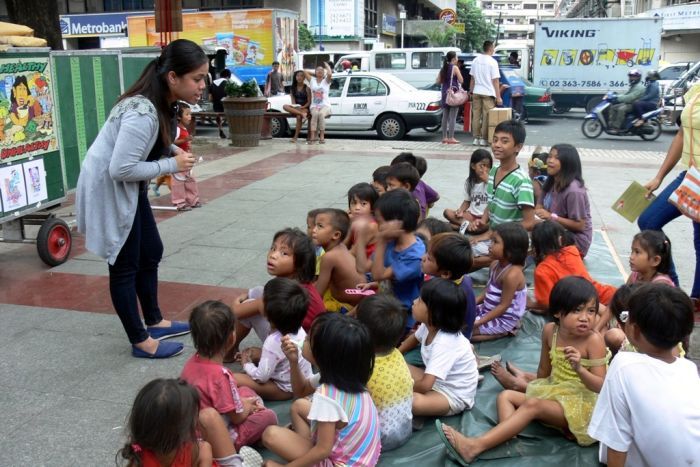
The government of Bengkulu, located in Indonesia, has proposed to include homeless and street children in a public education program, aiming to provide them with essential education and care. This initiative is part of the government's efforts to enhance the living conditions of these children, who often lack adequate educational opportunities.
Afrienita, the head of the city's social affairs department, confirmed that the government is prepared to offer support and care for homeless children through available programs. She emphasized that the goal is to empower these children to achieve a better life away from the streets, where they can access necessary education and social services.
Details of the Initiative
The government aims to intensify its efforts to educate the community about the importance of not providing direct assistance to homeless children, as this could lead to dependency rather than empowerment. Afrienita noted the urgent need to implement local laws addressing issues related to homeless and street children through awareness campaigns and field inspections to gather information about these children.
She also affirmed that the government will work to enhance public education programs, which aim to provide a suitable educational environment for children living on the streets. This proposal is part of ongoing efforts to reduce homelessness and improve the living conditions of children in the city.
Background & Context
The phenomenon of homeless and street children is a complex social issue faced by many countries, including Indonesia. Historically, governments have encountered significant challenges in addressing this phenomenon, which requires comprehensive solutions that include education and social care.
In recent years, many cities in Indonesia have begun taking serious steps to tackle this issue by developing educational and social programs aimed at integrating homeless children into society. The public education program in Bengkulu is part of these efforts, seeking to provide educational opportunities for children who lack support.
Impact & Consequences
This proposal could have a significant impact on the lives of homeless children in Bengkulu, as it will provide them with the opportunity to receive the necessary education and care. By integrating them into public education programs, their quality of life could improve dramatically, reducing the likelihood of their return to the streets.
Moreover, this step may encourage other communities to take similar actions to address the issues of homeless children. If the government successfully implements this program, it could become a model for other regions in Indonesia and neighboring countries.
Regional Significance
The issues of homeless and street children are global concerns that affect many countries, including those in the Arab world. Many Arab cities face similar challenges, where children live in difficult conditions and require support and care.
Bengkulu's experience in addressing this issue could serve as an inspiration for Arab countries, where similar educational and social programs could be adopted to improve the living conditions of homeless children. Through collaboration between governments and local communities, significant progress can be made in this area.
In conclusion, the proposal to include homeless children in the public education program in Bengkulu represents a positive step towards addressing the issues faced by street children. If this program is successfully implemented, it could bring about real change in the lives of these children and enhance community efforts to improve their conditions.