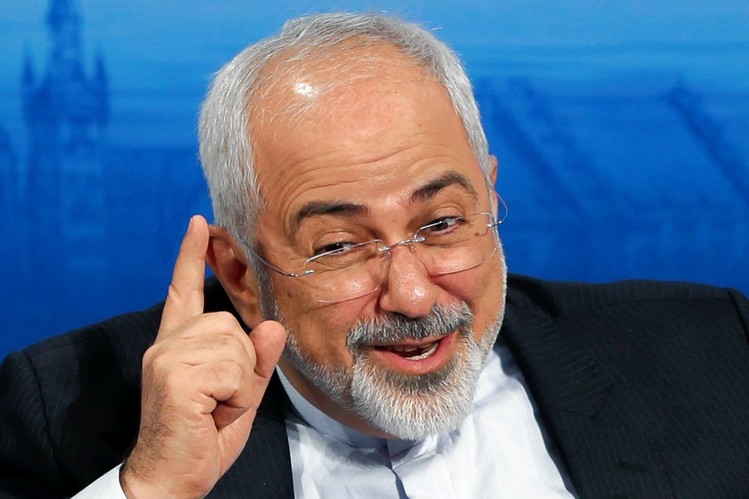
Former Iranian Foreign Minister Javad Zarif has revealed his vision for ending the Iranian conflict, emphasizing the importance of a 'victory declaration' and a 'comprehensive settlement' with the United States. These remarks come at a sensitive time marked by rising tensions in the region, particularly following the United States' withdrawal from the nuclear agreement in 2018.
Zarif, who was one of the key architects of Iranian foreign policy during Hassan Rouhani's presidency, indicated that achieving peace requires a comprehensive agreement with Washington that extends beyond nuclear issues to include regional matters as well. He affirmed that Iran is ready for dialogue but will not compromise on its fundamental rights.
Details of the Proposal
In his remarks, Zarif stressed that the 'victory declaration' should serve as a starting point for a comprehensive settlement, involving a commitment from all parties to sit at the negotiating table. He clarified that Iran does not seek war but desires lasting stability in the region, which necessitates international cooperation.
He also pointed out that the current circumstances require the United States to reconsider its policies towards Iran, especially after the past years have shown that sanctions have not yielded the desired results. Instead, Zarif called for building trust through tangible steps, such as easing sanctions.
Background & Context
Historically, Iranian-American relations have experienced significant fluctuations, with periods of cooperation and others of tension. Following the Iranian Revolution in 1979, diplomatic relations between the two countries were severed, and the conflict intensified after U.S. military interventions in the region.
In recent years, discussions have focused on Iran's nuclear program, with the United States asserting that Iran seeks to develop nuclear weapons, while Tehran insists that its program is peaceful. These disagreements have led to harsh economic sanctions on Iran, significantly impacting its economy.
Impact & Consequences
Zarif's statements come at a critical time, as pressures on Iran from the international community are increasing. If a 'comprehensive settlement' is reached, it could have a positive impact on regional stability and lead to a de-escalation of tensions between Iran and Gulf countries.
On the other hand, Iran may face internal challenges, as any agreement with Washington could require concessions that may not be accepted by all political factions within the country. Therefore, the success of this vision depends on the Iranian government's ability to manage these challenges.
Regional Significance
If a 'victory declaration' is achieved and Iran reaches a settlement with the United States, it could positively reflect on neighboring Arab countries, as military tensions would likely decrease. Additionally, Iran's stability could contribute to enhancing regional security and improving relations between Tehran and Gulf states.
Ultimately, these statements remain just the beginning of discussions that may be lengthy and complex, but the hope for achieving peace and stability in the region remains alive.