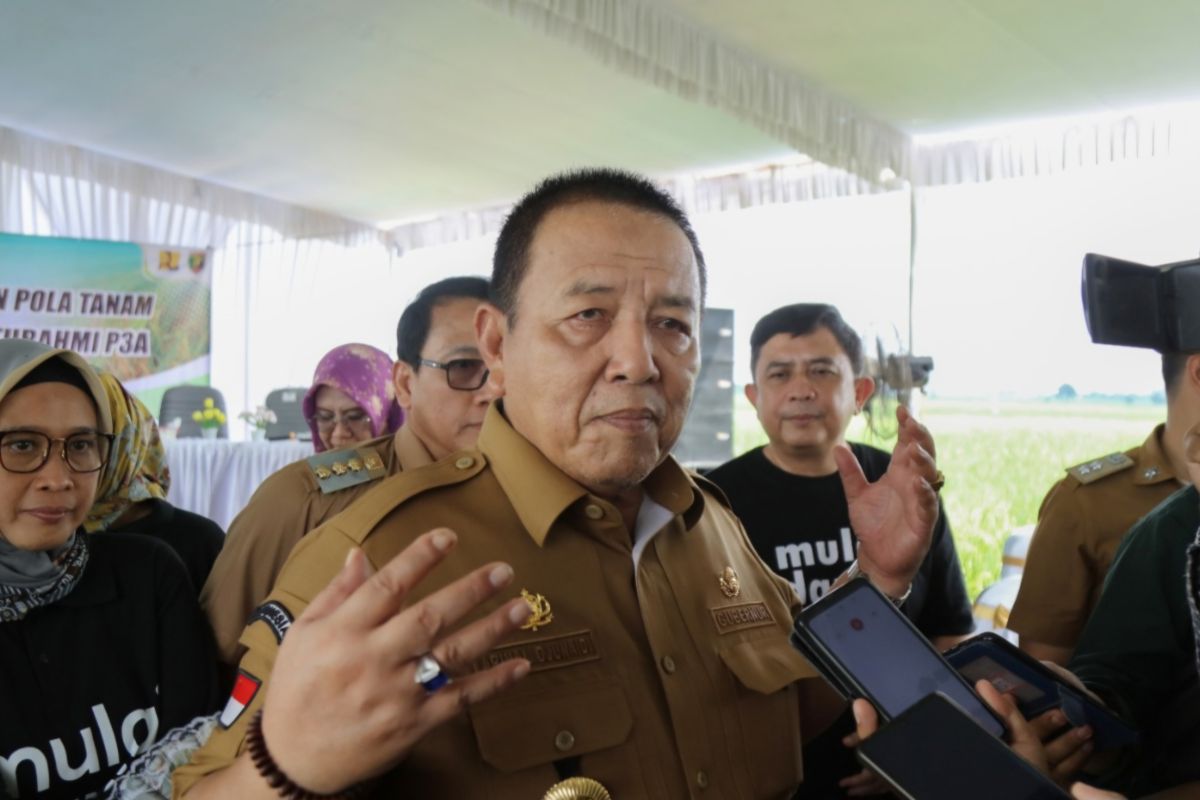
In a significant development, the Lampung Prosecutor's Office has announced charges of corruption against former Lampung governor Arenal Djunidi. The case involves the management of a 10% share of funds in an oil project valued at $17,286,000. This announcement was made during a press conference held in Bandar Lampung, where Attorney General Dana Suri Wibyo confirmed that investigations had yielded sufficient evidence to proceed with the charges.
The case pertains to the management of shared funds that should have been allocated to state-owned enterprises, as this amount is part of the oil and gas revenues in the South Sumatra region. The Attorney General explained that there is ample evidence, including documents and testimonies, supporting the allegations.
Details of the Case
Arenal Djunidi was summoned by the prosecutor's office and was detained in Way Hui Prison for twenty days. He has been charged under several legal provisions related to anti-corruption, reflecting the seriousness with which Indonesian authorities are addressing corruption cases.
Additionally, it was revealed that the prosecutor's office had previously searched Djunidi's home, seizing assets estimated at around 38 billion rupiah, complicating the case and indicating significant financial irregularities.
Background & Context
Historically, Indonesia has witnessed numerous corruption cases involving prominent government officials, leading to a loss of trust in governmental institutions. The case of Arenal Djunidi is part of the Indonesian government's efforts to combat corruption and enhance transparency in public resource management.
The Lampung Prosecutor's Office was established as part of these efforts, aiming to achieve justice and accountability. This case may represent a turning point in how the government addresses corruption issues, especially amid increasing pressure from civil society.
Impact & Consequences
This case could have far-reaching implications for the political landscape in Indonesia, potentially affecting upcoming elections and increasing pressure on the current government. Furthermore, it may encourage more citizens to report corruption and misconduct, fostering a culture of transparency and accountability.
Moreover, this case could impact foreign investments in Indonesia, as foreign companies require a stable and transparent legal environment. Therefore, effectively addressing corruption issues could enhance investor confidence in the Indonesian market.
Regional Significance
This corruption case serves as an example of the challenges faced by many countries in the Arab region as well, where numerous governments struggle with corruption issues that affect development and stability. This case could inspire Arab nations to bolster their efforts in combating corruption and enhancing transparency.
Ultimately, the case of Arenal Djunidi represents an opportunity to reconsider how public resources are managed and to strengthen accountability in governments, both in Indonesia and in Arab countries.